Bladder vs Kidney: Complete Guide to Understanding the Differences
The urinary system is a remarkable network of organs that work together to filter blood, remove waste, and maintain fluid balance in our bodies. At the heart of this system are two vital organs: the bladder and kidneys. While both play crucial roles in the processing and elimination of urine, they serve distinctly different functions and have unique anatomical features. Understanding these differences is essential for comprehending how our bodies manage waste and maintain proper fluid balance.
In this comprehensive guide, we'll explore the key differences between the bladder and kidneys, examining their structures, functions, locations, and how they work together to keep us healthy. Whether you're a student studying anatomy, someone dealing with urinary health issues, or simply curious about how your body works, this article will provide valuable insights into these essential organs.
Understanding the Bladder: Structure and Function
The bladder is a hollow, muscular organ that resembles a balloon when filled. Located in the pelvic cavity, it sits superior to the reproductive structures and anterior to the rectum. In females, the bladder shares limited space with the uterus in the pelvic cavity. This remarkable organ serves as your body's temporary storage tank for urine before it's expelled through urination.
When empty, the bladder resembles a pear in both size and shape. The inner surface features tiny wrinkles called rugae, which expand as the bladder fills with urine. These rugae allow the bladder to expand significantly, increasing its capacity from about 50ml when empty to approximately 500ml when full. Have you ever wondered how your body knows when it's time to urinate? Special stretch receptors in the bladder wall send signals to your brain when the bladder becomes too full.
The bladder wall consists of three main layers that work in harmony to perform its function. The innermost layer is a mucosal layer lined with transitional epithelium—a specialized tissue that can stretch without tearing. This unique lining provides a waterproof barrier that prevents urine from being reabsorbed into the body. Surrounding this is a submucosal tissue layer containing blood vessels and nervous tissue. The outermost layer consists of visceral muscles (detrusor muscles) that contract during urination to expel urine from the body.
Two ureters connect to the inferior and posterior walls of the bladder, bringing urine from the kidneys. At the inferior end of the bladder, the urethra begins—the tube through which urine passes to exit the body. In females, the urethra is quite short (about 4cm), while in males it's longer (about 20cm) and passes through the prostate gland and penis.
Exploring the Kidneys: Anatomy and Functions
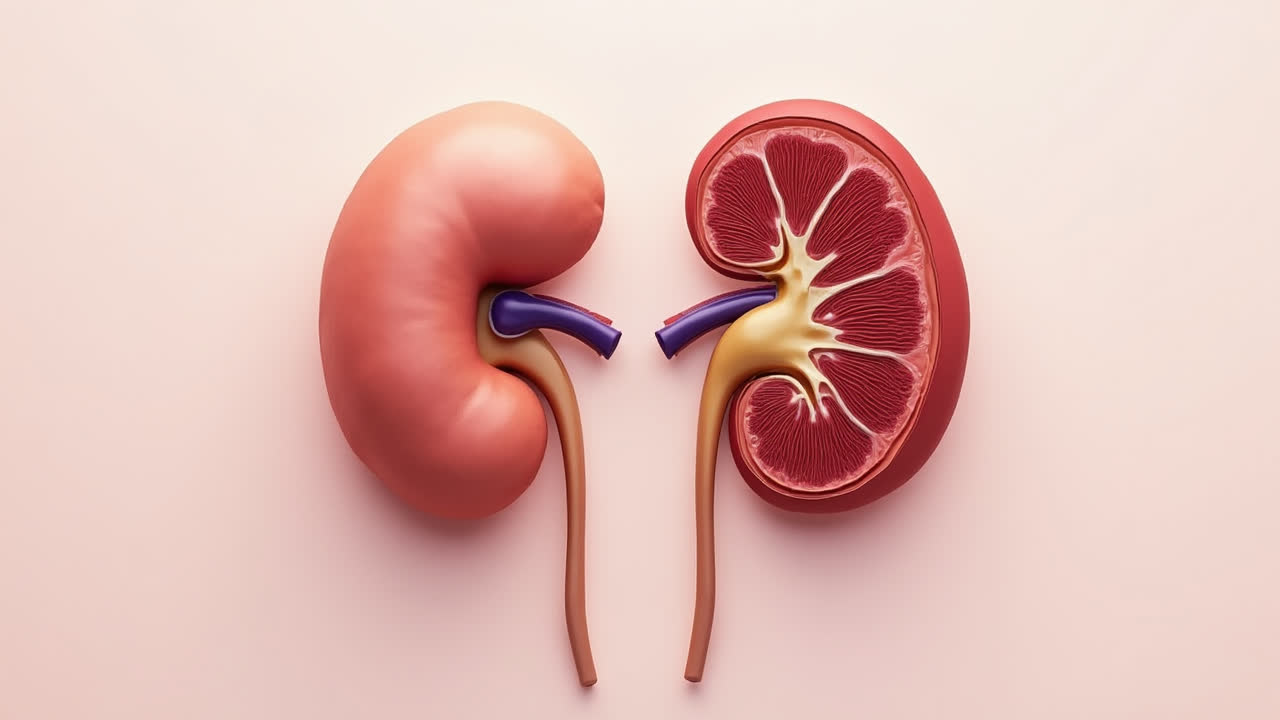
The kidneys are bean-shaped organs located along the posterior muscular wall of the abdominal cavity behind the peritoneum. Most people have two kidneys, one on each side of the spine, just below the rib cage. Each kidney is about the size of a fist and weighs around 150 grams in adults. The left kidney typically sits slightly higher than the right due to the space occupied by the liver on the right side of the body.
Unlike the bladder, which is primarily a storage organ, the kidneys are complex filtering factories. They process approximately 180 liters of blood daily, extracting waste products and excess fluid that eventually become urine. Isn't it amazing that these relatively small organs filter your entire blood volume about 60 times every day? The kidneys also play a crucial role in maintaining the proper balance of water, salts, and minerals in your bloodstream—a delicate equilibrium that's essential for life.
Anatomically, the kidney consists of three distinct zones: the renal capsule (the outer protective layer), the renal cortex (the outer functional region), and the renal medulla (the inner region). The renal medulla contains about seven renal pyramids whose bases face toward the renal cortex and apexes face toward the center of the kidney. Each apex connects to a minor calyx, which opens to the renal pelvis—the funnel-like beginning of the ureter.
The functional unit of the kidney is the nephron—a microscopic structure responsible for filtering blood. A single kidney contains approximately one million nephrons! Each nephron consists of a renal corpuscle and a renal tubule. The renal corpuscle includes the Bowman's capsule and the glomerulus (a network of capillaries), where blood filtration begins. The filtered fluid then passes through various segments of the renal tubule, where essential substances are reabsorbed into the bloodstream and waste products are secreted into the tubule for elimination.
Beyond waste elimination, the kidneys serve as endocrine organs, producing important hormones. They produce calcitriol (the active form of vitamin D), which increases calcium absorption in the intestines, and erythropoietin, which stimulates the bone marrow to produce red blood cells. Additionally, the kidneys play a critical role in regulating blood pressure through the renin-angiotensin-aldosterone system.
Bladder vs Kidney: Key Differences Compared
| Comparison Point | Bladder | Kidney |
|---|---|---|
| Definition | A muscular membranous sac that receives and stores urine until urination | An organ in the abdominal cavity that filters blood and produces urine |
| Primary Function | Storage of urine prior to elimination | Filtration of blood, removal of waste, and regulation of fluid balance |
| Location | Pelvic cavity, inferior to the peritoneum | Posterior abdominal wall behind the peritoneum, below the rib cage |
| Number in Body | One | Two (typically) |
| Shape | Spherical/pear-shaped when empty, expands when filled | Bean-shaped |
| Structural Layers | Transitional epithelium, submucosal layer, muscular tissue layer | Renal capsule, renal cortex, renal medulla |
| Functional Unit | No distinct functional unit | Nephron |
| Hormone Production | None | Produces erythropoietin and calcitriol |
How the Bladder and Kidneys Work Together
The bladder and kidneys work in tandem as part of the urinary system, along with the ureters and urethra. This collaborative system ensures that waste products and excess fluid are efficiently removed from the body. The process begins with the kidneys, which filter the blood to remove waste products and excess water, creating urine in the process. This filtration happens continuously, with your kidneys producing approximately 1-2 liters of urine per day.
Once produced by the kidneys, urine travels down the ureters—thin tubes about 25-30cm long—and into the bladder. Interestingly, the ureters don't simply connect to the bladder; they actually tunnel through the bladder wall and enter at an angle. This clever anatomical design creates a one-way valve effect that prevents urine from flowing back up to the kidneys when the bladder contracts during urination, protecting the kidneys from potentially harmful bacterial infections.
The bladder gradually fills with urine throughout the day. As it fills, stretch receptors in the bladder wall sense the increasing pressure and send signals to the brain. Initially, these signals are suppressed by the brain, but as the bladder continues to fill, the urge to urinate becomes stronger and eventually cannot be ignored. When you decide to urinate, your brain sends signals that cause the detrusor muscles in the bladder wall to contract while simultaneously relaxing the internal urethral sphincter and the external urethral sphincter (which is under voluntary control). This coordinated action allows urine to flow from the bladder through the urethra and out of the body.
This intricate relationship between the kidneys and bladder highlights the remarkable efficiency of the human body. The kidneys work continuously to filter blood and produce urine, while the bladder provides convenient storage that allows us to urinate at socially appropriate times rather than constantly. Any disruption to this relationship—whether from infection, obstruction, or disease—can lead to significant health problems, underscoring the importance of maintaining urinary system health.
Common Health Issues Affecting the Bladder and Kidneys
Both the bladder and kidneys can be affected by various health issues, though the specific conditions and their implications differ significantly. Bladder health problems typically revolve around storage and emptying functions, while kidney issues often impact filtration efficiency and waste removal. Understanding these differences can help in early recognition of potential problems.
Common bladder conditions include urinary tract infections (UTIs), which affect the bladder lining and can cause frequent, painful urination. Interstitial cystitis is a chronic condition causing bladder pressure and pain. Overactive bladder syndrome leads to sudden urges to urinate and can result in urinary incontinence. Bladder stones form when minerals in concentrated urine crystallize, potentially causing blockages. In more serious cases, bladder cancer may develop, particularly among smokers and those exposed to certain industrial chemicals.
Kidney health concerns are often more serious due to these organs' vital filtration role. Kidney stones are hard deposits of minerals and salts that can form inside the kidneys, causing severe pain when they pass through the urinary tract. Pyelonephritis (kidney infection) typically results from bacteria spreading from the bladder to one or both kidneys. Chronic kidney disease involves the gradual loss of kidney function over time, often due to conditions like diabetes or high blood pressure. Polycystic kidney disease is a genetic disorder causing numerous cysts to grow in the kidneys, potentially leading to kidney failure.
Maintaining bladder and kidney health involves similar preventive measures: staying well-hydrated, urinating when needed rather than holding, practicing good hygiene, and avoiding smoking. Regular check-ups can help detect potential issues early, particularly for those with risk factors like family history of kidney disease, diabetes, or high blood pressure. Diet also plays a role—limiting salt intake helps kidney function, while avoiding bladder irritants like caffeine and alcohol can reduce bladder irritation for sensitive individuals.
Frequently Asked Questions About Bladder and Kidney
How can I maintain good bladder and kidney health?
Maintaining good bladder and kidney health involves several lifestyle practices. First, stay well-hydrated by drinking plenty of water (typically 6-8 glasses daily). Don't habitually delay urination when you feel the urge. Maintain a balanced diet low in sodium and processed foods. Limit alcohol and caffeine consumption, as these can irritate the bladder. Exercise regularly to improve overall circulation. Practice good hygiene, especially for women, by wiping from front to back. Avoid smoking, which increases the risk of bladder cancer. Finally, attend regular check-ups, especially if you have risk factors like diabetes or high blood pressure, and seek prompt medical attention for symptoms like painful urination, blood in urine, or flank pain.
What are the main symptoms of bladder problems versus kidney problems?
Bladder problems typically manifest as changes in urination patterns. Symptoms include frequent urination, urgency (sudden, strong urges to urinate), painful or burning sensation during urination, cloudy or strong-smelling urine, difficulty starting or maintaining urination, and urinary incontinence. You might also experience lower abdominal discomfort or pressure.
Kidney problems often present with different and sometimes more severe symptoms. These can include flank pain (pain in the side and back below the ribs), high fever with chills, nausea and vomiting, changes in urine color (dark, bloody, or tea-colored), swelling in the legs, ankles, or around the eyes, fatigue, shortness of breath, and persistent itching. Kidney issues may also cause high blood pressure that's difficult to control. If you experience these symptoms, especially flank pain with fever, seek medical attention promptly as kidney infections can become serious quickly.
Can you live with only one kidney, and how does that affect bladder function?
Yes, you can live a normal, healthy life with just one kidney. The human body is designed with significant reserve capacity—a single kidney can adjust to filter blood at a rate of 70-80% of what two kidneys would do together. This remarkable adaptation occurs through a process called compensatory hypertrophy, where the remaining kidney actually grows larger to handle the increased workload.
Living with one kidney generally does not directly affect bladder function. The bladder will continue to receive and store urine as it normally would, regardless of whether that urine comes from one kidney or two. The volume of urine production typically remains within normal range even with a single kidney. However, individuals with one kidney are often advised to take certain precautions, such as staying well-hydrated, avoiding high-contact sports that could injure the remaining kidney, getting regular blood pressure checks, and having kidney function tests periodically. These precautions are aimed at protecting kidney health rather than addressing bladder function specifically.
Conclusion
The bladder and kidneys represent two essential components of the urinary system, each with distinctive structures, locations, and functions. While the kidneys serve as sophisticated filtration units that cleanse the blood of waste products and regulate fluid balance, the bladder functions primarily as a temporary storage reservoir for urine prior to elimination. This division of labor allows for efficient waste management and contributes significantly to overall health and wellbeing.
Understanding the differences between these organs provides valuable insights into how our bodies maintain homeostasis and eliminate waste. The kidneys' complex internal architecture, featuring millions of nephrons, enables them to perform their critical filtration role continuously. Meanwhile, the bladder's expandable design and muscular composition allow it to accommodate varying volumes of urine and expel it when appropriate.
As we've explored, issues affecting either organ can have significant health implications, though the specific conditions and their manifestations differ substantially. By maintaining awareness of bladder and kidney health, staying properly hydrated, and seeking prompt medical attention for concerning symptoms, we can help ensure these vital organs continue to function optimally throughout our lives.
References:
- http://www.innerbody.com/image_dige05/dige15.html
- http://www.niddk.nih.gov/health-information/kidney-disease/kidneys-how
- http://cnx.org/content/col11496/1.6/
- https://commons.wikimedia.org/w/index.php?curid=30148530
- https://commons.wikimedia.org/w/index.php?curid=31118599
- https://commons.wikimedia.org/w/index.php?curid=60402226