Block vs Graft Copolymer: Understanding Key Structural Differences
Block vs Graft Copolymer: Understanding Key Structural Differences
When it comes to polymer science, block copolymers and graft copolymers stand as two of the most important structural types in macromolecular chemistry. These sophisticated materials play crucial roles in countless applications, from medical devices to automotive parts. But what exactly sets them apart?
What Makes Copolymers Unique?
Unlike simple homopolymers that consist of just one repeating unit, copolymers combine two or more different monomers into a single polymer chain. This combination creates materials with properties that can be tailored for specific applications. Think of it like creating a recipe - you're mixing ingredients to get the exact taste you want, but in this case, we're mixing monomers to achieve desired material properties.
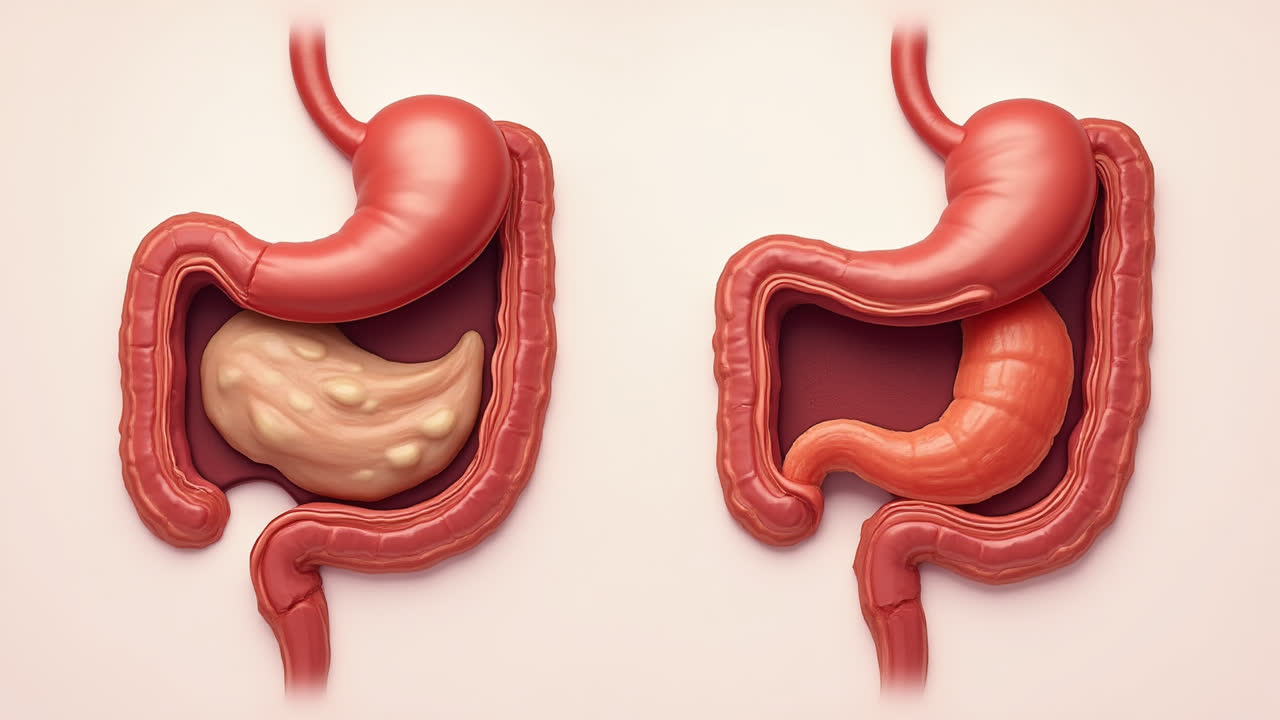
Both block and graft copolymers fall under this category, but their structural arrangements couldn't be more different. It's rather like comparing a neatly organized library where books are arranged in distinct sections (block copolymers) to a tree with branches sprouting at various points along the trunk (graft copolymers).
Block Copolymers: The Linear Arrangement
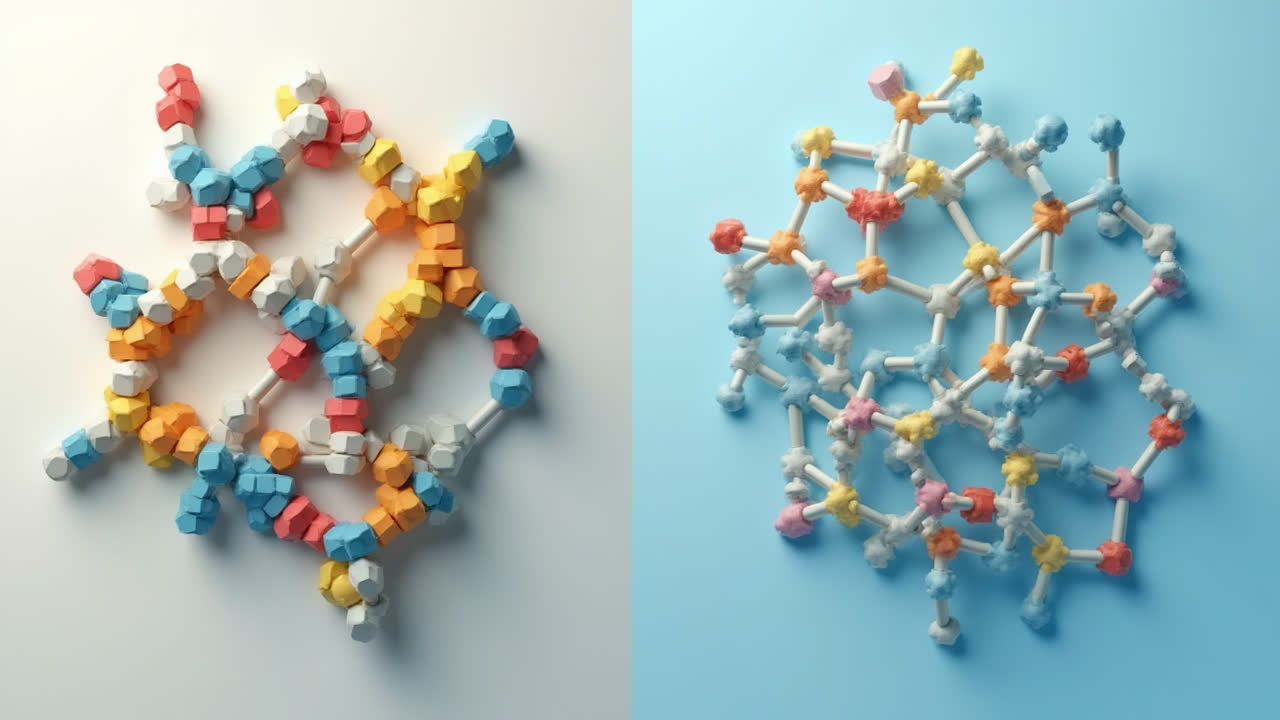
Imagine a train where each car is painted a different color - that's essentially how block copolymers work. These macromolecules consist of distinct segments or "blocks" of homopolymer units linked together in a linear fashion. Each block contains many repeating units of the same monomer, and these blocks are connected through covalent bonds.
The beauty of block copolymers lies in their simplicity and versatility. A common example is polystyrene-b-poly(methyl methacrylate), often abbreviated as PS-b-PMMA. Picture this: you start with a string of styrene units, and then seamlessly attach a string of methyl methacrylate units. This creates a material that combines the rigidity of polystyrene with the processing advantages of PMMA.
These materials are synthesized using sophisticated techniques like living polymerization, which gives chemists precise control over the molecular weight and sequence. It's almost like having a master chef who can control exactly how much of each ingredient goes into the dish!
Graft Copolymers: The Branched Architecture
Now, let's talk about graft copolymers - the rebels of the polymer world. Unlike their orderly block counterparts, graft copolymers have a main chain (usually made of one type of monomer) with side chains or "branches" made of different monomers. It's like a tree where the trunk is one material and the branches are another.
These structures are created through a process where one type of polymer is used as the backbone, and then different polymer chains are attached at various points along this backbone. The process can sometimes feel like performing molecular acrobatics - you're essentially attaching completely different polymer chains to an existing structure!
A classic application involves grafting polystyrene onto polybutadiene rubber. This creates high-impact polystyrene (HIPS), which you've probably encountered in everything from plastic utensils to electronics casings. The rubbery grafts make the material much less brittle than regular polystyrene - it's the difference between dropping a crystal glass and dropping a plastic cup!
Key Structural Differences
The fundamental distinction between block and graft copolymers lies in their architecture. Block copolymers maintain a linear, sequential arrangement where different polymer segments follow one another in a chain. In contrast, graft copolymers feature a branched structure where side chains project from a main backbone.
This structural difference profoundly affects their properties and applications. Block copolymers often exhibit phase separation, creating distinct domains that can lead to unique mechanical properties. Graft copolymers, on the other hand, tend to create more complex morphologies due to their three-dimensional architecture.
Synthesis Approaches: Different Paths to Different Structures
The synthesis methods for these copolymers are as different as their structures. Block copolymers typically require living polymerization techniques - methods that maintain reactive chain ends throughout the polymerization process. Think of it as keeping a door open in the polymer chain so you can add another block later.
Graft copolymers, however, can be made through various methods including free-radical polymerization. The most common approach is "grafting onto" where preformed polymer chains are attached to a backbone, or "grafting from" where the side chains are grown directly from sites on the main chain. Both approaches have their merits, depending on what you're trying to achieve.
Applications: Where Each Type Shines
Both types of copolymers find extensive use in industry, but their applications often differ due to their structural characteristics. Block copolymers excel in applications requiring ordered structures, such as nanolithography templates and drug delivery vehicles. Their well-defined domains make them perfect for creating materials with specific transport properties.
Graft copolymers, with their branched architecture, are particularly valuable in applications requiring toughness and impact resistance. They're often used in toughening brittle plastics and creating materials with controlled surface properties. Have you ever wondered why some plastic products feel softer to the touch? There's likely a graft copolymer in there doing its job!
Comparison Table: Block vs Graft Copolymers
| Characteristic | Block Copolymers | Graft Copolymers |
|---|---|---|
| Structure | Linear arrangement of distinct blocks | Main chain with side chains (branched) |
| Main Chain | Formed from one type of monomer block | Can be homopolymer or copolymer |
| Branches | No branches (linear only) | Side chains branching from main chain |
| Synthesis | Requires living polymerization techniques | Free-radical polymerization or other methods |
| Phase Behavior | Often exhibits phase separation | More complex morphologies |
| Applications | Nanolithography, drug delivery, films | Impact modification, surface properties |
| Property Control | Sequential property combination | Main chain + side chain property blend |
| Processing | Often requires specific temperature control | Generally more flexible processing |
Looking to the Future
As material science continues to evolve, both block and graft copolymers are finding new applications. From biomedical devices that require precise property control to packaging materials that need to balance flexibility with strength, these copolymers are shaping the future of materials.
What's particularly exciting is the development of hybrid structures - imagine combining block and graft architectures in a single polymer! This could potentially create materials with unprecedented property combinations. The field is ripe with possibilities, and as synthesis techniques become more sophisticated, we're likely to see even more innovative applications emerge.
Frequently Asked Questions
What is the main structural difference between block and graft copolymers?
Block copolymers have a linear architecture where different polymer blocks are arranged sequentially, while graft copolymers feature a main chain with side chains (branches) that are structurally different from the main chain. It's like comparing a straight line with segments to a tree with branches.
Which type of copolymer is better for impact modification?
Graft copolymers are generally better for impact modification applications. Their branched structure allows for better energy absorption and toughness improvement. This is why they're commonly used in products like high-impact polystyrene (HIPS), which is much less brittle than regular polystyrene.
Can block and graft copolymers be combined in one material?
Yes, it's possible to create hybrid structures that combine both block and graft architectures. For example, you could have a block copolymer with additional grafted side chains or a graft copolymer where the side chains themselves are block copolymers. These hybrid materials are an active area of research and can offer unique property combinations.