College vs High School: Key Differences That Shape Your Educational Journey
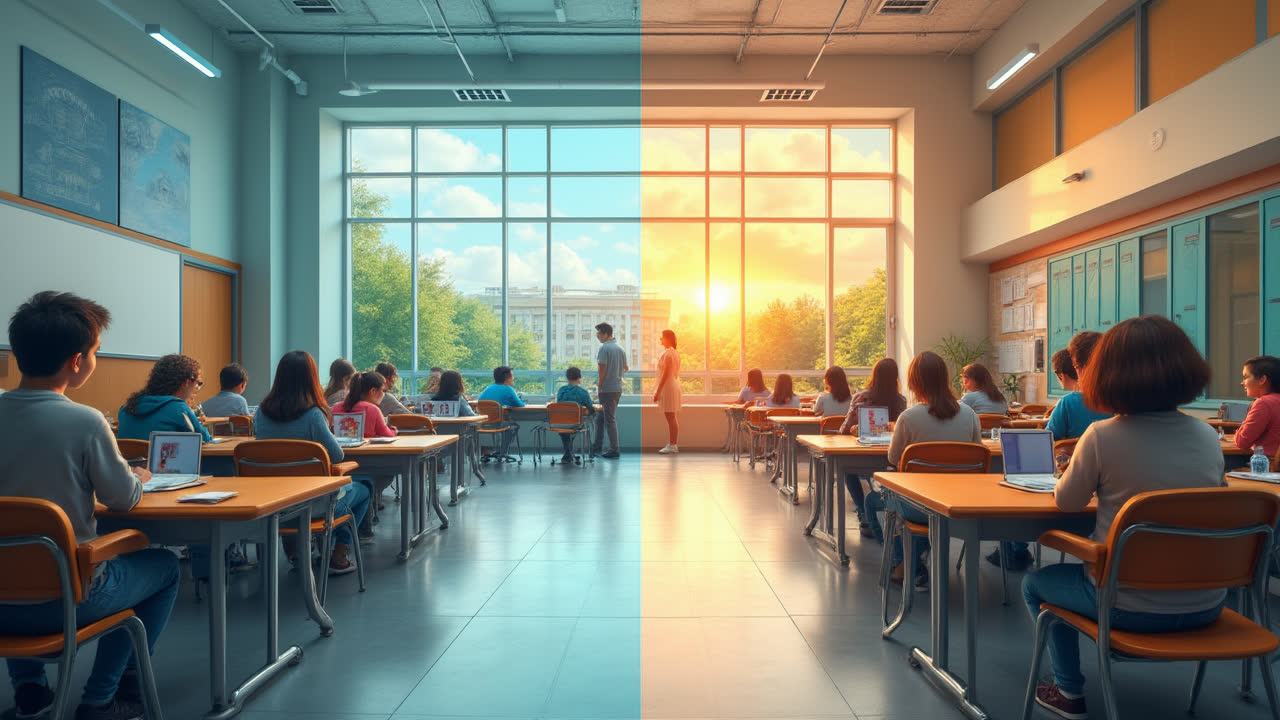
The transition from high school to college represents one of the most significant shifts in a student's educational journey. While both are important educational institutions, the differences between college and high school go far beyond just the level of education provided. Have you ever wondered what truly separates these two pivotal learning environments? As someone who's navigated both systems, I've experienced firsthand how dramatically different they can be.
Understanding these differences is crucial for students preparing to make this transition. College often provides post-secondary education with greater freedom and responsibility, while high school delivers structured secondary education designed to prepare teenagers for their next steps. This fundamental distinction shapes everything from classroom dynamics to lifestyle expectations.
I remember my first week of college like it was yesterday – the overwhelming sense of freedom mixed with the sudden realization that no one would be checking if I completed my assignments or even attended class! This stark contrast to my high school experience highlights just one of the many differences we'll explore in this comprehensive guide.
Understanding College Education
College education varies significantly across different countries and systems. In the United States, tertiary education typically refers to undergraduate studies where students earn associate or bachelor's degrees. Community colleges offer two-year programs leading to associate degrees, while four-year institutions provide bachelor's degrees in various disciplines.
The meaning of "college" can differ regionally. In the United Kingdom, colleges often refer to institutions where students aged 16-19 study for advanced qualifications, known as sixth form colleges. Within universities, colleges may function as subdivisions that provide tuition and facilities but don't independently award degrees. Meanwhile, in countries like India, colleges can be affiliated institutions of universities that offer bachelor's degrees.
College students generally enjoy greater academic freedom but face higher expectations for independent work. I've noticed that professors rarely track attendance or homework completion the way high school teachers do – they simply expect you to manage your responsibilities. This shift requires significant adjustment for many first-year students who aren't accustomed to such autonomy.
The social dynamics of college also differ dramatically from high school. Students come from diverse backgrounds and age groups, creating a rich tapestry of perspectives and experiences. Living arrangements often involve dormitories or apartments rather than staying with parents, fostering independence and personal growth alongside academic development. Isn't it interesting how this combination of factors creates such a unique educational environment?
Understanding High School Education
High school provides secondary education to adolescents, typically following primary or middle school education. In most educational systems, high school represents the final stage before higher education or vocational training. Upon successful completion, students receive a high school diploma or equivalent certification that serves as a prerequisite for further studies.
In the United States, high schools usually encompass grades 9 or 10 through 12, serving students approximately 14-18 years old. The structure can vary between states, counties, and school districts. High schools come in various types, including general high schools (the most common), vocational schools focused on career preparation, magnet schools with specialized curricula, and college preparatory schools designed to prepare students for university education.
High school education tends to be highly structured with mandated attendance policies, standardized curricula, and close monitoring of student progress. Teachers typically maintain regular communication with parents about academic performance and behavioral issues. The school day follows a rigid schedule with predetermined class periods, minimal free time, and supervised activities.
During my high school years, I remember how each minute seemed accounted for – from the morning bell to dismissal time. Teachers knew exactly who was missing from class, homework completion was tracked meticulously, and parental involvement was encouraged at every turn. While sometimes frustrating, this structure provided a safety net that many students don't fully appreciate until they face the independence of college life.
Key Differences Between College and High School
| Aspect | College | High School |
|---|---|---|
| Educational Level | Post-secondary/tertiary education | Secondary education |
| Student Demographics | Adults of various ages (typically 18+) | Adolescents (typically 14-18 years old) |
| Class Schedule | Flexible, with gaps between classes; courses meet 1-3 times weekly | Structured daily schedule with consecutive classes |
| Academic Responsibility | Self-directed learning with minimal supervision | Guided learning with close teacher oversight |
| Attendance Policies | Often optional or minimally enforced | Strictly monitored with consequences for absence |
| Workload & Study Time | 2-3 hours of independent study per class hour | Homework assigned and checked regularly |
| Living Arrangements | Dormitories, apartments, or commuting | Typically living with parents/guardians |
| Financial Responsibility | Tuition costs, living expenses, possible student loans | Minimal costs, typically covered by parents |
Academic Expectations and Teaching Styles
The academic expectations between college and high school represent perhaps the most jarring adjustment for new college students. In high school, teachers often provide detailed instructions, frequent reminders about deadlines, and multiple opportunities to improve grades. College professors, on the other hand, typically present course requirements at the beginning of the semester and expect students to manage their workload independently.
Teaching styles also differ dramatically. High school classrooms usually involve daily interaction, frequent assessments, and a significant amount of teacher guidance. College courses might meet just once or twice weekly, with fewer graded assignments and a greater emphasis on independent research and critical thinking. Some of my college courses had just three grades for the entire semester – a stark contrast to the weekly quizzes and assignments I was accustomed to in high school!
The volume and complexity of reading material increases substantially in college. While high school assignments might include 10-20 pages of reading per night, college courses could assign 50-100 pages for a single class session. Moreover, professors expect students to analyze this material critically rather than simply memorizing facts for a test.
Another significant difference lies in the classroom dynamic. High school teachers often monitor student engagement closely, calling on students who aren't participating or checking for understanding throughout lessons. College professors generally treat students as adults responsible for their own learning, creating an environment where asking questions and seeking clarification becomes the student's responsibility rather than the instructor's initiative.
Social Environment and Personal Freedom
The social landscape transforms dramatically between high school and college. High school social structures often revolve around established friend groups, with social activities primarily occurring during school hours or at school-sponsored events. College offers a more diverse social environment with countless clubs, organizations, and informal gatherings that students can choose to participate in based on their interests rather than proximity or convenience.
Personal freedom expands significantly in college. Students make independent decisions about daily schedules, sleeping habits, eating choices, and social activities without parental oversight. This newfound autonomy can be both liberating and challenging as students learn to balance academic responsibilities with personal enjoyment. I recall spending an entire night playing video games with dormmates during my freshman year simply because I could – only to regret it bitterly during an 8 AM lecture the next morning!
The diversity of the student population also differs markedly. While high schools typically draw students from the surrounding community with relatively similar backgrounds and age ranges, colleges attract students from various geographic regions, cultural backgrounds, and life stages. This diversity creates opportunities for exposure to different perspectives and worldviews that may not have been available in the more homogeneous high school environment.
Social relationships often become more meaningful in college as students connect based on genuine common interests rather than convenient proximity. The friendships formed during college frequently endure throughout adulthood because they develop in an environment where individuals are discovering their authentic selves and future paths. Have you noticed how college friendships often seem to have a different quality than those from earlier educational stages?
Frequently Asked Questions
How should students prepare for the transition from high school to college?
Preparing for the transition from high school to college involves developing strong time management skills, practicing independent learning, and becoming comfortable with self-advocacy. Students should practice creating and following their own study schedules without reminders, learn to seek help proactively when needed, and develop basic life skills like budgeting, cooking simple meals, and doing laundry. Additionally, researching the specific resources available at their chosen college (writing centers, tutoring services, counseling) can help students know where to turn when challenges arise.
What are the financial differences between high school and college?
The financial landscape shifts dramatically between high school and college. While high school education is generally provided free of charge through public systems (with minimal fees for activities or materials), college involves significant costs including tuition, room and board, textbooks, and living expenses. Students often manage their own budgets for the first time, making decisions about meal plans, entertainment expenses, and personal needs. Many students work part-time jobs while studying, apply for scholarships and grants, or take out student loans to finance their education—introducing financial responsibilities that rarely factor into high school experiences.
How do teaching methods differ between college and high school?
College teaching methods emphasize independent learning, critical thinking, and application of concepts rather than memorization and repetition common in high school. High school teachers typically provide detailed instruction, frequent feedback, and multiple opportunities for grade improvement. College professors often present material through lectures with limited interactive components, assign extensive reading to be completed independently, and evaluate understanding through fewer, higher-stakes assessments. Discussions in college classes tend to be more analytical and open-ended, requiring students to formulate and defend their own interpretations rather than identifying "correct" answers as they might in high school.
Conclusion: Embracing the Transition
The educational journey from high school to college represents a significant period of growth and adaptation. Understanding the fundamental differences between these institutions can help students navigate this transition more successfully. While high school provides a structured environment with close guidance, college offers greater freedom alongside increased responsibility for one's own learning and development.
Both educational stages serve important purposes in preparing individuals for their future paths. High school builds foundational knowledge and study habits while providing a safety net for adolescent development. College expands on this foundation, fostering independent critical thinking, specialized knowledge, and personal responsibility that prepares students for professional careers and lifelong learning.
As you contemplate or experience this transition, remember that adjustment takes time. The skills that served you well in high school may need refinement for college success, but the process of adaptation itself develops valuable capabilities that will benefit you throughout life. Perhaps the most important lesson from understanding these differences is recognizing that education evolves alongside personal growth—each stage preparing you not just for the next academic environment but for the increasing complexity of adult life and professional challenges.