Culture vs Tradition: 8 Essential Differences You Should Know
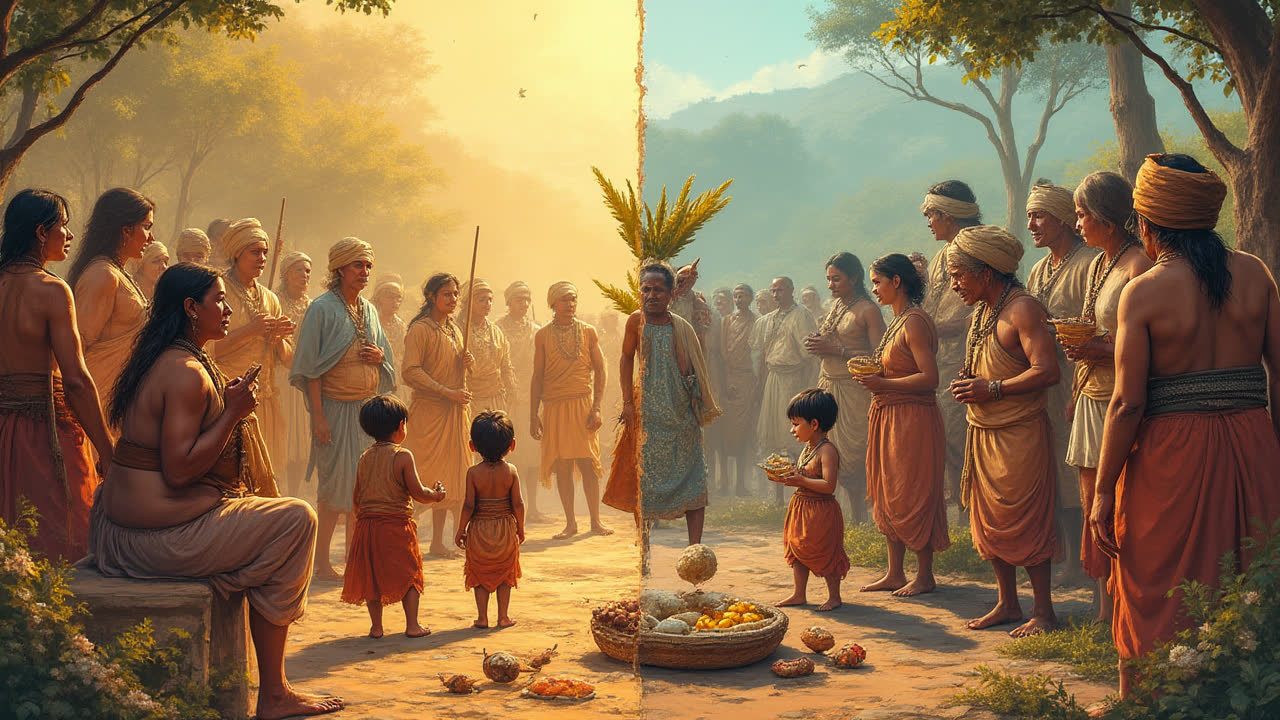
Have you ever wondered about the difference between culture and tradition? These terms often get used interchangeably in everyday conversation, but they represent distinct concepts that shape our social identity and behaviors. I've spent years studying these fascinating social constructs, and I'm excited to share what makes each unique while exploring their interconnected relationship.
Simply put, culture encompasses the complete set of ideas, customs, and social behaviors that define a particular group of people, while traditions specifically refer to beliefs and customs passed down through generations. Think of it this way: all traditions are part of culture, but not all cultural elements are traditions.
I remember growing up in a multicultural neighborhood where I witnessed firsthand how these concepts manifested differently across families. My Greek neighbors celebrated traditional name days with elaborate feasts—a tradition spanning generations—while simultaneously embracing modern Greek-American cultural practices that had evolved more recently. This personal experience helped me understand that traditions represent the threads of continuity in the ever-evolving tapestry of culture.
Understanding Culture: The Broader Concept
Culture represents the complete identity of a social group—encompassing everything from language and art to social norms and daily practices. As defined by E.B. Taylor, the founder of cultural anthropology, culture is the "complex whole which includes knowledge, belief, art, morals, law, custom and any other capabilities and habits acquired by man as a member of society."
What fascinates me most about culture is its dynamic nature. Unlike traditions, which typically maintain consistency across generations, culture constantly evolves and adapts to changing circumstances. Just think about American culture today compared to fifty years ago—while certain traditions remain intact, the broader cultural landscape has transformed dramatically through technological advancement, social movements, and global influences.
Culture manifests through numerous expressions across different social groups:
- Language patterns and communication styles
- Artistic expressions (music, visual arts, dance, literature)
- Religious and spiritual practices
- Food preparation and consumption habits
- Social structures and hierarchies
- Economic systems and work ethics
- Educational approaches and knowledge systems
I've observed that culture functions as both the visible and invisible framework guiding how people interact with the world around them. For instance, the culture of Japan influences everything from its architectural designs to business etiquette to family dynamics. These cultural elements create a cohesive identity that distinguishes Japanese society from others while allowing for internal diversity and individual expression.
Defining Tradition: The Generational Thread
Traditions serve as the connective tissue between generations, representing specific customs, beliefs, and practices intentionally preserved and transmitted over time. According to the Oxford Dictionary, tradition refers to "the transmission of customs or beliefs from generation to generation, or the fact of being passed on in this way."
What I find particularly interesting about traditions is that following them isn't obligatory in the same way as laws or formal regulations. Instead, traditions derive their power from social expectations, emotional connections, and a sense of continuity with the past. When my family gathers for holiday meals and prepares specific dishes using recipes handed down for generations, we're not legally required to do so—we choose to participate because these traditions provide meaning and connection.
Traditions can exist at various levels of social organization:
- Family traditions (annual reunions, holiday rituals)
- Community traditions (local festivals, ceremonies)
- National traditions (independence celebrations, historical commemorations)
- Religious traditions (ceremonial practices, holiday observances)
- Ethnic traditions (cultural dress, language preservation)
Interestingly, new traditions can emerge relatively quickly. About a decade ago, my friends and I started a casual summer barbecue that has evolved into an elaborate annual event with specific foods, games, and rituals that everyone now expects. This experience taught me that while many traditions have ancient origins, others develop organically within shorter timeframes and still carry significant meaning for participants.
Culture vs Tradition: Key Differences Explained
Now that we've explored these concepts individually, let's examine the essential differences between culture and tradition. Understanding these distinctions helps clarify how societies function and evolve while maintaining connections to their heritage.
| Comparison Point | Culture | Tradition |
|---|---|---|
| Definition | The comprehensive set of ideas, customs, and social behaviors of a particular people or society | Specific customs, beliefs, or practices transmitted from one generation to the next |
| Scope | Broader concept encompassing all aspects of social life | Narrower concept focused on specific inherited practices |
| Creation Process | Collectively created and evolved by entire social groups over time | Can be created by individuals or small groups and later adopted more widely |
| Rate of Change | More dynamic and adaptable to new circumstances | More resistant to change, designed for preservation |
| Social Level | Primarily associated with larger social entities (nations, ethnicities) | Can exist at any social level, including families |
| Obligation | Often unconsciously absorbed and followed | Consciously maintained and practiced, but not obligatory |
| Transmission | Transmitted through various channels including media, education, and peer interactions | Primarily transmitted through direct teaching and participation |
| Relationship | Contains traditions as one component | Exists within the broader framework of culture |
How Culture and Tradition Shape Each Other
Despite their differences, culture and tradition maintain a fascinating symbiotic relationship. Traditions often serve as anchoring points within a culture, providing stability amid cultural evolution. Meanwhile, broader cultural changes gradually influence how traditions are practiced and interpreted over time.
I've noticed this dynamic interplay in wedding ceremonies across different cultural contexts. Take American wedding traditions, for example. The tradition of the bride wearing white began in the Victorian era but has persisted even as American culture has dramatically transformed. Yet, modern couples often adapt this tradition by choosing alternative dress colors or styles that reflect contemporary cultural values while maintaining a connection to traditional practices.
Cultural shifts can also lead to the birth of new traditions. The relatively recent tradition of "gender reveal" celebrations emerged from American culture's increased focus on pregnancy milestones and social media sharing. What began as individual practices has rapidly evolved into a recognized tradition that many expectant parents now feel compelled to participate in. This illustrates how quickly culture can generate new traditions in our interconnected world.
Conversely, deeply-held traditions can resist cultural pressures for change. Religious traditions, in particular, often demonstrate remarkable resilience even as the surrounding culture evolves dramatically. Many religious communities maintain traditional practices that have remained largely unchanged for centuries, creating interesting contrasts with modern cultural norms. I've always found it remarkable to witness ancient religious rituals performed in contemporary urban settings—a vivid demonstration of tradition's staying power within evolving cultural landscapes.
Global Perspectives on Culture and Tradition
The relationship between culture and tradition varies significantly across different global contexts. Some societies place greater emphasis on traditional preservation, while others more readily embrace cultural evolution and change. These differences often reflect historical experiences, geographical conditions, and philosophical worldviews.
Japan offers a fascinating case study in balancing tradition and cultural evolution. Japanese society highly values traditional arts, ceremonies, and social customs while simultaneously embracing technological innovation and global influences. This has resulted in a unique cultural landscape where ancient tea ceremonies coexist with cutting-edge technology, and traditional architectural elements appear in ultramodern buildings. I remember visiting Tokyo and being struck by the seamless integration of centuries-old temples amid gleaming skyscrapers—a physical manifestation of how tradition and evolving culture can complement rather than contradict each other.
In contrast, some indigenous communities worldwide have prioritized traditional preservation as a form of cultural survival against external pressures. For these groups, maintaining traditional practices isn't simply about honoring the past but about preserving cultural identity in the face of homogenizing global influences. The Sámi people of Northern Europe, for instance, have worked diligently to maintain traditional reindeer herding practices, language, and craft traditions even as they participate in modern political and economic systems. Their experience reminds us that tradition can serve as a powerful tool for cultural resilience.
Immigrant communities present another interesting perspective on the culture-tradition relationship. When people relocate to new cultural environments, traditions often take on heightened importance as connections to heritage and identity. However, these traditions typically undergo adaptation to fit new cultural contexts. I've observed this among immigrant families where traditional holidays from the homeland are celebrated with locally available ingredients and adapted rituals—creating hybrid practices that honor tradition while acknowledging new cultural realities.
The Evolution of Traditions Within Modern Culture
In today's rapidly changing world, traditions face both challenges and new opportunities for expression. Digital technologies, globalization, and changing social values all influence how traditions evolve and function within contemporary culture. This dynamic raises important questions about authenticity, adaptation, and the continuing relevance of traditional practices.
Digital technologies have transformed how traditions are documented, shared, and sometimes even practiced. Social media platforms now play significant roles in coordinating traditional gatherings, preserving traditional knowledge, and connecting geographically dispersed communities. I've participated in virtual holiday celebrations that maintain core traditional elements while adapting to physical separation—something that would have been unimaginable to previous generations but now feels increasingly normalized in our digital culture.
Commercialization presents another powerful force shaping modern traditions. Many traditional holidays and ceremonies have developed commercial dimensions that both spread awareness of these traditions and potentially alter their meaning. Consider how Valentine's Day has evolved from religious observance to commercialized expression of romantic love, complete with expected gift exchanges and restaurant reservations. This transformation reflects how market forces within modern culture can simultaneously preserve, popularize, and fundamentally change traditions.
Perhaps most significantly, contemporary values around diversity, equality, and inclusion have prompted reconsideration of certain traditions. Many communities are critically examining traditional practices that reflect outdated social hierarchies or exclusionary attitudes. I've witnessed family and community traditions thoughtfully modified to better align with contemporary values—not abandoning tradition entirely, but evolving it to remain meaningful in changing cultural contexts. This process of critical engagement with tradition demonstrates how culture and tradition continue their dialogue, with neither remaining static in the face of social change.
Frequently Asked Questions About Culture and Tradition
Can traditions exist independently from culture?
Traditions cannot exist completely independently from culture because they always operate within some cultural context. However, traditions can transcend specific cultures through migration, cultural exchange, or historical preservation. When people relocate to new cultural environments, they often maintain traditions from their original culture. Over time, these transplanted traditions may evolve to incorporate elements from the new cultural context, creating hybrid forms that reflect multiple cultural influences while maintaining traditional continuity.
How long does it take for a practice to become a tradition?
There's no fixed timeframe for a practice to become a tradition, as this transition depends more on social recognition and generational transmission than strict time periods. Some traditions develop relatively quickly—within a single generation—if they fulfill important social or emotional needs and are deliberately passed on. Others may take multiple generations to become firmly established. The key factor is intentional continuation and recognition of the practice as something worth preserving and transmitting to future generations. The perception of historical continuity often matters more than actual duration, which is why even relatively recent practices can acquire the weight of tradition if they're presented and embraced as connections to the past.
Why do some traditions disappear while others persist for centuries?
The longevity of traditions depends on several factors, including their adaptability, continued relevance, emotional significance, and institutional support. Traditions that successfully adapt to changing circumstances while maintaining their core meaning tend to survive longer than rigid practices that cannot accommodate cultural shifts. Similarly, traditions tied to fundamental human experiences (birth, coming-of-age, marriage, death) often demonstrate remarkable persistence across cultural changes because they address universal life passages. Emotional significance also plays a crucial role—traditions that generate strong positive emotions create motivation for continuation. Finally, institutional support through religious organizations, governmental recognition, or educational systems can significantly extend a tradition's lifespan by providing resources and formal mechanisms for transmission to new generations.
Conclusion: Embracing the Relationship Between Culture and Tradition
Understanding the differences between culture and tradition helps us navigate our complex social identities in an increasingly interconnected world. While culture represents the complete social framework that shapes our daily lives and worldviews, traditions provide specific anchoring points that connect us to our history and heritage. Both play essential roles in creating meaning and belonging in human communities.
The dynamic relationship between these concepts offers valuable insights into how societies both change and maintain continuity over time. Rather than seeing tradition as simply the static elements within evolving culture, we can appreciate how traditions themselves adapt and transform while preserving connections to the past. This perspective encourages a more nuanced understanding of social change that recognizes both innovation and preservation as valuable processes.
As we navigate our increasingly globalized world, engaging thoughtfully with both culture and tradition allows us to honor heritage while embracing necessary evolution. By understanding these concepts more clearly, we can participate more consciously in both cultural development and traditional preservation—contributing to the ongoing dialogue between past, present, and future that shapes human societies.