Understanding the Difference Between Bolus and Chyme
Understanding the Difference Between Bolus and Chyme
Have you ever wondered what happens to your food after you swallow it? It's a fascinating journey through your digestive system, and two critical stages involve something called bolus and chyme. While both might sound like complicated scientific terms, they're actually just different forms your food takes as it moves through your body. Understanding the difference between bolus and chyme can give you valuable insights into how your digestive system works.
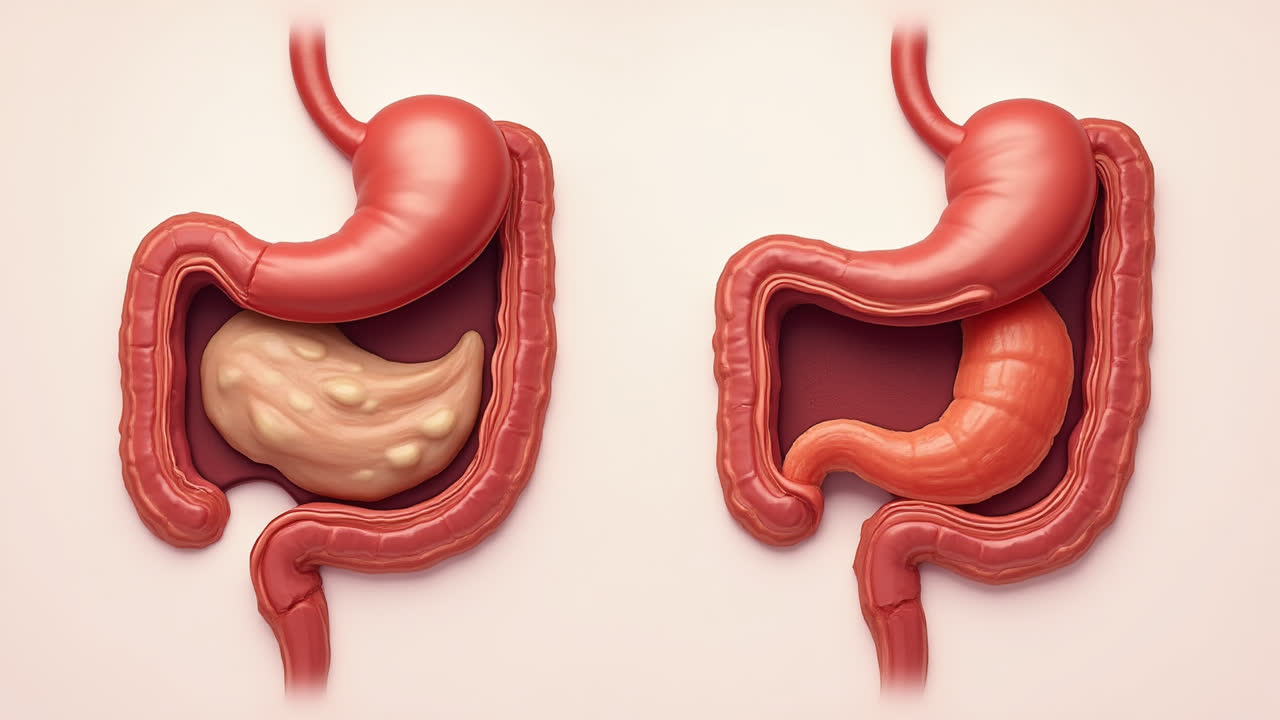
Let me break this down in a way that's easy to understand. Bolus and chyme are essentially two states of the same thing – your food – as it progresses through digestion. The main difference between bolus and chyme is simple: bolus is what your food becomes in your mouth, while chyme is what it transforms into inside your stomach. But there's much more to the story than that!
What Exactly is a Bolus?
Think of a bolus as nature's way of preparing your food for the journey ahead. When you chew your food, your saliva mixes with it to create a soft, ball-like substance. This is the bolus. Your tongue and teeth work together to create this consistency, making it easier to swallow. The bolus is actually more alkaline in nature, which is interesting because it sets the stage for what comes next.
The process of creating a bolus involves sophisticated teamwork. Your three main pairs of salivary glands – the parotid, submandibular, and sublingual glands – produce saliva containing important digestive enzymes. These enzymes, particularly amylase and lingual lipase, begin breaking down carbohydrates and fats even before the food leaves your mouth. It's amazing how much work your body does even before you take that first swallow!
Once formed, the bolus travels down your esophagus through a process called peristalsis. These wave-like muscle contractions push the bolus toward your stomach, where its next transformation begins. The ball-like shape of the bolus isn't arbitrary – it's specifically designed to make swallowing easier and safer. Ever notice how round foods are generally easier to swallow? That's the principle at work here.
What is Chyme and How is it Different?
Once the bolus reaches your stomach, it undergoes a dramatic transformation into what we call chyme. Here's where things get interesting. Your stomach acids, particularly hydrochloric acid, turn that nice alkaline bolus into a highly acidic mixture with a pH between 1 and 3. The texture changes from a ball-like consistency to a creamy, semi-liquid paste.
This acidic environment isn't just for show. It denatures proteins, making them easier to digest, and activates important enzymes like pepsinogen. The stomach also churns the mixture through muscular contractions, further breaking down food particles. I find it fascinating that our bodies essentially create their own chemical factory for food processing!
The transformation from bolus to chyme happens over several hours. During this time, your stomach works like a mixer, combining the food with gastric juices until everything becomes a uniform substance. This chyme then gradually moves into your small intestine, where the majority of nutrient absorption occurs. It's like a well-orchestrated assembly line, with each stage perfectly preparing the food for the next.
Key Differences Between Bolus and Chyme
| Characteristic | Bolus | Chyme |
|---|---|---|
| Location | Mouth/Esophagus | Stomach/Small Intestine |
| pH Level | Alkaline (basic) | Acidic (pH 1-3) |
| Texture | Ball-like, solid | Creamy paste, semi-liquid |
| Composition | Food + Saliva | Food + Gastric Juice |
| Digestive Enzymes | Amylase, Lingual lipase | Pepsinogen, Gastric lipase |
| Color | Similar to original food | Modified tone of food color |
| Digestion Stage | Beginning stage | Partial completion |
| Next Destination | Stomach | Small intestine |
The Digestive Journey: From Bolus to Chyme
Let me walk you through this journey step by step. It all starts in your mouth, where mechanical digestion begins. As you chew, your teeth break down food while your tongue positions it for optimal mixing with saliva. This creates the first form our food takes – the bolus. This alkaline mixture is carefully crafted to be just the right consistency for swallowing.
Once you swallow, the bolus travels down your esophagus. Here's something many people don't realize: you can even swallow while upside down! That's the power of peristalsis at work. The muscular waves push the bolus toward your stomach regardless of gravity. It's one of those amazing biological designs that we often take for granted.
When the bolus reaches your stomach, the real chemical transformation begins. The stomach's muscular walls contract, mixing the bolus with acidic gastric juices. This churning process can take anywhere from 2-6 hours, depending on what you've eaten. Proteins start breaking down, fats begin to emulsify, and what was once your meal becomes an unrecognizable paste.
The final product, chyme, is remarkably uniform in consistency. Its acidic nature prepares nutrients for absorption in the small intestine. As chyme enters the duodenum (the first part of the small intestine), bicarbonate neutralizes its acidity, allowing enzymes to work effectively. It's like a perfectly choreographed dance where each step leads seamlessly to the next.
Practical Implications of Understanding Bolus and Chyme
You might be wondering, "Why should I care about this?" Well, understanding how bolus and chyme work can actually help you make better choices for your digestive health. For instance, knowing that your mouth is where digestion truly begins emphasizes the importance of thorough chewing. Chewing your food properly creates a better bolus, which makes the stomach's job easier.
The acidic nature of chyme also explains why certain medications need to be enteric-coated. These coatings protect the medicine from being broken down in the stomach, allowing it to reach the small intestine intact. It's a brilliant application of understanding how our digestive system processes different substances.
For people with digestive issues, knowing about bolus and chyme formation can be particularly helpful. Conditions like acid reflux involve chyme moving backward into the esophagus, causing discomfort. Understanding this process can help in managing symptoms and making lifestyle adjustments.
Common Misconceptions and Fascinating Facts
Here's something that might surprise you: the color of chyme doesn't always reflect what you ate. While it typically maintains some resemblance to the original food color, the gastric juices can alter its appearance significantly. This is why medical professionals sometimes examine the color of vomited material – it can provide diagnostic information about what's happening in the digestive system.
Another interesting fact is that the formation of bolus is partially voluntary, while the conversion to chyme is entirely involuntary. You choose how much to chew and when to swallow, but once that bolus hits your stomach, your body takes complete control. It's a perfect example of our conscious and unconscious systems working together.
Some people think that drinking water dilutes stomach acid, affecting chyme formation. While large amounts of water can temporarily reduce acid concentration, your stomach quickly adjusts by producing more acid. Your body is remarkably good at maintaining the right balance for proper digestion.
The Science Behind the Transformation
The chemical transformation from bolus to chyme involves fascinating biochemical processes. When hydrochloric acid in the stomach meets the alkaline bolus, it creates an immediate pH change. This shift denatures proteins, unfolding them to expose peptide bonds that enzymes can attack. It's like unwrapping a tightly packed package to get to its contents.
The enzymes involved in this process are highly specialized. Pepsinogen, for example, is secreted in an inactive form and only becomes active pepsin when it encounters the acidic environment. This prevents your stomach from digesting itself – a clever safety mechanism that evolution has perfected.
Mechanical digestion through churning isn't just about mixing. The stomach's muscular contractions create shear forces that physically break apart food particles. Combined with chemical digestion, this dual approach ensures efficient nutrient breakdown. It's like having both a blender and a chemical reactor working together in perfect harmony.
Evolutionary Perspective on Bolus and Chyme
From an evolutionary standpoint, the bolus-to-chyme transformation represents millions of years of refinement. Early vertebrates had simpler digestive systems, but as diets became more varied, more sophisticated processing methods developed. The ability to create a well-formed bolus likely evolved alongside the development of proper chewing apparatus.
The acidic stomach environment was a significant evolutionary innovation. It allowed animals to consume a wider variety of foods, including those with potential pathogens. The low pH essentially sterilizes food, killing most bacteria and parasites. This adaptation opened up new ecological niches and dietary possibilities for our ancestors.
Interestingly, not all animals form traditional boluses. Some fish, for example, swallow prey whole, while ruminants like cows create cud, which is essentially bolus that's regurgitated and re-chewed. These variations show how different species have adapted the basic digestive principles to their specific needs.
Clinical Significance and Medical Applications
Understanding bolus and chyme formation has important medical implications. Doctors often use this knowledge when diagnosing swallowing disorders (dysphagia) or stomach conditions. Problems with bolus formation can indicate issues with salivary glands, muscle function, or neurological conditions affecting swallowing.
In gastroenterology, the characteristics of chyme can provide diagnostic information. For instance, blood in chyme (which appears black due to acid interaction) suggests upper gastrointestinal bleeding. The presence of undigested food in vomit might indicate motility disorders or more serious conditions.
Medical interventions sometimes target specific stages of this process. Antacids work by neutralizing stomach acid, affecting chyme pH. Protein supplements are often designed to form proper boluses for easier swallowing by elderly patients or those with swallowing difficulties. These applications demonstrate how understanding basic digestive physiology translates into practical medical solutions.
Frequently Asked Questions
Q: How long does it take for bolus to convert to chyme?
A: The conversion from bolus to chyme typically takes 2-6 hours, depending on the type and amount of food consumed. Protein-rich meals generally take longer to process than carbohydrate-rich ones.
Q: Can problems with bolus formation affect overall digestion?
A: Yes, improper bolus formation can impact the entire digestive process. Poor chewing or inadequate saliva production can lead to larger food particles entering the stomach, making digestion less efficient and potentially causing discomfort.
Q: Is it true that stomach acid can dissolve metal?
A: While stomach acid (hydrochloric acid with a pH of 1-3) is very strong, it cannot dissolve most metals. However, it can dissolve certain materials like zinc and slowly corrode others. The myth probably arose from the stomach's ability to break down tough food substances.