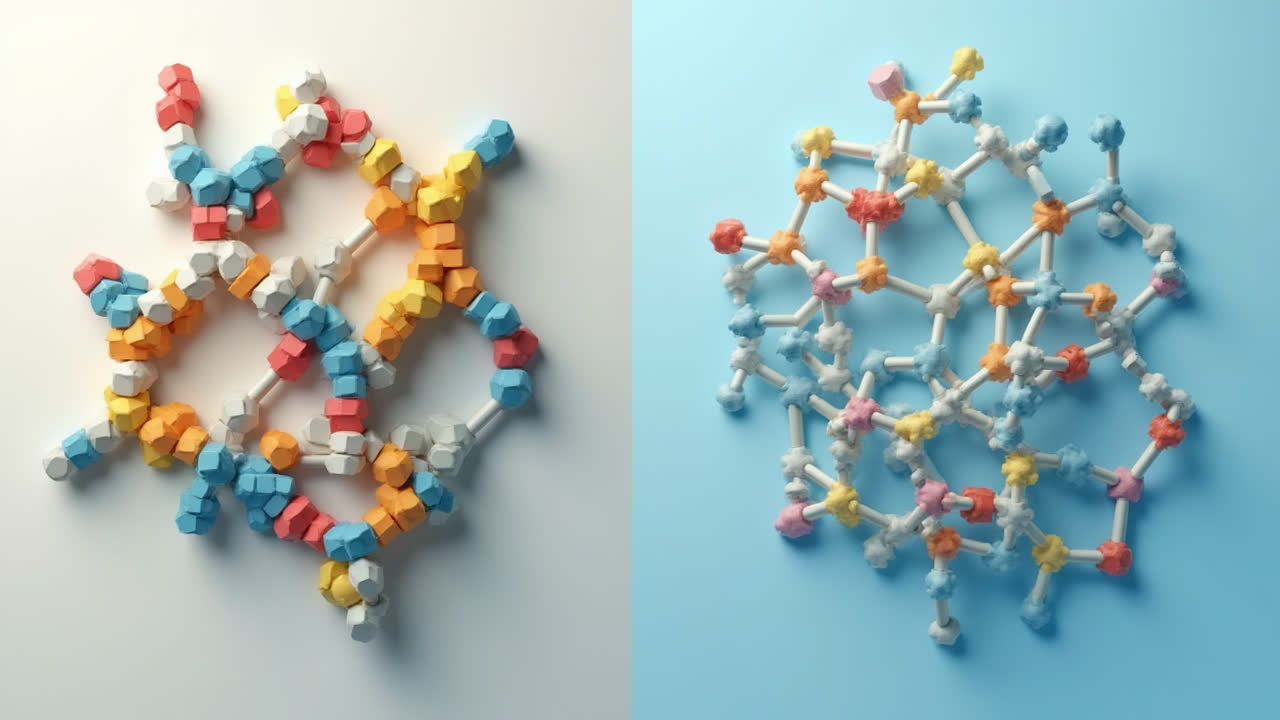
Direct vs Indirect Organogenesis: Key Differences Explained
If you've ever marveled at how scientists can regenerate entire plants from tiny tissue samples, you're witnessing the fascinating world of organogenesis. As someone who's spent countless hours in plant biotechnology labs, I can tell you there's something almost magical about watching new plant organs develop from a small explant. The journey from tissue fragment to fully-formed plant happens through two main pathways: direct organogenesis and indirect organogenesis. Understanding the difference between these processes isn't just academic—it impacts everything from commercial plant propagation to conservation efforts.
Simply put, organogenesis is the process by which plants form new organs—like shoots and roots—from cultured tissue. This remarkable ability stems from a unique plant characteristic called totipotency, where cells can dedifferentiate (basically reset themselves) and then develop into any plant part. Think of it as nature's way of allowing plants to regenerate after damage or as a propagation strategy. But here's where it gets interesting: this regeneration can take two distinct routes, and the path chosen makes all the difference in the outcome.
In my years working with different plant species, I've seen firsthand how the choice between direct and indirect approaches can significantly impact success rates and the genetic stability of the resulting plants. While both methods achieve the same end goal of creating new plant organs, they follow dramatically different cellular journeys to get there. The primary distinction lies in whether the explant tissue forms an intermediary callus (an unorganized mass of cells) before developing into organized structures.
When working with rare orchid species last summer, I noticed that direct organogenesis protocols consistently produced more uniform plants that better resembled the mother plants. This isn't surprising when you understand the fundamental differences in how these processes work at the cellular level.
What is Direct Organogenesis?
Direct organogenesis is like taking a shortcut in plant regeneration. In this process, new shoots or roots develop directly from the explant tissue without forming an intermediary callus phase. It's a more straightforward approach where plant organs emerge right from the original tissue piece. I remember the first time I successfully induced direct shoot formation from a leaf segment—it was remarkable to see tiny green buds emerging directly from the leaf margin after just two weeks in culture.
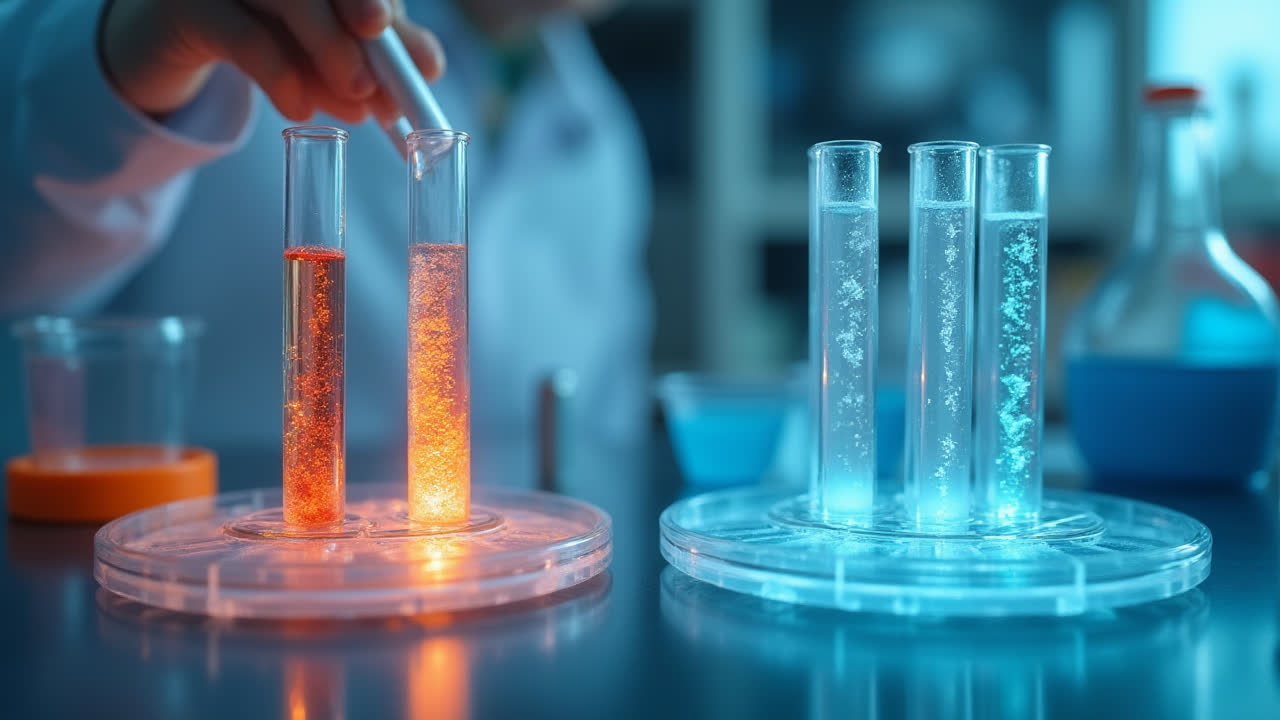
The process begins with selecting an appropriate explant—typically a piece of leaf, stem, or root tissue. This explant is placed on a nutrient-rich medium containing specific plant hormones called plant growth regulators (PGRs). The magic happens when you get the balance of these hormones just right. For direct shoot formation, media typically contain higher concentrations of cytokinins (like BAP or kinetin) relative to auxins. This hormonal environment triggers cells in the explant to undergo organogenesis without first becoming callus.
What makes direct organogenesis particularly valuable is its speed and genetic fidelity. Since the new organs develop directly from the original tissue, there's less chance for genetic mutations or variations. I've found this especially important when working with valuable ornamental plants where maintaining specific traits like flower color or pattern is critical. One colleague joked that direct organogenesis is the "express train" of plant tissue culture—faster and with fewer stops along the way!
The efficiency of direct organogenesis varies widely between plant species and even between different cultivars of the same species. Some plants, like many ferns and certain orchids, naturally favor this direct pathway. Others require careful optimization of culture conditions and hormone concentrations to bypass the callus phase. I once spent three months tweaking the cytokinin levels in my media before successfully achieving direct shoot regeneration in a particularly stubborn medicinal plant species.
What is Indirect Organogenesis?
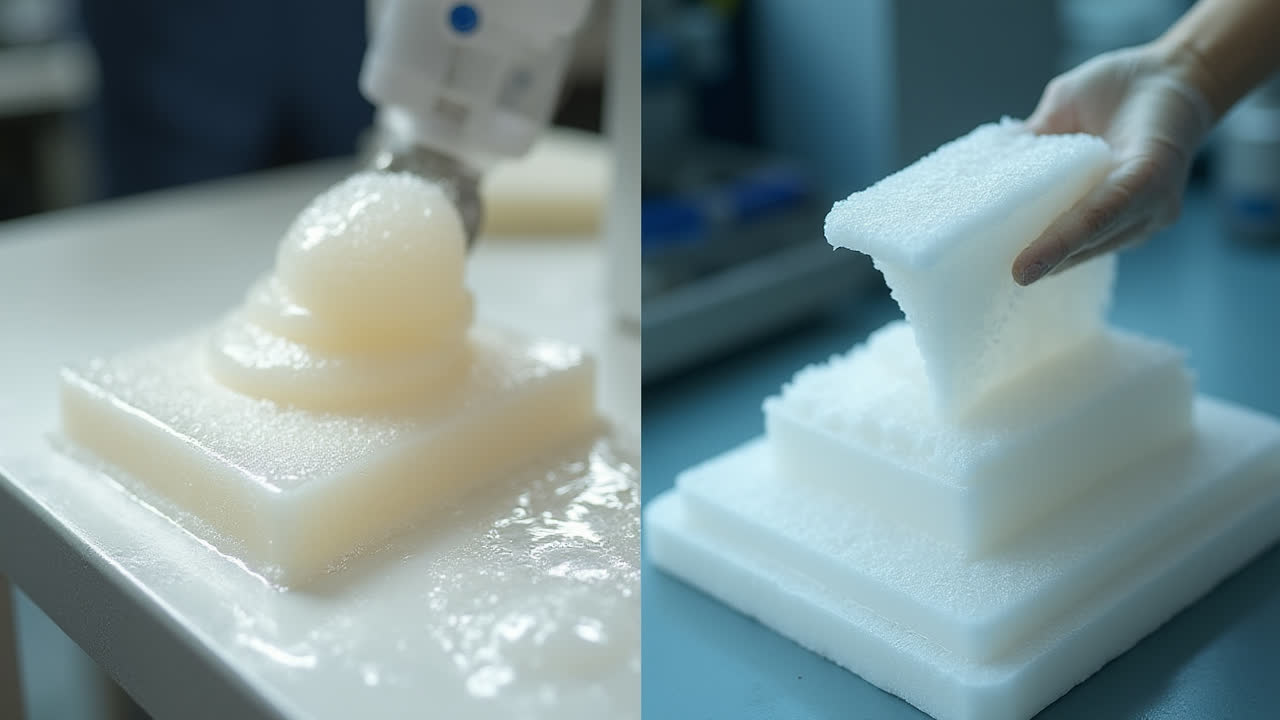
Indirect organogenesis takes the scenic route to plant regeneration. In this method, the explant first develops into an unorganized mass of cells called callus before differentiating into organized structures like shoots and roots. The callus phase serves as an intermediary step—think of it as the plant cells going back to a more primitive, unspecialized state before reorganizing themselves into new structures. During my doctoral research, I became quite familiar with the slightly translucent, sometimes friable texture of healthy callus tissue developing on culture media.
The process begins similarly to direct organogenesis, with an explant placed on nutrient media. However, the hormonal balance typically favors auxins initially to promote callus formation. Once callus develops (usually after 2-4 weeks), the tissue is transferred to a different medium with altered hormone ratios to induce organ formation. For shoot induction, the medium usually contains higher cytokinin levels, while for root induction, auxins predominate. This two-step process gives researchers more control points but also introduces more complexity and potential for variation.
One interesting advantage of indirect organogenesis is its versatility with recalcitrant species—plants that don't readily regenerate through direct methods. I've encountered numerous plant species, particularly woody plants and some monocots, that simply refuse to form organs directly from explants but will cooperate after going through a callus phase. Additionally, the callus can be multiplied through subculture, potentially producing more plantlets than direct methods, though at the cost of increased genetic variability.
The callus phase in indirect organogenesis introduces a double-edged sword: greater regenerative potential but increased risk of somaclonal variation. These genetic or epigenetic changes can result in plants that differ from the parent material—sometimes in subtle ways, other times dramatically. I once had a batch of regenerated plants where about 15% showed altered leaf morphology and growth habits compared to the donor plant. While this can be problematic for clonal propagation, it's occasionally beneficial for generating new variants with potentially useful traits.
Comparative Analysis: Direct vs Indirect Organogenesis
| Comparison Aspect | Direct Organogenesis | Indirect Organogenesis |
|---|---|---|
| Process Pathway | Organs develop directly from explant tissue | Callus formation precedes organ development |
| Time Efficiency | Faster (typically 4-8 weeks) | Slower (typically 8-16 weeks) |
| Genetic Stability | Higher genetic fidelity to parent plant | Greater risk of somaclonal variation |
| Hormone Requirements | Single medium with balanced PGRs | Sequential media with changing PGR ratios |
| Multiplication Rate | Lower potential multiplication factor | Higher potential through callus subculture |
| Species Applicability | Works best with herbaceous plants | Often required for woody species |
| Technical Complexity | Simpler protocol with fewer steps | More complex with additional transfers |
| Commercial Preference | Preferred for elite cultivar propagation | Used for mass production and variety development |
Practical Applications and Considerations
The choice between direct and indirect organogenesis isn't just academic—it has real-world implications for plant biotechnology applications. In commercial micropropagation, where producing large numbers of genetically identical plants efficiently is the goal, direct organogenesis often takes precedence. I've consulted with several ornamental plant nurseries that specifically request direct regeneration protocols to ensure their prized cultivars maintain consistent flower characteristics. One nursery owner told me they'd lost an entire production line after indirect methods resulted in plants with altered flowering patterns—a costly lesson in the importance of method selection.
Conversely, indirect organogenesis shines in certain research and breeding applications. When developing new plant varieties, the genetic variation introduced during the callus phase can occasionally yield valuable new traits. I remember one project where we were attempting to generate salt-tolerant variants of a vegetable crop. The indirect approach gave us several lines with improved tolerance that would have been unlikely to emerge through direct regeneration. In tree species propagation, indirect methods are often the only viable approach, as many woody plants are notoriously recalcitrant to direct organogenesis.
Environmental factors dramatically influence the success of both approaches. Temperature, light conditions, media composition, and even the season when explants are collected can impact regeneration efficiency. I've maintained detailed records of regeneration rates across seasons and found that spring-collected explants often perform better in direct organogenesis protocols—something I attribute to the natural hormonal state of actively growing tissue. These practical considerations are rarely mentioned in textbooks but can make the difference between success and failure in real-world applications.
The explant source also plays a crucial role in determining which pathway works best. Younger tissues with actively dividing cells typically respond better to direct organogenesis, while mature tissues often require the callus intermediate. I've seen dramatic differences in regeneration potential between young leaves from the same plant—those nearest the apical meristem often show direct regeneration, while older leaves further down the stem may only respond through the indirect pathway. These observations highlight how organogenesis is not just about culture conditions but also about selecting the right starting material.
Future Perspectives and Emerging Trends
The field of plant organogenesis continues to evolve with new techniques blurring the lines between direct and indirect approaches. Temporary immersion systems and bioreactor technology are revolutionizing how we scale up both processes, making commercial application more economically viable. I attended a biotechnology conference last year where researchers demonstrated a semi-automated system that could produce over 100,000 plantlets monthly through optimized direct organogenesis—a scale that was unimaginable just a decade ago.
Advances in understanding plant molecular biology are also transforming organogenesis practices. By identifying and manipulating key genes involved in regeneration pathways, researchers are developing protocols that can convert traditionally recalcitrant species into cooperative ones. One exciting paper I reviewed recently described how overexpression of a single transcription factor could induce direct shoot organogenesis in a woody plant species that typically required indirect methods. These molecular approaches may eventually allow us to customize regeneration pathways for specific applications.
The integration of artificial intelligence and machine learning with plant tissue culture is another frontier worth watching. These technologies can analyze countless variables simultaneously to optimize culture conditions for specific plant species and regeneration pathways. A colleague recently developed an algorithm that successfully predicted the optimal hormone ratios for direct organogenesis in five previously untested plant species, potentially saving months of trial-and-error experimentation. While I'm something of a traditionalist who enjoys the hands-on aspects of tissue culture, even I can't deny the potential of these computational approaches.
Climate change considerations are also influencing organogenesis research directions. As we face increased pressure to conserve endangered plant species and develop climate-resilient crops, both direct and indirect organogenesis will play crucial roles. Direct methods may dominate conservation efforts where maintaining genetic integrity is paramount, while indirect approaches could contribute to generating stress-tolerant variants. The ability to rapidly propagate plants with specific beneficial traits will become increasingly valuable as environmental conditions become more challenging for agriculture and natural ecosystems.
Frequently Asked Questions
Which organogenesis method is better for commercial plant production?
The optimal method depends on your specific goals. Direct organogenesis is generally preferred for commercial production of elite cultivars where maintaining genetic fidelity is critical (like ornamentals with specific flower characteristics). It offers faster regeneration and greater genetic stability. However, indirect organogenesis may be advantageous when maximum multiplication rate is the priority or when working with species that are recalcitrant to direct methods. Many commercial laboratories maintain protocols for both approaches to accommodate different plant species and production objectives.
Can a plant species use both direct and indirect organogenesis pathways?
Yes, many plant species can undergo both direct and indirect organogenesis depending on the culture conditions, explant type, and hormone balance. For example, tobacco (a common model plant in tissue culture) can form shoots directly from leaf explants under high cytokinin conditions or can first develop callus that later differentiates into shoots when transferred to appropriate media. The regeneration pathway is not strictly species-specific but can be manipulated through culture conditions. That said, some species show a strong preference for one pathway over the other, making it challenging (but not impossible) to induce the alternative pathway.
How does somaclonal variation affect the choice between direct and indirect organogenesis?
Somaclonal variation—genetic or epigenetic changes that occur during tissue culture—significantly influences method selection. Direct organogenesis typically produces plants with higher genetic fidelity to the parent because it bypasses the callus phase where many somaclonal variations arise. If you're propagating valuable germplasm where maintaining genetic integrity is essential (like endangered species conservation or propagating patented cultivars), direct methods are strongly preferred. Conversely, if you're interested in generating novel variants (for breeding programs or crop improvement), indirect organogenesis may be advantageous precisely because it introduces more variation. Some breeding programs deliberately use extended callus culture periods to increase variation and potentially discover valuable new traits.
Conclusion
The difference between direct and indirect organogenesis represents one of the fundamental choices in plant tissue culture. While both pathways lead to the regeneration of plant organs, they follow distinctly different cellular journeys with important implications for genetic stability, efficiency, and applicability. Direct organogenesis offers a faster route with higher genetic fidelity, making it ideal for clonal propagation of elite germplasm. Indirect organogenesis, though slower and more prone to somaclonal variation, provides greater versatility for recalcitrant species and potentially higher multiplication rates.
As we advance in understanding the molecular mechanisms governing plant regeneration, the boundaries between these approaches may become increasingly fluid. New technologies continue to enhance the efficiency and applicability of both methods across more plant species. Whether you're a researcher, commercial propagator, or conservation specialist, understanding the nuances of these regeneration pathways allows you to make informed choices that best serve your specific objectives.
In my own work, I've come to appreciate both approaches for their unique strengths rather than viewing them as competing alternatives. The art of successful plant tissue culture lies not in rigidly adhering to one method but in adapting your approach to the specific needs of each plant species and propagation goal. As with many things in biology, context matters tremendously, and flexibility in methodology leads to greater success across the diverse world of plants.