Epsom Salt vs Magnesium Flakes: Which Should You Choose?
When it comes to magnesium-based bath products, two popular options often compete for space in your wellness cabinet: Epsom salt and magnesium flakes. While they might look similar at first glance, these two products have distinct differences that could influence which one works better for your specific needs. Have you ever wondered why some people swear by Epsom salt baths while others prefer magnesium flakes?
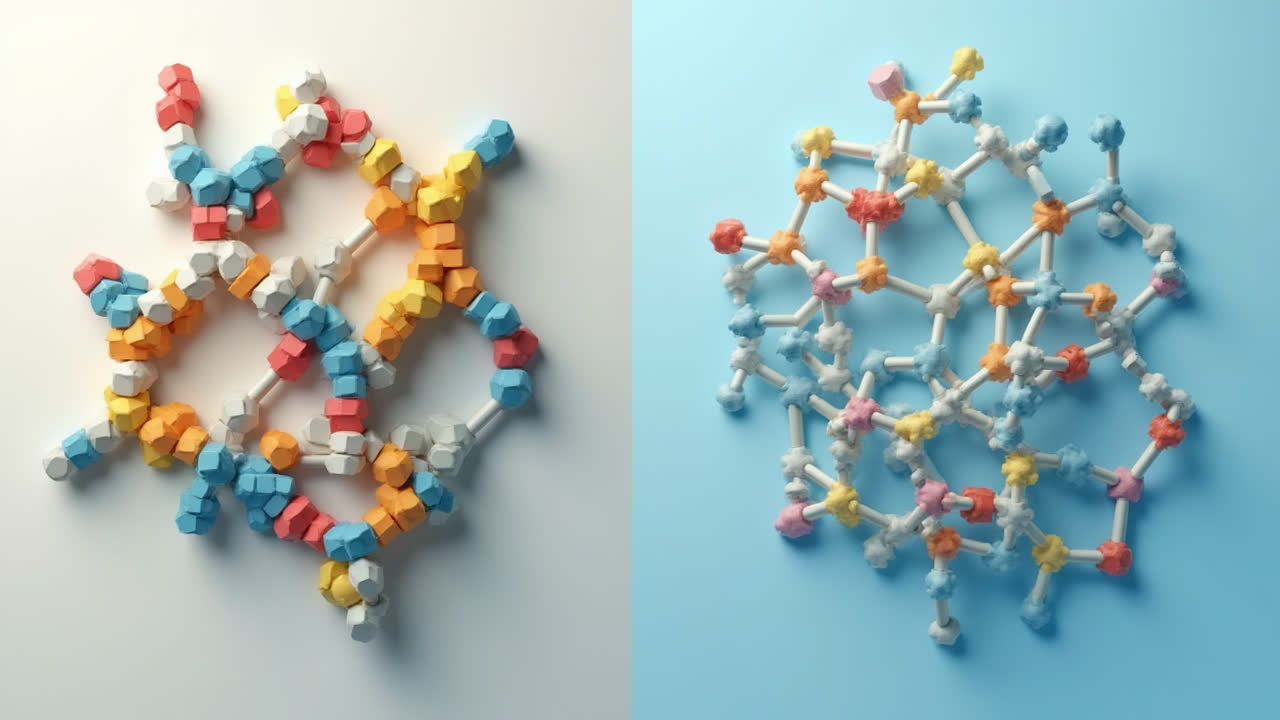
The main difference between Epsom salt and magnesium flakes lies in their chemical composition. Epsom salt consists of magnesium, sulfur, and oxygen (plus water molecules), while magnesium flakes contain magnesium, chlorine, oxygen, and water molecules. This seemingly small distinction actually leads to significant differences in how they work, how quickly they're absorbed, and what benefits they provide.
I've been using both products for years in my own wellness routine, and I've noticed the differences firsthand. Some nights when my muscles are particularly sore after a long hike, I reach for one over the other. Let's dive into the complete comparison so you can decide which might be right for your specific situation.
Understanding Epsom Salt: Composition and Benefits
Epsom salt, chemically known as magnesium sulfate heptahydrate (MgSO₄·7H₂O), has been a popular remedy for centuries. Named after the town of Epsom in England where it was originally discovered, this crystalline substance has become a bathroom staple for many wellness enthusiasts.
What makes Epsom salt unique is its crystalline structure, where all components bind together to form those familiar salt-like granules. When you dissolve Epsom salt in warm water, it breaks down into magnesium and sulfate ions. The body can then absorb these minerals through the skin during your bath soak, a process known as transdermal absorption.
The therapeutic effects of Epsom salt primarily come from its magnesium content. Magnesium plays a crucial role in over 300 enzymatic reactions in our bodies and is essential for muscle function, nerve signaling, and energy production. When your muscles are tense or sore, an Epsom salt bath can help relax those tight fibers and alleviate discomfort.
I remember the first time I tried an Epsom salt bath after an intense workout session. The next morning, that familiar post-exercise stiffness was noticeably reduced. It wasn't a miracle cure, but there was definitely a difference in how my body felt and recovered. Sometimes I'll add a few drops of lavender essential oil to enhance the relaxation benefits even further.
To create an effective Epsom salt bath, simply dissolve about 2 cups in a standard-sized bathtub filled with warm water. Soak for approximately 20-30 minutes to allow proper absorption. Many people report feelings of relaxation, reduced muscle tension, and improved sleep quality following regular Epsom salt baths.
Exploring Magnesium Flakes: Composition and Benefits
Magnesium flakes, which are essentially magnesium chloride (MgCl₂), offer an alternative approach to transdermal magnesium therapy. Unlike Epsom salt which is often manufactured, magnesium flakes typically come from natural sources like ancient seabeds or the evaporation of seawater, making them a more natural option for those concerned about minimal processing.
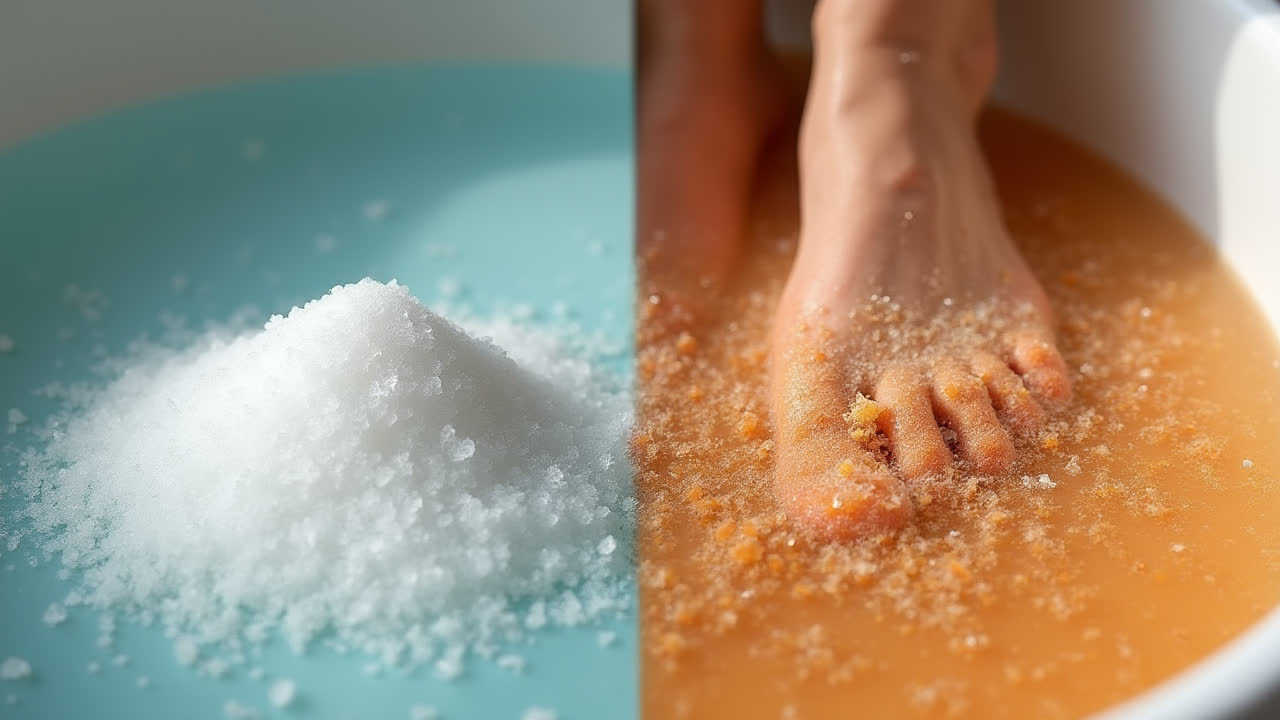
The chemical structure of magnesium flakes gives them a different texture compared to Epsom salt—they tend to have a finer, flakier appearance, which some people find more pleasant on the skin. When dissolved in water, magnesium flakes create a solution rich in magnesium ions that can be readily absorbed through the skin.
One of the most significant advantages of magnesium flakes is their higher bioavailability. The chloride form of magnesium is more easily utilized by the body compared to the sulfate form found in Epsom salt. This means that magnesium from flakes may be better absorbed and more effectively used by your body's cells and systems.
Beyond just muscle relaxation, magnesium plays a vital role in numerous bodily functions. It helps regulate neurotransmitters that calm the nervous system, supports healthy bone formation, assists in maintaining normal heart rhythm, and contributes to proper enzyme function throughout the body. For those with magnesium deficiency—which is surprisingly common in our modern diet—transdermal application through magnesium flakes can be a valuable supplementation method.
I've noticed that magnesium flake baths seem to have a more immediate calming effect on my nervous system compared to Epsom salt. There's something almost instantly soothing about them, especially when I'm dealing with stress-related tension rather than just physical muscle soreness. That said, they can be a bit more expensive than Epsom salt, so I tend to save them for when I really need that extra relaxation boost.
Side-by-Side Comparison: Epsom Salt vs Magnesium Flakes
| Feature | Epsom Salt | Magnesium Flakes |
|---|---|---|
| Chemical Composition | Magnesium Sulfate (MgSO₄·7H₂O) | Magnesium Chloride (MgCl₂) |
| Origin | Traditionally from mineral springs or chemical processes | Usually obtained through seawater evaporation |
| Texture | Larger crystals, coarser texture | Finer texture, more comfortable on skin |
| Absorption Rate | Moderate absorption through skin | Faster absorption, higher bioavailability |
| Cost | Generally less expensive | Usually more expensive |
| Primary Benefits | Muscle relaxation, sulfate benefits for detoxification | Nerve calming, better cellular absorption, cardiovascular support |
| Dissolving Speed | Dissolves quickly in warm water | May dissolve somewhat more slowly |
| Best Use Cases | Post-workout recovery, muscle soreness | Stress relief, magnesium deficiency, skin conditions |
When to Choose Epsom Salt
Epsom salt tends to be the go-to option for specific situations where its unique properties shine. If you're dealing with muscle soreness after intense physical activity, Epsom salt can be particularly effective. The combination of magnesium and sulfate ions works synergistically to relax muscle fibers and reduce inflammation associated with overexertion.
Another scenario where Epsom salt excels is for general detoxification purposes. The sulfate component plays a key role in supporting the body's natural detoxification pathways, helping to flush toxins and improve overall wellness. If you're looking for a gentle detox support, an Epsom salt bath once or twice a week might be beneficial.
From a practical standpoint, Epsom salt is also more budget-friendly and widely available. You can find it in most drug stores, supermarkets, and even dollar stores at a reasonable price, making it an accessible option for regular use. If you're new to magnesium baths and want to experiment without a significant investment, Epsom salt is a great starting point.
Some gardeners even use Epsom salt as a natural fertilizer for plants that benefit from additional magnesium, such as tomatoes, peppers, and roses. This dual-purpose nature makes it a versatile product to keep around the house. I've occasionally sprinkled some around my tomato plants when they show signs of magnesium deficiency (yellowing leaves with green veins), and it seems to perk them right up.
When to Choose Magnesium Flakes
Magnesium flakes truly stand out when addressing specific health concerns that benefit from highly bioavailable magnesium. If you're dealing with chronic stress, anxiety, or sleep issues, the superior absorption rate of magnesium chloride may provide more immediate and noticeable calming effects on your nervous system.
For those with suspected or confirmed magnesium deficiency, magnesium flakes offer a more efficient way to increase your body's magnesium levels. Modern diets, certain medications, and chronic stress can all deplete magnesium stores, and transdermal application through magnesium chloride provides a direct route that bypasses digestive system limitations.
The gentler nature of magnesium flakes makes them a better choice for those with sensitive skin conditions or when bathing children. The finer texture is less abrasive, and many users report less skin dryness compared to Epsom salt baths. If comfort during your soak is a priority, you might prefer the smoother experience of magnesium flakes.
I've found magnesium flakes particularly helpful during high-stress periods in my life. While working on tight deadlines or during major life transitions, a nighttime magnesium flake bath seems to help my mind switch off more effectively than other relaxation methods. It's become something of a ritual during these times—dim lights, some soft music, and a warm bath with magnesium flakes.
For targeted applications, you can also create a concentrated magnesium oil by dissolving magnesium flakes in a small amount of water. This solution can be sprayed directly onto sore muscles or areas of tension for a more localized effect. This versatility makes magnesium flakes particularly useful for addressing specific problem areas without requiring a full bath.
Combining Both for Optimal Benefits
While comparing Epsom salt and magnesium flakes often leads to a debate about which is superior, there's actually value in incorporating both into your wellness routine. Each offers distinct benefits that can complement one another when used strategically.
Consider using Epsom salt after physical activities when muscle recovery is your primary goal. The combination of magnesium and sulfate is particularly well-suited for addressing the specific type of soreness that comes from exercise or physical exertion. I typically use Epsom salt baths after hiking trips or intense gym sessions when my muscles need that extra recovery support.
Reserve magnesium flakes for times when your nervous system needs support—during periods of high stress, when you're struggling with sleep, or when you need to calm an overactive mind. The higher bioavailability makes it more effective for these purposes. Some people even keep a small foot bath with magnesium flakes by their bed for quick stress relief before sleep.
You can also experiment with combining both in a single bath to get the benefits of both the sulfate and chloride forms of magnesium. Try a mix of one cup Epsom salt and one cup magnesium flakes for a comprehensive soak that addresses both muscle tension and nervous system support. This combination approach gives you the detoxification benefits of sulfate along with the superior absorption of magnesium chloride.
Frequently Asked Questions
Is magnesium chloride better than Epsom salt?
Magnesium chloride (found in magnesium flakes) is not necessarily "better" than Epsom salt (magnesium sulfate), but it does have higher bioavailability, meaning your body can absorb and utilize it more efficiently. Magnesium chloride is often preferred for addressing magnesium deficiency, nervous system support, and skin conditions. However, Epsom salt has its own advantages, including sulfate benefits for detoxification and muscle recovery. The "better" option depends entirely on your specific health goals and needs.
How much magnesium flakes should I use in a bath?
For a standard-sized bathtub, use about 1-2 cups (approximately 200-400g) of magnesium flakes dissolved in warm water. For a more concentrated soak, you can increase to 3 cups, especially if addressing specific concerns like significant muscle tension or stress. For foot baths, 1/2 cup in a basin of warm water is usually sufficient. Start with smaller amounts if you're new to magnesium baths and gradually increase as your body adjusts to the mineral absorption.
Can I use Epsom salt and magnesium flakes together?
Yes, you can safely combine Epsom salt and magnesium flakes in a single bath to receive the benefits of both magnesium sulfate and magnesium chloride. A popular combination is using 1 cup of each in a full bath. This approach provides the muscle-relaxing and detoxifying properties of Epsom salt along with the superior absorption and nervous system support of magnesium flakes. This combination can be particularly effective for addressing both physical tension and stress-related symptoms simultaneously.
Conclusion: Making the Right Choice for Your Needs
The decision between Epsom salt and magnesium flakes ultimately comes down to your specific health needs, budget considerations, and personal preferences. Both offer valuable magnesium supplementation through transdermal absorption, but their unique properties make each better suited for different situations.
If muscle recovery, general relaxation, and affordable regular use are your priorities, Epsom salt remains an excellent choice that has stood the test of time. Its widespread availability and lower cost make it accessible for incorporating into your routine several times a week without breaking the bank.
For those specifically addressing magnesium deficiency, nervous system support, or skin conditions—or if you simply prefer a gentler texture—magnesium flakes offer superior bioavailability and potentially faster results. The investment may be worthwhile if these benefits align with your wellness goals.
Remember that both products are tools in your wellness arsenal, not miracle cures. Consistency in use will yield better results than occasional applications, regardless of which option you choose. And as with any health-related practice, consult with healthcare professionals if you have specific medical concerns or conditions before beginning regular magnesium soaks.
Whichever you choose, taking time for self-care through magnesium-rich baths offers benefits beyond just the mineral absorption—the act of slowing down, disconnecting from technology, and allowing yourself to relax is therapeutic in itself. In our busy modern lives, perhaps that's the most valuable benefit of all.