Hiragana vs Katakana: Complete Guide to Japanese Writing Systems
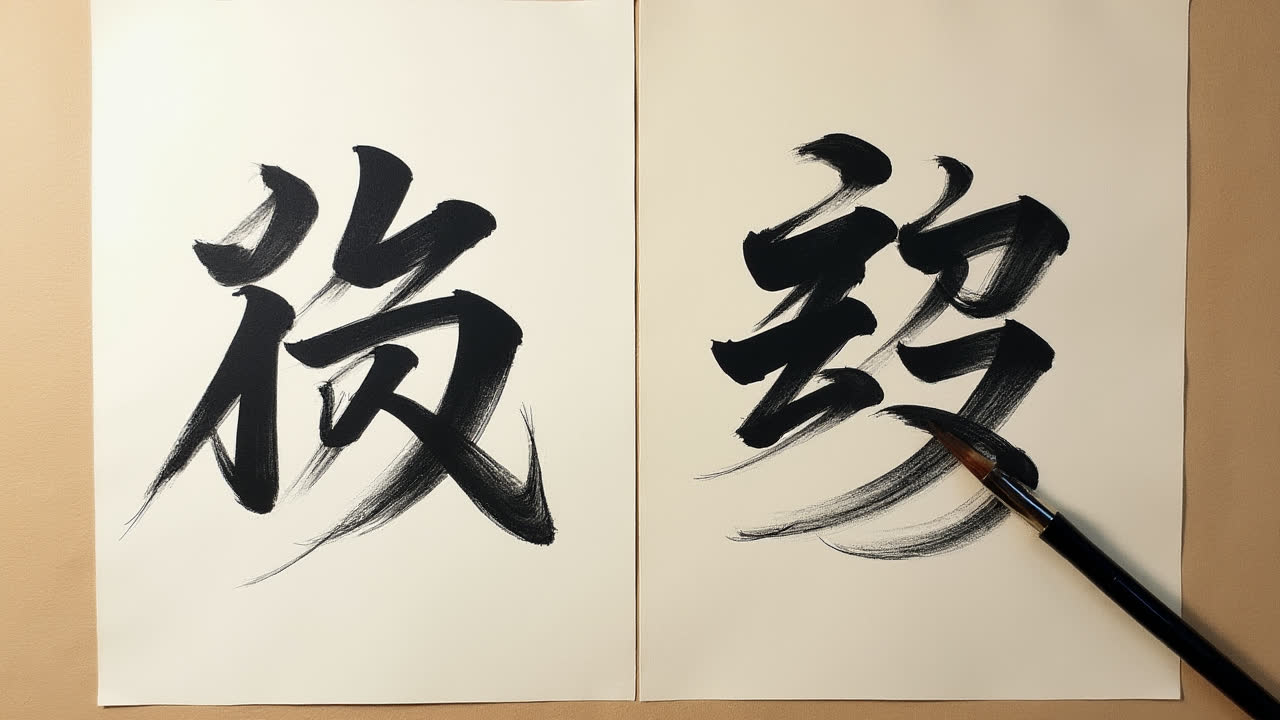
If you've ever been fascinated by Japanese writing or started learning the language, you've likely encountered the beautiful and intricate characters known as Hiragana and Katakana. These two writing systems form the foundation of Japanese text alongside Kanji, but many beginners struggle to understand their differences and when to use each one. Have you ever wondered why Japanese uses multiple writing systems in the first place? I certainly did when I first began my Japanese learning journey!
The Japanese writing system is uniquely complex, comprising three main components: Kanji (adopted Chinese characters), Romaji (Latin alphabet), and Kana (phonetic symbols). The Kana category further divides into two distinct syllabaries: Hiragana and Katakana. While they represent the same sounds, their appearance, usage, and historical development set them apart in fascinating ways.
In this comprehensive guide, we'll explore the key differences between Hiragana and Katakana, examine their specific applications, and provide practical tips to help you distinguish and master these essential components of written Japanese. Whether you're a beginner just starting your language journey or someone looking to deepen your understanding of Japanese linguistics, this article will clarify the unique roles these writing systems play in modern Japanese.
What is Hiragana? The Flowing Script of Native Japanese
Hiragana is often the first Japanese writing system taught to beginners, and for good reason. This syllabary consists of 46 basic characters that represent every sound in the Japanese language. What makes Hiragana immediately recognizable is its curved, flowing appearance—characters feature soft loops and rounded strokes that give them an elegant, cursive quality.
Historically, Hiragana evolved from simplified Chinese characters and was initially used primarily by women, as men were expected to write in the more formal Kanji. Today, it serves as the foundational writing system for native Japanese words and grammatical elements. I remember struggling with some of the similar-looking characters when I first started learning, but the fluid nature of Hiragana began to feel natural with practice.
Hiragana's primary uses include writing grammatical particles (は, が, を), verb and adjective endings, native Japanese words for which no Kanji exists or when the Kanji would be too complex for common use, and children's books before they learn Kanji. It's also commonly used for furigana—small characters printed above or beside Kanji to indicate pronunciation for less common characters.
The structure of Hiragana includes 5 vowel sounds (a, i, u, e, o), 40 consonant-vowel combinations, and a single consonant 'n'. Each character represents a specific syllable rather than an individual sound, making it a true syllabary rather than an alphabet. For instance, instead of having separate letters for 'k' and 'a', Hiragana uses a single character 'か' (ka).
What is Katakana? The Angular Script for Foreign Words
Katakana stands in stark contrast to Hiragana with its sharp, angular appearance. While representing the same sounds as Hiragana, Katakana characters feature straight lines and pointed corners, giving them a more geometric, rigid structure. This visual distinction makes it relatively easy to tell the two systems apart at a glance, even for newcomers to Japanese.
Katakana consists of 48 basic characters, slightly more than Hiragana, and was historically developed by Buddhist monks as shorthand for studying Chinese texts. In modern Japanese, Katakana serves specific and important functions that complement the other writing systems. During my time living in Tokyo, I noticed Katakana everywhere—from restaurant menus to product advertisements—highlighting its practical importance in daily Japanese life.
The primary function of Katakana is to write words borrowed from foreign languages (other than Chinese). For example, "computer" becomes "コンピューター" (konpyūtā) and "coffee" becomes "コーヒー" (kōhī). This role is somewhat similar to how italics are used in English to indicate foreign words, though Katakana's usage is more standardized and extensive.
Beyond loanwords, Katakana serves several other important purposes in written Japanese. It's used for scientific and technical terminology, company names, emphasis (similar to bold or italics in English), onomatopoeia (sound effects), and names of plants, animals, and minerals. You'll also see Katakana used for telegrams and sometimes for foreign names, though naming conventions can vary.
Key Differences Between Hiragana and Katakana
While both syllabaries represent the same sounds in Japanese, understanding their differences is crucial for proper usage and reading comprehension. The most obvious distinction lies in their visual appearance—Hiragana with its curved, flowing lines and Katakana with its straight, angular strokes. This difference isn't merely aesthetic but reflects their different historical developments and intended purposes.
Another significant difference is their application in modern Japanese. Hiragana primarily serves native Japanese words and grammatical elements, forming the backbone of the language's structure. Katakana, conversely, handles foreign loanwords and special emphasis, functioning as a way to incorporate non-Japanese vocabulary into the language. This division of labor between the two systems creates a visual distinction that helps readers immediately recognize word origins within Japanese text.
From a learning perspective, many students find Hiragana easier to master initially, perhaps due to its more frequent usage in beginning texts and its somewhat more distinctive character shapes. Katakana, with some very similar-looking characters like シ (shi) and ツ (tsu), often presents more challenges for memorization. I remember using the mnemonic that "shi" points to the upper right while "tsu" points to the upper left to keep them straight!
The number of characters also differs slightly between the two systems. Modern Hiragana uses 46 basic characters, while Katakana employs 48. Both can be modified with diacritical marks to create voiced consonants or combined to form contracted sounds, expanding their phonetic range while maintaining a relatively compact set of base characters.
Comprehensive Comparison Table: Hiragana vs Katakana
| Comparison Point | Hiragana | Katakana |
|---|---|---|
| Visual Appearance | Curved, flowing lines with loops | Straight, angular lines with sharp corners |
| Number of Basic Characters | 46 characters | 48 characters |
| Primary Usage | Native Japanese words, grammatical elements | Foreign loanwords, technical terms, emphasis |
| Historical Origin | Derived from cursive Chinese script, historically used by women | Derived from components of Chinese characters, developed by Buddhist monks |
| Learning Difficulty | Generally considered easier for beginners | Often more challenging due to similar-looking characters |
| Example Character Pairs | あ (a), か (ka), さ (sa) | ア (a), カ (ka), サ (sa) |
| Special Features | Used for furigana (reading aids for kanji) | Can express sounds not native to Japanese |
| Frequency in Text | Higher frequency in typical Japanese text | Lower frequency, context-specific usage |
Practical Applications and When to Use Each Script
Understanding when to use Hiragana versus Katakana is essential for writing proper Japanese. While there are some gray areas and stylistic choices, most usage follows well-established conventions that Japanese readers expect to see. Learning these patterns will help you not only write correctly but also read Japanese more efficiently by quickly recognizing word origins based on their script.
Hiragana is your go-to script for native Japanese words that don't have Kanji or when the Kanji would be too obscure. It's used for particles like は (wa), を (o), and に (ni) that connect parts of sentences, grammatical inflections like verb endings, and many adverbs. All Japanese sentences contain Hiragana, making it the most fundamental script to learn first. During my early days of study, focusing on mastering Hiragana gave me the confidence to start reading simple texts much more quickly.
Katakana shines when incorporating foreign elements into Japanese. Beyond obvious loanwords like "アイスクリーム" (aisukurīmu - ice cream), it's used for foreign names, scientific terms, and company names originating outside Japan. It also serves a stylistic purpose for emphasis—similar to using bold or italics in English—and appears in manga for sound effects and onomatopoeia. I've noticed Japanese advertisements often use Katakana for impact, even for words that would normally be written in Hiragana or Kanji.
In practice, these systems work together alongside Kanji to create the rich tapestry of written Japanese. A single sentence might contain all three scripts, each serving its distinct purpose. This unique aspect of Japanese writing provides visual cues about word origins and functions that aren't available in single-script languages, creating an efficient but complex system that rewards the dedicated language learner with deeper insights into Japanese culture and thought patterns.
Frequently Asked Questions About Hiragana and Katakana
Which should I learn first, Hiragana or Katakana?
Most Japanese language courses and teachers recommend learning Hiragana first, followed by Katakana. This sequence makes sense because Hiragana appears more frequently in basic Japanese text and forms the grammatical backbone of the language. Once you're comfortable reading and writing Hiragana, Katakana will feel more approachable since it represents the same sounds but with different symbols. However, some learners prefer to learn both simultaneously, finding that comparing the two systems helps with memorization. Whichever approach you choose, consistent practice with both is key to Japanese literacy.
How long does it take to learn Hiragana and Katakana?
With dedicated study, most learners can memorize the basic Hiragana characters in about 1-2 weeks, with Katakana taking approximately the same amount of time afterward. However, true fluency—being able to read and write without hesitation—typically takes several more weeks of consistent practice. Many successful learners report studying 30-60 minutes daily, using flashcards, writing practice, and reading simple texts. Remember that everyone's learning pace differs, and the goal should be comfortable recognition and usage rather than racing through memorization. Regular review and practical application in context will solidify your knowledge more effectively than cramming.
Can a Japanese sentence contain both Hiragana and Katakana?
Yes, absolutely! In fact, it's very common for Japanese sentences to contain both Hiragana and Katakana, along with Kanji. A typical sentence might use Hiragana for grammatical elements and native words, Katakana for foreign loanwords or emphasized terms, and Kanji for content words of Japanese or Chinese origin. For example, in the sentence "私はコーヒーを飲みます" (Watashi wa kōhī o nomimasu - "I drink coffee"), "私" (I) and "飲みます" (drink) use Kanji, "は" and "を" are grammatical particles in Hiragana, and "コーヒー" (coffee) is a foreign loanword in Katakana. This mixed-script approach is one of the unique features of written Japanese.
Conclusion: Embracing the Dual Kana Systems
The parallel systems of Hiragana and Katakana represent a fascinating aspect of Japanese writing that reflects both historical development and practical functionality. While learning two syllabaries instead of one might seem challenging at first, their distinct visual characteristics and specialized uses actually help create a more nuanced and efficient writing system.
For Japanese language learners, mastering both Hiragana and Katakana is an essential first step toward literacy. These syllabaries provide the phonetic foundation upon which further knowledge of Kanji and vocabulary can be built. The good news is that once you learn one system, the other follows the same sound patterns, making the second syllabary easier to acquire.
Rather than seeing them as redundant systems, appreciate how Hiragana and Katakana work together to give written Japanese its distinctive character and functionality. This dual approach allows readers to instantly recognize word origins and emphasis through script choice alone—a clever visual solution that adds efficiency to reading comprehension. As you continue your Japanese learning journey, you'll find that the initial effort to learn both syllabaries pays rich dividends in your ability to navigate this beautiful and complex language.
Have you started learning either of these fascinating writing systems yet? Whether you're just beginning or already on your way to mastery, consistent practice and exposure to authentic Japanese text will help solidify your understanding of when and how to use Hiragana and Katakana appropriately. Good luck with your studies, and enjoy the unique beauty of Japanese writing!