Hypoxia vs Hypoxemia: Critical Differences You Need to Know
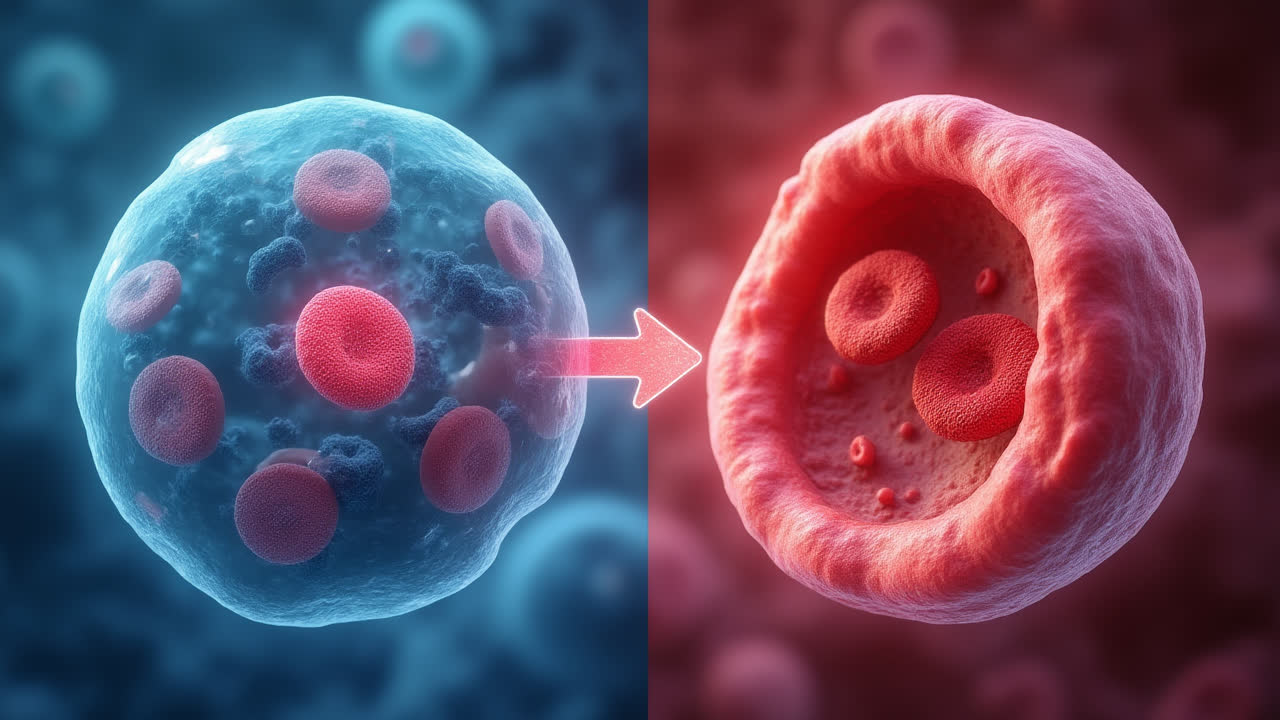
Have you ever wondered why some medical terms sound so similar yet refer to completely different conditions? Hypoxia and hypoxemia are perfect examples of this confusion in medical terminology. Though they both relate to oxygen problems in the body, understanding their differences could literally be a matter of life and death in certain situations.
When someone struggles to breathe or shows signs of oxygen deficiency, knowing whether they're experiencing hypoxia or hypoxemia helps medical professionals determine the appropriate treatment approach. The distinction isn't just medical jargon—it represents fundamentally different physiological processes that require specific interventions.
In this comprehensive guide, we'll explore the crucial differences between these two conditions, their causes, symptoms, and treatment options. Whether you're a healthcare student, someone with respiratory concerns, or simply curious about human physiology, this knowledge could prove invaluable.
What is Hypoxia?
Hypoxia occurs when body tissues don't receive adequate oxygen to function properly. This condition represents a tissue-level oxygen deficiency, meaning the problem exists at the cellular level where oxygen is actually used. It's like having a fuel shortage in your car's engine—the machinery can't run properly without sufficient fuel.
What makes hypoxia particularly concerning is that it directly affects cellular metabolism. Our cells require oxygen to produce energy through a process called aerobic respiration. Without sufficient oxygen, cells switch to less efficient energy production methods, which can't sustain normal function for long. This is why hypoxic tissues quickly begin to malfunction and can become permanently damaged if the condition persists.
Interestingly, hypoxia doesn't have a direct laboratory measurement value like many other medical conditions. Instead, it's identified through a combination of clinical symptoms, risk factors, and the presence of conditions known to cause tissue oxygen deficiency. This makes recognizing the signs of hypoxia particularly important for early intervention.
The body's response to hypoxia is remarkably adaptive, with various compensatory mechanisms kicking in to protect vital organs. However, these adaptations can only compensate for so long before more serious complications develop.
Signs and Symptoms of Hypoxia
When tissues don't receive enough oxygen, the body responds with various compensatory mechanisms that produce noticeable symptoms. These warning signs often develop gradually but can progress rapidly in severe cases:
- Increased heart rate and stronger heart contractions (the heart works harder to circulate available oxygen)
- Shortness of breath, difficulty breathing, and wheezing (respiratory system tries to increase oxygen intake)
- Sweating and heart palpitations (stress response to oxygen shortage)
- Cyanosis – a bluish discoloration of skin, lips, or nail beds (indicating poor peripheral circulation)
- Various skin color changes depending on the cause (blue, cherry red, or pale)
- Confusion, dizziness, or altered mental status (brain cells are particularly vulnerable to oxygen deficiency)
- Fatigue and weakness (muscles can't produce enough energy without adequate oxygen)
- Headaches (cerebral blood vessels dilate in response to low oxygen)
These symptoms can vary in intensity depending on how severe the oxygen deprivation is and how quickly it develops. Someone with chronic, mild hypoxia might primarily experience fatigue and slight shortness of breath with exertion. In contrast, a person with acute, severe hypoxia could rapidly develop confusion, extreme shortness of breath, and lose consciousness.
Causes of Hypoxia
Hypoxia can develop from numerous underlying conditions and environmental factors. Understanding these causes helps in both prevention and treatment:
Based on Distribution:
- Localized hypoxia: Affects a specific area of the body, such as a limb or facial tissue. Often caused by restricted blood flow to that area.
- Generalized hypoxia: Involves the whole body and is sometimes called anoxia when there's complete oxygen deprivation. This is more immediately life-threatening.
Common Causes Include:
- Blood disorders like anemia (reduced functional hemoglobin that carries oxygen)
- Heart conditions (congenital defects, heart failure, valve dysfunction)
- Lung diseases (COPD, emphysema, bronchitis, pulmonary edema)
- Carbon monoxide poisoning (CO binds to hemoglobin more strongly than oxygen)
- High altitude exposure (lower atmospheric oxygen pressure)
- Physical trauma affecting blood flow or breathing
- Severe asthma attacks restricting airflow
- Sleep apnea (breathing interruptions during sleep)
- Seizures that affect normal breathing patterns
One particularly interesting cause is high-altitude hypoxia, which can affect otherwise healthy individuals. As elevation increases, atmospheric pressure decreases, resulting in less oxygen per breath. This can lead to altitude sickness and, in severe cases, life-threatening conditions like High Altitude Pulmonary Edema (HAPE) or High Altitude Cerebral Edema (HACE). Mountain climbers and visitors to high-elevation locations need to be particularly aware of these risks.
Prevention and Treatment of Hypoxia
Preventing hypoxia largely depends on addressing underlying risk factors and causes. Several approaches can reduce the risk:
- Managing respiratory conditions like asthma with appropriate medications
- Regular physical exercise to improve cardiovascular fitness
- Maintaining a balanced diet rich in iron and nutrients for healthy red blood cells
- Treating underlying heart or lung conditions promptly
- Proper acclimatization when traveling to high altitudes
- Installing carbon monoxide detectors in homes
- Avoiding smoking and secondhand smoke exposure
- Recognizing early warning signs to seek medical attention quickly
Treatment approaches vary based on severity and cause but typically include:
- Supplemental oxygen therapy to increase oxygen availability
- Addressing the underlying cause (treating anemia, heart conditions, etc.)
- Mechanical ventilation for severe cases to assist breathing
- Blood transfusions when necessary to improve oxygen-carrying capacity
- Medications to improve heart function or airway clearance
- Emergency descent from high altitudes if altitude sickness occurs
I've seen firsthand how prompt recognition and treatment of hypoxia can make a dramatic difference in patient outcomes. In emergency settings, treatment often begins with the simple but effective step of providing supplemental oxygen while diagnostic work continues to identify the underlying cause.
What is Hypoxemia?
While hypoxia refers to inadequate oxygen at the tissue level, hypoxemia specifically indicates reduced oxygen levels in the bloodstream. More precisely, it's defined as a decrease in arterial oxygen tension or partial pressure of oxygen (PaO₂) below 80-100 mmHg. Unlike hypoxia, hypoxemia can be directly measured through blood gas analysis, making it more objectively definable.
Think of hypoxemia as a transportation problem—there's not enough oxygen being carried in the blood vessels that serve as highways to your tissues. The blood itself isn't delivering adequate oxygen, regardless of whether the tissues can use it properly or not.
What makes hypoxemia particularly important to understand is that it frequently leads to hypoxia. When blood can't deliver enough oxygen, tissues eventually suffer. However, the body has remarkable compensatory mechanisms that can sometimes maintain adequate tissue oxygenation despite mild hypoxemia, at least for short periods. These include increasing heart rate and cardiac output, redistributing blood flow to prioritize vital organs, and adjusting respiratory rate.
Hypoxemia is common in hospital settings, particularly among patients with respiratory or cardiac conditions. Medical professionals routinely monitor oxygen saturation levels using pulse oximetry as a non-invasive way to screen for potential hypoxemia, though arterial blood gas testing provides the most accurate diagnosis.
Causes of Hypoxemia
Hypoxemia develops through several distinct physiological mechanisms, each with different underlying causes:
- Ventilation-perfusion mismatch: When air and blood flow aren't properly matched in the lungs (the most common cause)
- Hypoventilation: Inadequate breathing that doesn't fully exchange gases in the lungs
- Right-to-left shunt: Blood bypassing the lungs without picking up oxygen
- Diffusion impairment: Problems with oxygen moving from air sacs into the bloodstream
- Low environmental oxygen: Decreased oxygen in the air (high altitude, confined spaces)
Common medical conditions that frequently cause hypoxemia include:
- Chronic obstructive pulmonary disease (COPD)
- Airway obstruction from foreign bodies or anatomical abnormalities
- Acute respiratory distress syndrome (ARDS)
- Pneumonia and other lung infections
- Pneumothorax (collapsed lung)
- Pulmonary embolism (blood clot in the lungs)
- Pulmonary edema (fluid in the lungs)
- Congenital heart defects and valve dysfunction
- Drug-induced respiratory depression
Smoking deserves special mention as a significant risk factor for developing hypoxemia. Long-term smoking damages lung tissues, impairs ciliary function (tiny hair-like structures that help clear airways), and increases mucus production—all contributing to poor oxygen exchange. Even in the absence of diagnosed disease, smokers often have lower baseline oxygen levels than non-smokers.
Signs, Symptoms and Treatment of Hypoxemia
Recognizing hypoxemia can be challenging because symptoms often overlap with other conditions and may develop gradually. Common indicators include:
- Shortness of breath (dyspnea), especially with activity
- Restlessness and anxiety
- Headaches and mental status changes
- Cyanosis (bluish discoloration of skin, lips, or nails)
- Rapid heart rate (tachycardia)
- Rapid breathing (tachypnea)
- Elevated blood pressure
- Confusion or decreased alertness in severe cases
The effectiveness of the body's compensatory mechanisms plays a significant role in determining how severely these symptoms manifest. Someone with chronic hypoxemia might show fewer obvious symptoms due to adaptation, while acute hypoxemia often produces more dramatic and noticeable effects.
Treatment strategies for hypoxemia focus on improving blood oxygen levels and addressing underlying causes:
- Supplemental oxygen therapy (via nasal cannula, mask, or high-flow systems)
- Mechanical ventilation for severe cases
- Medications to improve airway function (bronchodilators, steroids)
- Antibiotics for infectious causes like pneumonia
- Diuretics for pulmonary edema
- Blood thinners for pulmonary embolism
- Positional therapy (prone positioning in some ARDS cases)
- Surgery for structural abnormalities or certain congenital heart defects
The approach to treatment varies based on severity, cause, and whether the condition is acute or chronic. For example, someone with chronic COPD-related hypoxemia might receive long-term home oxygen therapy, while a patient with acute hypoxemia from pneumonia would require different interventions focused on treating the infection while supporting oxygenation.
Key Differences Between Hypoxia and Hypoxemia
Understanding the distinctions between hypoxia and hypoxemia is crucial for proper diagnosis and treatment. Let's compare these conditions across several important dimensions:
| Comparison Point | Hypoxia | Hypoxemia |
|---|---|---|
| Definition | Reduced oxygen supply at the tissue level | Low oxygen levels in arterial blood (PaO₂ below 80-100 mmHg) |
| Location | Occurs in body tissues and cells | Occurs in the bloodstream |
| Measurement | Not directly measurable by a laboratory value | Directly measurable via arterial blood gas analysis |
| Primary Indicators | Clinical symptoms and tissue dysfunction | Reduced PaO₂ or oxygen saturation in blood tests |
| Relationship | Can occur without hypoxemia (e.g., in carbon monoxide poisoning) | Often leads to hypoxia if severe or prolonged |
| Primary Treatment Focus | Improving oxygen delivery to tissues and cellular utilization | Increasing oxygen content in blood |
| Diagnostic Approach | Clinical evaluation and assessment of risk factors | Blood gas analysis and pulse oximetry |
| Examples of Causes | Carbon monoxide poisoning, anemia, circulatory failure | COPD, pneumonia, pulmonary embolism, ARDS |
The relationship between these conditions is worth emphasizing: while hypoxemia frequently leads to hypoxia, not all cases of hypoxia result from hypoxemia. Sometimes tissues can't properly use the oxygen in blood (as in cyanide poisoning, which interferes with cellular respiration), or blood flow to tissues is restricted despite normal blood oxygen levels (as in localized ischemia).
I've noticed that medical professionals often use a helpful analogy: hypoxemia is like having too little fuel in the delivery truck, while hypoxia is like having too little fuel reaching the engine where it's actually needed. Both problems affect the same system but in different ways and at different points.
Frequently Asked Questions About Hypoxia and Hypoxemia
Can you have hypoxemia without hypoxia?
Yes, you can have hypoxemia without hypoxia, particularly in mild cases. The body has several compensatory mechanisms that can maintain adequate tissue oxygenation despite reduced oxygen levels in the blood. These include increasing heart rate and cardiac output, redistributing blood flow to prioritize vital organs, and adjusting the oxygen-hemoglobin dissociation curve to release more oxygen to tissues. However, if hypoxemia becomes severe or prolonged, these compensatory mechanisms will eventually fail, leading to hypoxia at the tissue level.
How is oxygen saturation related to hypoxemia?
Oxygen saturation represents the percentage of hemoglobin binding sites in the blood that are carrying oxygen. Normal oxygen saturation (SpO₂) ranges from 95-100%. Hypoxemia typically causes a decrease in oxygen saturation, with values below 90% generally considered abnormal. While pulse oximetry provides a convenient, non-invasive way to estimate oxygen saturation, it's important to note that it's not always reliable in certain conditions like carbon monoxide poisoning, severe anemia, or poor peripheral circulation. Additionally, oxygen saturation can sometimes appear normal despite low partial pressure of oxygen (PaO₂) in the blood, especially in conditions affecting the oxygen-hemoglobin dissociation curve.
What's the difference between acute and chronic hypoxemia?
Acute hypoxemia develops rapidly (minutes to hours) and often presents with dramatic symptoms like severe shortness of breath, confusion, and anxiety. It represents a medical emergency requiring immediate intervention. Causes include acute respiratory distress syndrome, severe pneumonia, pulmonary embolism, or acute asthma attacks. In contrast, chronic hypoxemia develops gradually over weeks to years, allowing the body time to adapt. Symptoms may be more subtle, like mild exertional shortness of breath, fatigue, or slight cognitive impairment. Common causes include COPD, interstitial lung disease, or long-standing heart failure. Treatment approaches differ significantly between acute and chronic hypoxemia, with acute cases requiring rapid oxygen supplementation and often mechanical ventilation, while chronic cases focus more on long-term management strategies and addressing underlying causes.
Understanding the Critical Distinction
The difference between hypoxia and hypoxemia isn't just semantic—it represents a fundamental distinction in how oxygen problems manifest in the body. Hypoxemia specifically refers to low oxygen levels in the blood, while hypoxia indicates insufficient oxygen reaching the tissues where it's actually needed for cellular function.
This distinction guides medical professionals in both diagnosis and treatment. For instance, a patient with carbon monoxide poisoning might have normal blood oxygen levels (no hypoxemia) but severe tissue oxygen deficiency (hypoxia) because the hemoglobin molecules are occupied by carbon monoxide instead of oxygen. This would require a different treatment approach than someone with COPD who has low blood oxygen (hypoxemia) leading to tissue hypoxia.
Whether you're a healthcare student, someone with a respiratory condition, or simply interested in human physiology, understanding these differences provides valuable insight into how our bodies use and depend on oxygen. Recognizing the signs of oxygen deficiency—whether in the blood or tissues—can be literally lifesaving in emergency situations.
Remember, if you or someone you know experiences symptoms like unexpected shortness of breath, confusion, or bluish discoloration of the skin, seek medical attention promptly. These could be signs of either hypoxemia or hypoxia—both of which require proper medical evaluation and potentially urgent intervention.