iPhone XS vs XR: Which Apple Device Is Right For You in 2026?
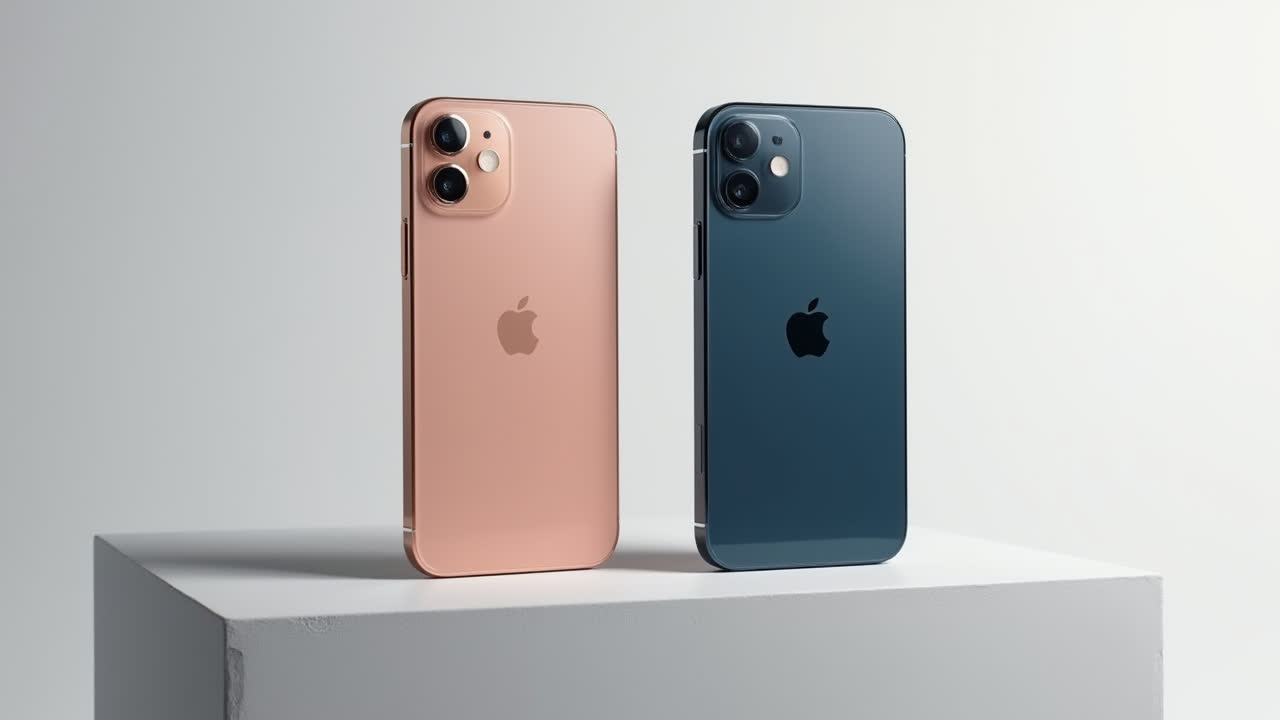
Choosing between iPhone XS and XR models can be challenging even years after their initial release. While both remain popular choices in the used smartphone market, understanding their key differences is essential to making the right decision for your needs and budget. This comprehensive comparison breaks down everything you need to know about these two iconic Apple devices.
The main distinction between these models lies in their display technology, with the XS featuring a premium OLED screen while the XR uses LCD technology. However, several other factors including camera capabilities, battery performance, and design materials also set these devices apart. Let's dive deeper into what makes each of these iPhones unique.
Understanding iPhone XR: Features and Specifications
The iPhone XR represents Apple's approach to creating a more affordable flagship device without sacrificing too many premium features. Its 6.1-inch Liquid Retina LCD display offers a resolution of 1792 x 828 pixels at 326 pixels per inch. While this resolution is lower than what you'll find on the XS, the screen quality remains impressive for everyday use.
One of the XR's standout advantages is its superior battery performance. Thanks to the less power-hungry LCD technology and a larger physical size, the XR consistently outlasts the XS in battery tests. This makes it an excellent choice for users who prioritize all-day usage without frequent recharging.
In terms of design, the XR features a slightly thicker bezel compared to the XS due to the limitations of LCD technology. However, it makes up for this with a wider range of vibrant color options including blue, yellow, coral, and red, alongside the standard black and white variants. The aluminum frame, while not as premium as stainless steel, helps keep the price lower while maintaining durability.
Camera technology is where you'll notice more significant compromises, as the XR comes with a single 12MP wide-angle lens rather than a dual-camera system. Despite this limitation, Apple's computational photography features still enable portrait mode photos through software, though with some restrictions compared to the dual-lens implementation.
Exploring iPhone XS: Premium Features and Capabilities
The more luxurious iPhone XS showcases Apple's commitment to high-end smartphone design and technology. Its 5.8-inch Super Retina OLED display delivers a resolution of 2436 x 1125 at 458 pixels per inch, resulting in noticeably sharper text and images compared to the XR. The OLED technology enables perfect blacks and more vibrant colors, making it superior for media consumption, particularly in darker environments.
Photography enthusiasts will appreciate the XS's dual 12MP camera system, which combines wide and telephoto lenses. This configuration enables true 2x optical zoom without quality loss and creates more natural portrait mode effects with better edge detection around subjects. The additional lens also provides more versatility for different shooting scenarios.
The premium feel of the XS is reinforced by its stainless steel frame, which offers a more luxurious hand-feel compared to the aluminum on the XR. The display extends closer to the edges with thinner bezels, creating a more immersive visual experience. However, these premium materials do add slightly to the device's weight despite its smaller overall dimensions.
While both devices share the same A12 Bionic processor, ensuring nearly identical performance for most tasks, the XS includes 4GB of RAM compared to the XR's 3GB. This additional memory primarily benefits multitasking when running multiple demanding applications simultaneously, though the difference isn't dramatically noticeable in everyday use.
Key Similarities Between iPhone XS and XR
Despite their differences, these iPhone models share several important features. Both are powered by Apple's A12 Bionic chip, which delivers exceptional performance for applications and games. This processor remains capable even by today's standards, handling most modern apps without significant slowdowns.
Both devices support Face ID technology for secure biometric authentication, eliminating the need for fingerprint scanning. The edge-to-edge screen design (with the notorious notch) gives both phones a modern appearance that hasn't aged poorly, even compared to newer iPhone generations.
Software support has continued for both models through multiple iOS updates, though they're approaching the end of their software lifecycle. Both devices include wireless charging capabilities, IP67/68 water resistance (with the XS offering slightly better protection), and compatibility with Apple's ecosystem of services and accessories.
Detailed Comparison: iPhone XS vs XR
| Feature | iPhone XS | iPhone XR |
|---|---|---|
| Display Type | 5.8-inch Super Retina OLED | 6.1-inch Liquid Retina LCD |
| Resolution | 2436 x 1125 at 458 ppi | 1792 x 828 at 326 ppi |
| Camera System | Dual 12MP (wide + telephoto) | Single 12MP wide |
| Optical Zoom | 2x optical zoom | Digital zoom only |
| Frame Material | Stainless steel | Aluminum |
| Battery Life | Good | Better (longer lasting) |
| Color Options | Gold, Silver, Space Gray | Blue, Yellow, Coral, Red, Black, White |
| Water Resistance | IP68 (2m for 30 minutes) | IP67 (1m for 30 minutes) |
Who Should Choose iPhone XS?
The iPhone XS remains an excellent choice for users who prioritize display quality and camera capabilities. If you frequently watch videos, edit photos, or simply appreciate the deeper blacks and more vibrant colors of OLED technology, the XS offers a noticeably better visual experience. Photography enthusiasts will benefit from the dual-lens system's versatility, particularly for portrait photography and situations requiring optical zoom.
Those who prefer a slightly smaller form factor might also gravitate toward the XS, as its 5.8-inch screen makes for a more compact device that's easier to use with one hand compared to the larger XR. The premium stainless steel construction also appeals to users who appreciate luxury materials and are willing to pay a bit more for that refined aesthetic.
Have you ever noticed how some people instinctively reach for the more premium option even when the practical differences are minimal? I've seen friends insist on the XS simply for the satisfaction of having the better model, even when they rarely use the advanced features that distinguish it from the XR. There's nothing wrong with that approach if you have the budget!
Who Should Choose iPhone XR?
The iPhone XR represents exceptional value, particularly for users who prioritize battery life and aren't concerned with having the absolute best display or camera system. Its LCD screen is still quite good for everyday use, and most casual users won't notice significant disadvantages compared to the OLED panel in the XS during typical tasks like browsing social media, checking email, or casual gaming.
The XR's better battery performance makes it ideal for heavy users who need their phone to last through long days without recharging. Additionally, the wider range of vibrant color options allows for more personalization compared to the more conservative color palette of the XS models.
Budget-conscious buyers will appreciate that the XR delivers nearly all of the core iPhone experience at a lower price point. The single camera, while lacking telephoto capabilities, still produces excellent photos for most situations. If you're not a photography enthusiast who needs optical zoom or the most perfect portrait mode effects, the XR's camera system remains more than adequate.
Frequently Asked Questions About iPhone XS vs XR
Is the iPhone XS worth the extra money over the XR?
Whether the iPhone XS justifies its higher price depends on your priorities. If you value superior display quality (OLED vs LCD), a more premium build (stainless steel vs aluminum), and advanced camera capabilities (dual lens vs single lens), then the extra investment may be worthwhile. However, if you prioritize battery life and don't need the absolute best screen or camera, the XR offers better value while still delivering excellent overall performance.
Do iPhone XS and XR still receive software updates in 2026?
Both iPhone XS and XR are approaching the end of their official software support lifecycle by 2026. While they may receive occasional security updates, they likely won't support the latest iOS features introduced in recent versions. This is an important consideration for buyers, as newer iPhone models will continue receiving full software support for several more years. If having the latest features is important to you, you might want to consider a more recent iPhone model.
Is the camera difference between iPhone XS and XR significant for casual users?
For casual photography, the difference between iPhone XS and XR cameras is noticeable but not dramatic. The XR's single-lens camera takes excellent photos in good lighting conditions and can even create portrait mode effects through software. However, the XS offers more versatility with its telephoto lens for optical zoom and creates more natural-looking portrait photos with better edge detection. If you primarily take casual snapshots for social media, the XR's camera is perfectly adequate. Photography enthusiasts who frequently use zoom or take lots of portrait photos will appreciate the XS's dual-camera system.
Conclusion: Making Your Choice Between iPhone XS and XR
When deciding between the iPhone XS and XR, consider your priorities and how you typically use your smartphone. The XR offers tremendous value with its excellent battery life, good-enough display, and capable camera system. For most users who primarily browse the web, use social media, play casual games, and take occasional photos, the XR provides everything needed in a more affordable package with more color options.
The XS caters to users who demand premium features: a higher-quality OLED display, more versatile camera system, and luxury build materials. If photography is important to you, you consume a lot of media content where display quality matters, or you simply prefer the most premium option available, the XS justifies its higher price.
Both devices share the same powerful A12 Bionic processor, Face ID technology, and overall design language, ensuring a smooth iOS experience regardless of which model you choose. In the end, your decision should come down to whether the XS's premium features justify its higher cost for your specific needs and preferences. After all, the best iPhone is the one that fits your lifestyle, not necessarily the one with the most impressive spec sheet.