Landing Page vs Website: 7 Critical Differences You Need to Know
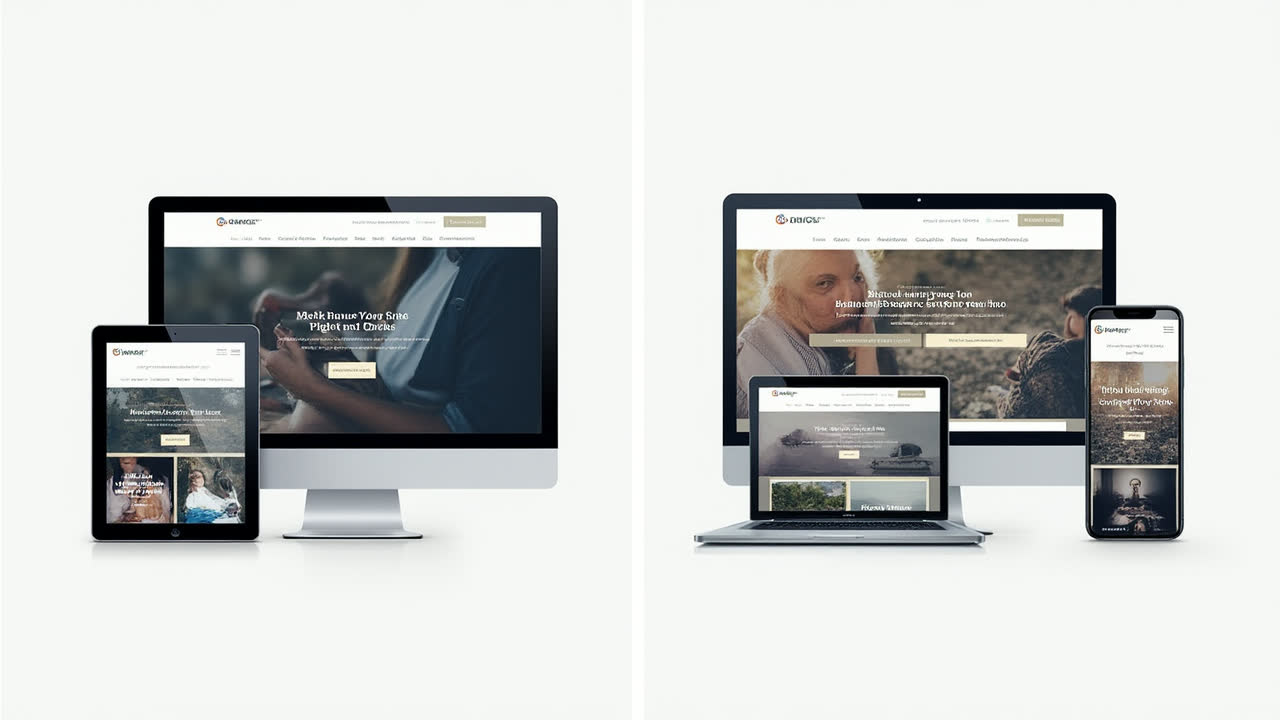
What is a Landing Page? Understanding the Basics
A landing page is a standalone web page designed with a single focused objective. Unlike regular web pages, landing pages are created with conversion in mind – whether that's collecting email addresses, generating sales, or encouraging downloads. I've built dozens of landing pages for clients, and the most successful ones follow a simple rule: one page, one purpose.
Think of a landing page as a digital salesperson focused on a single product or offer. It appears when someone clicks on a marketing link, such as from Google Ads, social media, or email campaigns. The page is streamlined to guide visitors toward a specific call-to-action (CTA) without the distractions of navigation menus or additional content.
Landing pages are conversion machines when done right. I once created a landing page for a software product that increased conversion rates by 78% compared to directing traffic to the main website. Why? Because the landing page addressed specific pain points mentioned in the ad that brought visitors there, creating a cohesive experience from click to conversion.
Key characteristics that make landing pages effective include:
- Focused messaging targeting a specific audience segment
- Limited or no navigation options to prevent visitors from wandering off
- A prominent call-to-action that stands out visually
- Concise, benefit-driven content that addresses visitor needs
- Social proof elements like testimonials or trust badges
- Forms optimized for conversion (when lead generation is the goal)
What is a Website? The Digital Home Base
A website is a collection of interconnected web pages united under a single domain name. While landing pages serve specific campaigns, websites function as your complete digital presence. Have you ever found yourself clicking through multiple pages of a company's site to learn about their services, team, and values? That comprehensive browsing experience is exactly what websites are designed to provide.
Websites typically include various sections such as a homepage, about us, services/products, blog, and contact information. Each page serves a different purpose in telling your brand's complete story. Rather than focusing on a single conversion goal, websites aim to build trust, establish authority, and provide information about all aspects of your business.
I remember working with a client who initially wanted just a landing page for their new business. After discussing their goals, we realized they needed a full website to showcase their portfolio, share client testimonials, and establish industry credibility. The website became their 24/7 business representative, while targeted landing pages were later developed for specific marketing campaigns.
Modern websites are more than just digital brochures—they're interactive platforms that can:
- Tell your brand story across multiple pages
- Provide comprehensive information about your products or services
- Host blog content to drive organic traffic through SEO
- Showcase your portfolio or case studies
- Connect visitors to your social media profiles
- Offer multiple conversion paths for different user needs
Landing Page vs Website: A Detailed Comparison
Understanding when to use a landing page versus a website can significantly impact your digital marketing success. While both are valuable tools, they serve fundamentally different purposes. Let's examine their key differences to help you decide which option best suits your current needs.
| Comparison Point | Landing Page | Website |
|---|---|---|
| Purpose | Convert visitors for a specific action | Provide comprehensive information and multiple conversion options |
| Number of Pages | Single page | Multiple interconnected pages |
| Navigation | Limited or none | Full menu navigation with multiple paths |
| Content Focus | Specific offer or solution | Complete brand or business information |
| Design Focus | Conversion optimization | User experience and information architecture |
| Audience | Specific target segment | Various visitor types with different needs |
| Longevity | Often temporary for campaigns | Permanent digital presence |
| SEO Approach | Focused on specific keywords for paid traffic | Broad SEO strategy for organic growth |
When to Use a Landing Page Instead of a Website
So when should you choose a landing page over a website? Based on my experience with dozens of marketing campaigns, landing pages excel in specific scenarios where focused conversion is the primary goal. You might be wondering, "Couldn't I just send traffic to my website instead?" You could, but you'd likely see lower conversion rates.
Landing pages shine brightest when you're running targeted advertising campaigns, especially pay-per-click (PPC) ads. Why spend money on ads only to send visitors to a general website where they might get distracted? A landing page that matches the ad's messaging creates a consistent experience that keeps visitors moving toward conversion.
I've also found landing pages particularly effective for:
- Product launches where you need to generate excitement and collect early interest
- Lead generation campaigns offering valuable content in exchange for contact information
- Event registrations where the sign-up process should be straightforward and focused
- Limited-time offers that require immediate action
- A/B testing different messaging or design elements to optimize conversion rates
Remember that landing page doesn't mean low-quality. Even though it's a single page, the design, copy, and user experience should be top-notch. I once saw a client's conversion rate jump from 2.3% to 7.8% simply by improving the layout and messaging of their landing page to better match their audience's expectations. The magic happens when your landing page feels like the natural next step after clicking your ad.
When a Full Website Makes More Sense
While landing pages are conversion powerhouses, there are many situations where a complete website is the better choice. If you're establishing a long-term online presence, a website provides the foundation you need to build credibility and trust with your audience over time.
From my work with small businesses and startups, I've noticed that having a comprehensive website becomes especially important when:
- You offer multiple products or services that need detailed explanation
- Your business model is complex or innovative, requiring educational content
- You're looking to establish thought leadership in your industry through blogs and resources
- Your customers typically research extensively before making purchase decisions
- You need to showcase a portfolio of work or case studies
- Local SEO and organic discovery are important parts of your strategy
One client I worked with initially wanted just a landing page for their consulting business. After discussing their goals, we realized potential clients needed to see their expertise, methodology, and results before making contact. We built a website that told their complete story, and within six months, they were generating more leads through organic search than through their paid campaigns.
The beauty of modern web development is that you don't have to choose between having a website and using landing pages. A strategic approach often incorporates both: a comprehensive website for your overall brand presence, supplemented by targeted landing pages for specific campaigns or offers. This hybrid approach gives you the best of both worlds—the credibility of a full website with the conversion power of dedicated landing pages.
Technical Considerations: Building Landing Pages vs Websites
When it comes to the actual development process, landing pages and websites differ significantly in complexity, cost, and maintenance requirements. Landing pages are generally simpler to create, with many marketing platforms offering drag-and-drop templates that can be launched in hours. Websites, on the other hand, typically require more planning, custom development, and ongoing maintenance.
If you're weighing your options from a technical standpoint, consider these practical differences:
For landing pages, you'll typically need:
- A landing page builder like Unbounce, Instapage, or similar platform
- Copy focused on a single offer or conversion goal
- A compelling headline and supporting visuals
- A well-designed form (if collecting information)
- Integration with your CRM or email marketing platform
For websites, you'll generally require:
- A content management system (CMS) like WordPress or similar platform
- A domain name and hosting solution
- Website structure planning and information architecture
- Multiple pages of content covering various aspects of your business
- Navigation design and user experience considerations
- Responsive design for various devices and screen sizes
- SEO strategy for multiple pages and content types
- Regular updates and maintenance
Having built both landing pages and websites for clients across different industries, I can tell you that the technical complexity often influences the timeline and budget. A simple landing page might be ready in a day or two, while a comprehensive website could take weeks or even months depending on the requirements.
That said, many businesses find value in starting with a simple website and then expanding as their needs grow. This approach allows you to establish your digital presence while being mindful of resource constraints. You can then add specialized landing pages for campaigns as your marketing efforts expand.
Frequently Asked Questions About Landing Pages vs Websites
Can a landing page exist without a website?
Yes, a landing page can absolutely exist independently without being connected to a full website. Many businesses run successful marketing campaigns using standalone landing pages, especially for specific promotions or product launches. These pages typically have their own URL and can be hosted on landing page platforms like Unbounce or Instapage. However, while technically possible, having a main website in addition to campaign-specific landing pages often provides better overall brand consistency and gives visitors somewhere to learn more if they're not ready to convert immediately.
How do I know if my business needs a landing page or a website?
This depends on your immediate business goals and stage of development. If you're just starting out and need a comprehensive online presence where customers can learn about your business, products, and services, a website is essential. However, if you're running a specific marketing campaign with a clear conversion goal (like collecting leads for a new service or promoting a special offer), a landing page would be more effective. Many established businesses use both: a website for their overall presence and landing pages for targeted campaigns. Ask yourself: "Do I need to provide comprehensive information about my business, or am I focusing on a single conversion action?" Your answer will guide your decision.
Which costs more to develop and maintain, a landing page or a website?
Generally, websites cost significantly more to develop and maintain than landing pages due to their complexity and scope. A professional website might cost anywhere from $1,000 to $20,000+ depending on features, while a landing page typically ranges from $100 to $2,000. Maintenance costs follow a similar pattern, with websites requiring regular updates, security patches, and content refreshes. Landing pages usually have minimal ongoing costs unless you're using a subscription-based landing page platform. However, it's important to consider ROI rather than just upfront costs. A well-designed landing page for a specific campaign might generate more immediate conversions, while a website builds long-term brand value and organic traffic potential.
Final Thoughts: Choosing the Right Digital Strategy
The landing page vs website debate isn't really about which is better—it's about which tool is right for your specific goals. In my years of working with businesses on their digital strategies, I've found that understanding this distinction is crucial for allocating resources effectively.
For established businesses, the answer is often "both." Your website serves as your digital headquarters, while landing pages act as specialized sales representatives for particular offers or campaigns. For startups or small businesses with limited resources, prioritizing based on immediate goals makes sense—perhaps starting with a simple website and adding targeted landing pages as marketing campaigns develop.
Remember that the digital landscape is constantly evolving. What works today might need adjustment tomorrow based on user behavior, technology changes, and business growth. The most successful digital strategies remain flexible and responsive to both data and broader market trends.
Have you had experience with either landing pages or websites for your business? What challenges did you face in deciding between them? The conversation around digital strategy is ongoing, and sharing experiences helps everyone make better decisions for their unique situation.