What Makes G1 the Longest Phase of the Cell Cycle? Complete Guide
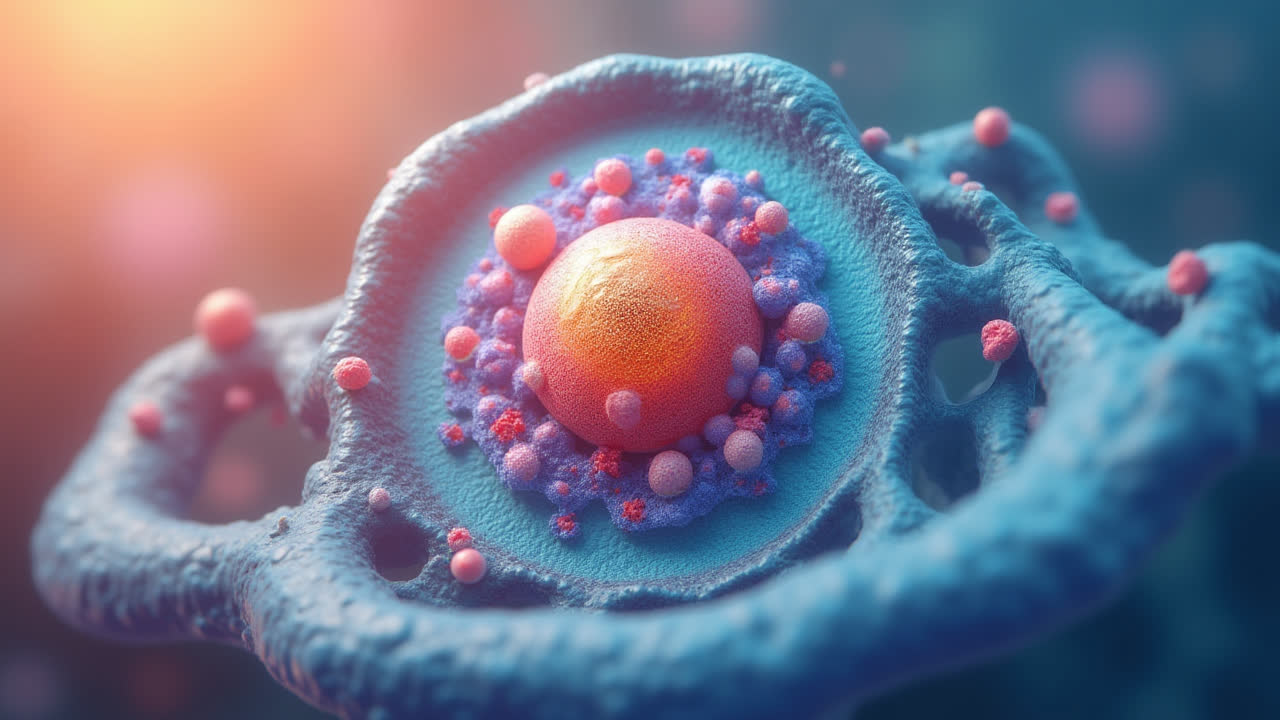
Ever wondered why some phases of cell division take longer than others? The G1 phase is the longest phase of the cell cycle, playing a crucial role in preparing cells for division. As the first stage of interphase, G1 serves as the metabolic powerhouse where cells generate the building blocks needed for DNA replication and subsequent division. Understanding this phase helps illuminate how our bodies grow, heal wounds, and maintain tissues throughout life.
Understanding the Cell Cycle: A Brief Overview
The cell cycle represents the life story of a cell - from its "birth" to the moment it divides into two daughter cells. This carefully orchestrated process ensures genetic material is accurately duplicated and distributed to the next generation of cells. Without this precise dance of cellular events, multicellular life as we know it wouldn't be possible.
The cell cycle consists of three main stages: interphase, mitotic phase, and cytokinesis. Interphase is further divided into three sub-phases: G1 (Gap 1), S (Synthesis), and G2 (Gap 2). Have you ever thought about why nature designed this process with such distinct phases? Each serves a specific purpose in preparing the cell for its ultimate goal of division.
During interphase, the cell grows, accumulates nutrients, and replicates its DNA in preparation for division. The mitotic phase involves the separation of the duplicated chromosomes into two new nuclei. Finally, cytokinesis completes the process by physically dividing the cytoplasm, resulting in two identical daughter cells.
I've always found it fascinating how cells seem to "know" exactly what to do during each phase. In reality, this intricate coordination results from complex signaling pathways and checkpoint mechanisms that have evolved over billions of years. These internal cellular controls ensure that each phase completes successfully before the next one begins - a biological quality control system at the microscopic level.
G1 Phase: The Longest Phase of the Cell Cycle
The first gap phase of interphase, G1, typically occupies the most significant portion of a cell's life cycle. During G1, cells are metabolically active workhorses, busy synthesizing proteins, producing RNA, and growing in size. This phase is particularly crucial because it's when the cell decides whether to commit to division or enter a specialized state.
Why is G1 so long compared to other phases? The answer lies in its fundamental purpose. G1 serves as the primary preparation stage where cells must accumulate sufficient raw materials, energy reserves, and protein-building machinery before proceeding to DNA replication. Think of it as the planning and resource-gathering phase before a major construction project - without adequate preparation, the subsequent building phases cannot succeed.
During this extended phase, cells synthesize the enzymes and proteins required for DNA replication, including DNA polymerases, helicases, and ligases. They also produce ribosomes, mitochondria, and other organelles needed to support growth. The cell must essentially double its cellular content before division can occur successfully.
What's particularly interesting about G1 is its variability across different cell types. In rapidly dividing cells like those in embryos or bone marrow, G1 might be relatively short. However, in specialized cells like neurons or muscle cells, G1 can be extraordinarily long or even permanent (in which case, cells enter what's called the G0 phase). This flexibility allows different tissues to maintain appropriate cell numbers for their specific functions.
Critical Functions of the G1 Phase
The G1 phase isn't just a waiting period – it's a hive of activity where several critical cellular functions take place:
- Protein Synthesis: The cell manufactures proteins needed for DNA replication and cellular growth at an accelerated rate during G1.
- Organelle Duplication: Many cellular organelles increase in number during this phase to ensure each daughter cell receives sufficient organelles.
- Energy Production: The cell ramps up ATP production to fuel the energy-intensive processes of DNA replication and mitosis.
- Cell Growth: The overall size of the cell increases to prepare for eventual division into two daughter cells.
- Assessment of Environmental Conditions: Cells evaluate nutrients, growth factors, and cellular health before committing to division.
I've observed in my research that one of the most crucial aspects of G1 is the accumulation of nucleotides—the building blocks of DNA. Without sufficient deoxyribonucleotides available, DNA replication in the subsequent S phase would stall, potentially leading to genetic errors or cell death. The cell must therefore stockpile these essential components before proceeding.
The G1 phase also represents a critical decision point. Based on environmental conditions and internal signals, cells must "decide" whether to proceed with division or enter a specialized, non-dividing state. This decision point, known as the restriction point in mammalian cells (or START in yeast), represents a commitment to complete the entire cell cycle once initiated.
Regulation of the G1 Phase
How does a cell know when it's ready to exit G1 and enter the S phase? The answer lies in sophisticated regulatory mechanisms involving cyclins, cyclin-dependent kinases (CDKs), and checkpoint systems. The G1/S checkpoint ensures that conditions are favorable for DNA replication before allowing the cell to proceed.
Cyclin D, in particular, plays a starring role in G1 regulation. As external growth factors stimulate the cell, cyclin D levels rise and activate CDK4 and CDK6. This activation initiates a cascade of events leading to the transition from G1 to S phase. It's like a molecular green light that signals the cell to proceed with DNA replication.
The tumor suppressor protein Rb (retinoblastoma protein) serves as a brake on this process. When active, Rb prevents the expression of genes needed for DNA replication. However, when phosphorylated by cyclin-CDK complexes, Rb releases its inhibitory grip, allowing the cell cycle to progress. This delicate balance between acceleration and braking helps prevent uncontrolled cell division – a hallmark of cancer.
Environmental factors also influence G1 regulation. Nutrient availability, cell density, and growth factors all impact the decision to progress through G1. If conditions aren't favorable, cells may extend their G1 phase or enter the G0 phase – a specialized resting state where cells temporarily or permanently exit the cell cycle. Some cells, like neurons and muscle cells, remain in G0 for the lifetime of the organism.
During my time in the lab, I've seen firsthand how sensitive G1 regulation can be to external factors. Even slight changes in growth medium composition can dramatically alter the time cells spend in G1, highlighting the phase's responsiveness to environmental cues.
G0 Phase: The Extended Exit from the Cell Cycle
Closely related to G1 is the G0 (Gap 0) phase, a specialized state where cells exit the active cell cycle. This can be either temporary or permanent, depending on the cell type. When cells encounter unfavorable conditions during G1, they may transition into G0 rather than proceeding to S phase.
Many mature cells in our bodies exist in a G0 state, including most neurons, cardiac muscle cells, and lens fiber cells. These highly specialized cells have essentially withdrawn from the cell cycle to perform their specific functions without the "distraction" of division.
Other cells maintain the ability to re-enter the cell cycle from G0 when needed. Liver cells, for example, normally reside in G0 but can return to the cell cycle to replace damaged tissue. This capacity for conditional division provides a vital mechanism for tissue repair and regeneration.
The transition between G0 and G1 represents yet another regulatory point in cellular life. External growth factors often serve as the trigger that prompts quiescent cells to re-enter the active cell cycle. Once these signals activate the appropriate pathways, the cell machinery gears up for division once again.
Understanding the G0 phase has significant implications for medicine, particularly in cancer treatment and regenerative medicine. Cancer cells often evade the normal controls that would otherwise direct them into G0, instead remaining in an actively dividing state. Conversely, stimulating certain G0 cells to re-enter the cell cycle could potentially aid in tissue repair after injury.
Comparison: G1 Phase vs. Other Cell Cycle Phases
| Characteristic | G1 Phase (Longest) | Other Cell Cycle Phases |
|---|---|---|
| Duration | Typically 5-6 hours (can vary widely) | S phase: 6-8 hours; G2: 3-4 hours; M phase: 1 hour |
| Primary Function | Cell growth and preparation for DNA synthesis | S: DNA replication; G2: Preparation for mitosis; M: Nuclear division |
| Metabolic Activity | Highest metabolic rate in the cell cycle | Moderate to high in S and G2; reduced during M phase |
| Protein Synthesis | Extensive protein synthesis for growth | S: Histone synthesis; G2: Mitotic proteins; M: Limited synthesis |
| Cell Growth | Significant increase in cell mass and size | Limited growth during S and G2; no growth during M phase |
| Major Regulators | Cyclin D, CDK4/6, Rb protein | S: Cyclin E/A, CDK2; G2: Cyclin B, CDK1; M: APC/C complex |
| Checkpoint Control | Restriction point/G1 checkpoint | S: Intra-S checkpoint; G2: G2/M checkpoint; M: Spindle checkpoint |
| Alternative Paths | Can exit to G0 (quiescence) phase | No equivalent exit points once S phase begins |
Implications of G1 Phase in Health and Disease
The regulation of the G1 phase has profound implications for human health and disease. Disruptions in G1 control mechanisms are frequently observed in cancer, where cells bypass normal regulatory checkpoints to divide uncontrollably. Many oncogenes and tumor suppressor genes exert their effects specifically at the G1/S transition.
Cancer treatments often target cells in specific phases of the cell cycle. Some chemotherapeutic agents, for instance, are most effective against cells in S phase, while others target the mitotic phase. Understanding these phase-specific vulnerabilities helps oncologists develop more effective treatment strategies.
Beyond cancer, G1 regulation plays important roles in development, aging, and tissue regeneration. During development, precise control of cell cycle progression ensures that tissues form properly. In aging, cells may show altered G1 regulation, affecting tissue maintenance and repair. And in regeneration, the ability of cells to exit G0 and re-enter the cell cycle through G1 determines healing capacity.
In my conversations with medical researchers, I've been intrigued by emerging therapies targeting the cell cycle. Some approaches aim to force cancer cells into a permanent G0 state rather than killing them outright – a strategy that could potentially reduce side effects while still controlling disease. Other therapies seek to enhance the regenerative capacity of tissues by stimulating quiescent cells to re-enter the cell cycle when needed.
Frequently Asked Questions About the Cell Cycle
Why is the G1 phase considered the longest phase of the cell cycle?
G1 is typically the longest phase because it serves as the primary preparatory stage where cells must accumulate sufficient raw materials, energy reserves, and protein-building machinery before proceeding to DNA replication. During G1, cells synthesize enzymes and proteins required for DNA replication, produce organelles, and evaluate environmental conditions to determine whether to commit to division. The duration of G1 can vary widely depending on cell type and conditions, with specialized cells sometimes remaining in G1 (or transitioning to G0) indefinitely.
What happens if the G1 phase is disrupted or shortened?
Disruption or shortening of the G1 phase can have serious consequences for cell health and tissue function. If G1 is too short, cells may enter S phase without adequate preparation, potentially leading to DNA replication errors, genetic instability, and increased mutation rates. Such disruptions are commonly observed in cancer cells, which often exhibit deregulated G1 control mechanisms allowing them to divide rapidly and without proper checks. Conversely, artificially extending G1 can prevent cells from dividing when needed, potentially impairing tissue repair and regeneration. The precise regulation of G1 duration is critical for maintaining the balance between cellular quiescence and proliferation.
How do different cell types vary in their G1 phase duration?
G1 phase duration varies dramatically across different cell types, reflecting their specialized functions and proliferative needs. Rapidly dividing cells, such as those in embryonic tissues, intestinal epithelium, or bone marrow, typically have shorter G1 phases, allowing them to complete cell cycles quickly to support growth or tissue turnover. In contrast, specialized cells with limited division requirements, such as neurons, cardiac muscle cells, and some glandular cells, have extended G1 phases or enter the G0 state indefinitely. Environmental factors also influence G1 duration—nutrient availability, growth factors, cell density, and tissue damage can all modulate the time cells spend in G1. This variability in G1 duration provides a flexible mechanism for tissues to adapt their proliferation rates to physiological needs.
Conclusion
The G1 phase stands as the longest and perhaps most critical phase of the cell cycle, serving as the foundational period where cells prepare for the complex process of division. Its extended duration allows cells to build the necessary components, evaluate environmental conditions, and make the crucial decision to either proceed with division or enter a specialized state.
Understanding the intricacies of G1 regulation provides insights into fundamental biological processes like development, aging, and disease. The delicate balance of signals that control progression through G1 represents one of the most sophisticated regulatory systems in biology – a testament to the evolutionary importance of controlled cell division.
As research continues to unravel the complexities of the cell cycle, our knowledge of G1 regulation will likely translate into new therapeutic approaches for conditions ranging from cancer to degenerative diseases. The longest phase of the cell cycle may yet reveal more secrets that could transform our approach to medicine and our understanding of life itself.