Lump vs Briquette Charcoal: Which Is Best For Your Grill?
When it comes to firing up your grill, the type of charcoal you choose can make a world of difference in your BBQ experience. Lump charcoal and briquette charcoal are the two main contenders in the grilling world, each with their own set of advantages and quirks. I've spent countless weekends testing both types, and trust me, the debate over which is superior is as hot as the coals themselves!
Have you ever wondered why some BBQ enthusiasts swear by those irregular chunks of lump charcoal while others won't use anything but those perfect little pillow-shaped briquettes? The answer isn't as straightforward as you might think. Your ideal choice actually depends on what and how you're cooking, as well as your personal grilling style and priorities.
In this comprehensive guide, we'll explore the fundamental differences between natural wood charcoal and manufactured briquettes, covering everything from their composition and burn characteristics to their impact on flavor and your wallet. By the end, you'll be equipped to make the best choice for your next backyard cookout or smoking session.
What Is Lump Charcoal?
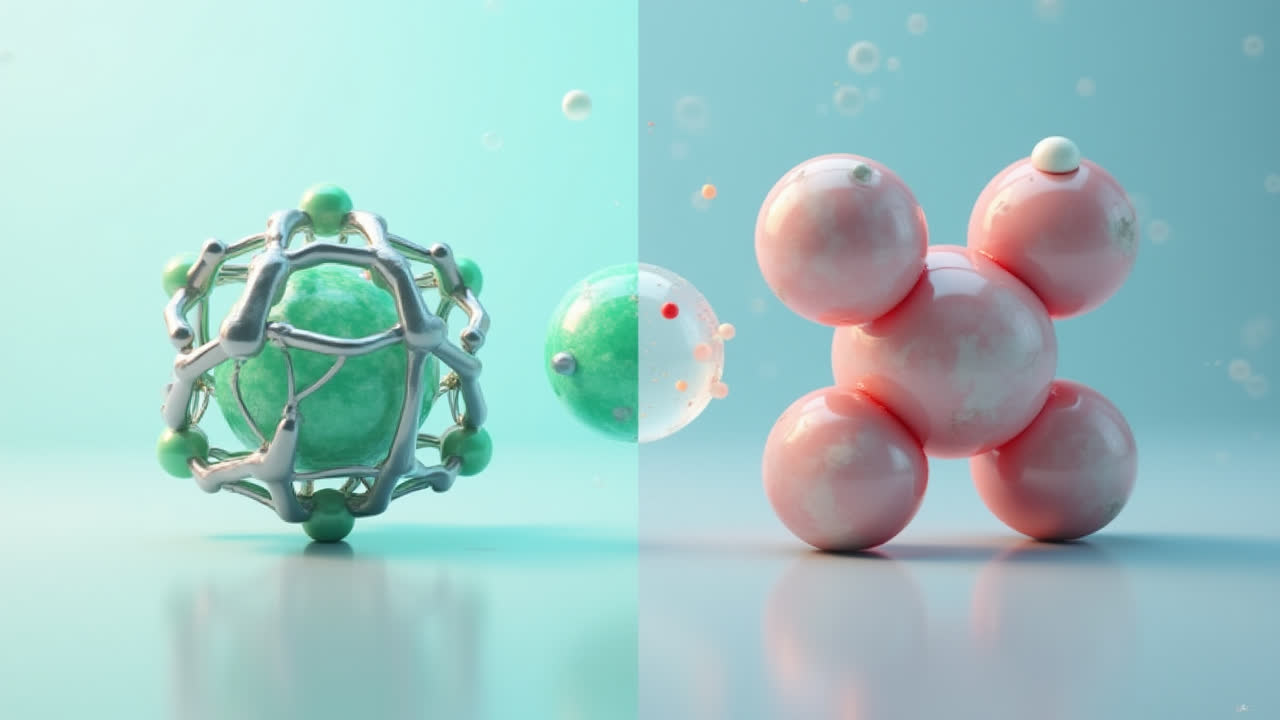
Lump charcoal is essentially carbonized wood in its most natural form. It's created through an ancient process that involves burning wood in an oxygen-limited environment—traditionally in earthen kilns or metal containers. This slow burning removes water, sap, and other natural chemicals from the wood, leaving behind nearly pure carbon. When you open a bag of lump charcoal, you're looking at actual pieces of charred wood, complete with all their natural irregularities and varying sizes.
The production process is relatively straightforward: hardwoods like oak, maple, or mesquite are burned with limited oxygen until they become carbonized. No additives, binders, or fillers are introduced—it's just pure charred wood. This natural composition is one reason many grilling purists prefer lump charcoal over briquettes.
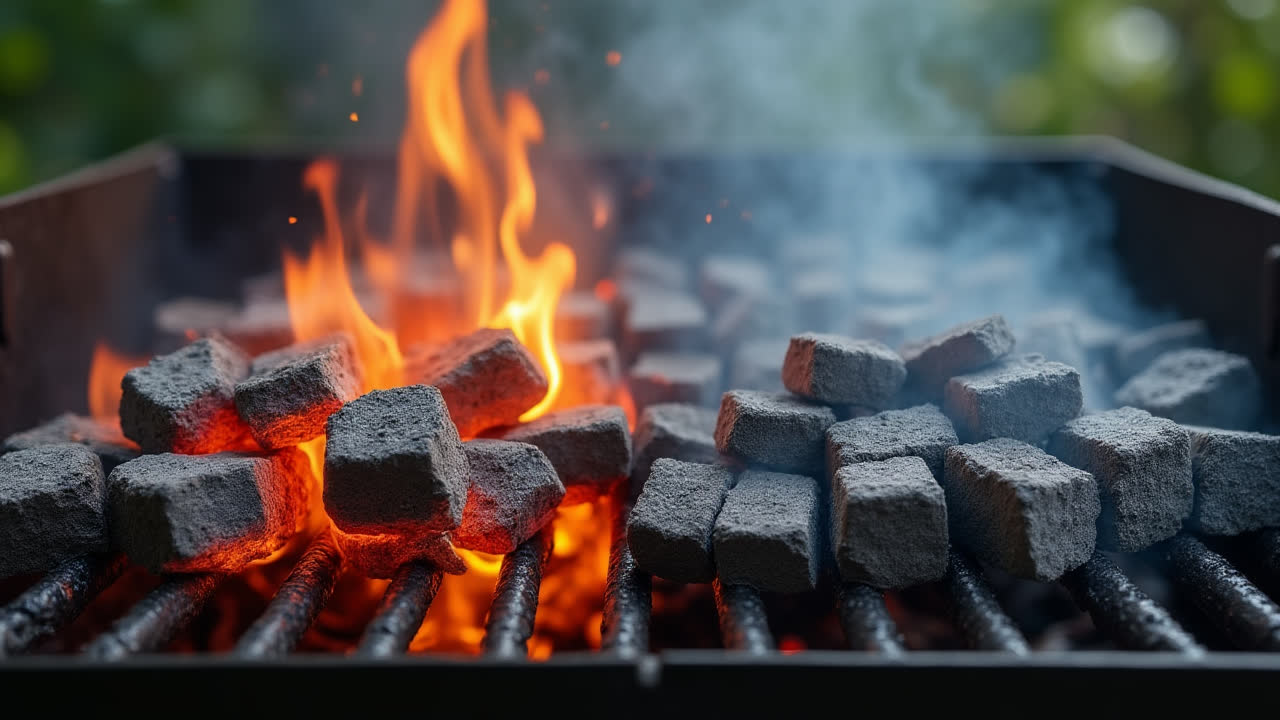
One thing I've noticed when using lump charcoal is the distinctive "snap, crackle, pop" sound it makes when first lighting up. That's the remaining moisture and natural compounds in the wood escaping as it heats. It's almost like the charcoal is telling you it's ready for action! The irregular shapes also create natural air pockets that help the coals ignite quickly and reach high temperatures faster than their briquette counterparts.
Quality can vary significantly between brands of lump charcoal. The best ones contain larger pieces with consistent carbonization, while lower-quality brands might include partially burned pieces or even non-charcoal materials like rocks or nails (yes, I've actually found these in cheaper bags). Premium lump charcoal often specifies the type of hardwood used, which can influence the subtle smoky flavors imparted to your food.
What Is Briquette Charcoal?
Briquette charcoal represents the more engineered, consistent option in the charcoal world. These uniform, pillow-shaped pieces were first mass-produced in the early 1920s and have since become a staple in backyard grilling. Unlike the natural irregularity of lump charcoal, briquettes are manufactured to be consistent in size, shape, and burning properties.
The composition of briquettes is more complex than lump charcoal. They're typically made from a combination of sawdust, wood chips, coal dust, and various binding agents. Manufacturers often add limestone to create the white ash that indicates they're ready for cooking, and sometimes include sodium nitrate to make them easier to light. This engineered approach results in a product that burns more predictably but comes with some trade-offs in terms of natural flavor and purity.
One rainy afternoon when I couldn't get to the store for more lump charcoal, I discovered another advantage of briquettes—they're remarkably consistent. Each piece provides virtually the same heat output and burn time as the next, making temperature control much more manageable, especially for longer cooking sessions. This consistency is particularly valuable when smoking meats, where maintaining a steady temperature for hours is crucial.
Modern briquettes come in several varieties, including standard, match-light (with added lighter fluid—which I personally avoid due to chemical taste), and natural (with fewer additives). Some premium brands now offer hardwood briquettes that aim to combine the consistency of briquettes with the purer flavor profile of lump charcoal. In my experience, these hybrid options can offer a good middle ground for grillers who value both consistency and flavor.
Comprehensive Comparison: Lump vs Briquette Charcoal
| Feature | Lump Charcoal | Briquette Charcoal |
|---|---|---|
| Composition | 100% natural carbonized wood with no additives | Wood byproducts mixed with binding agents and additives |
| Heat Production | Burns hotter (up to 1,400°F) | Moderate heat (usually 800-1,000°F) |
| Burn Time | Shorter burn time (30-60 minutes) | Longer burn time (1-3 hours) |
| Lighting Speed | Lights quickly (5-10 minutes) | Takes longer to light (15-20 minutes) |
| Ash Production | Minimal ash | Significant ash production |
| Flavor Profile | Clean, natural smoky flavor | Neutral to slightly chemical taste |
| Temperature Control | More responsive but less stable | More stable and predictable |
| Cost | More expensive ($1-2 per pound) | More affordable ($0.50-1 per pound) |
Key Differences in Performance and Cooking Experience
Burning Temperature and Heat Intensity
One of the most significant differences I've experienced between these two charcoal types is their heat output. Lump charcoal naturally burns hotter than briquettes—sometimes reaching temperatures up to 1,400°F compared to the 800-1,000°F typical of briquettes. This makes lump charcoal particularly excellent for searing steaks or getting that perfect char on vegetables.
Last summer, I was grilling ribeye steaks for some friends using lump charcoal, and the intense heat created a beautiful sear while keeping the inside perfectly medium-rare. When I've used briquettes for similar cooks, I've found I need to adjust my technique a bit, perhaps letting the steaks sit longer over the coals to get a comparable sear. That said, the moderate heat of briquettes can be advantageous for foods that benefit from slower cooking.
Burn Time and Longevity
While lump charcoal lights faster and burns hotter, briquettes definitely win the endurance competition. During a recent 6-hour smoking session for pulled pork, I started with briquettes and barely needed to replenish them throughout the cook. When I've used lump charcoal for similar long cooks, I typically need to add fresh coals every hour or so.
This difference in burn time makes briquettes the go-to option for low and slow cooking methods like smoking or indirect grilling. The trade-off is worth considering—do you prefer the higher heat and purer flavor of lump, or the convenience and consistency of longer-burning briquettes? For many grill masters, including myself, the answer is often "both," depending on what's being cooked.
Pro Tip: For the best of both worlds, consider using a base layer of briquettes for consistent, long-lasting heat, topped with some lump charcoal for higher initial temperatures and cleaner smoke flavor.
Flavor Implications
In terms of flavor, there's a noticeable difference between the two charcoal types. Lump charcoal tends to impart a cleaner, more natural smoky flavor to food. Since it's just carbonized wood, the smoke it produces is similar to what you'd get from a wood fire, though milder.
Briquettes, particularly those with more additives, can sometimes add a slightly chemical taste to food if not fully lit before cooking begins. I've found this is especially true with cheaper brands or match-light varieties. However, once briquettes are properly ashed over (covered with white ash), this chemical flavor is minimized.
For delicate foods like fish or vegetables where subtle flavors matter more, I typically reach for high-quality lump charcoal. For robust meats like brisket or pork shoulder that can stand up to stronger smoke flavors, the difference becomes less critical, and the consistency of briquettes often makes them more practical.
Practical Considerations for Choosing Your Charcoal
Cost and Value Analysis
Let's talk money—because grilling season can get expensive if you're firing up the BBQ regularly. Briquette charcoal is generally more budget-friendly, costing roughly half as much per pound as lump charcoal. A 20-pound bag of quality briquettes might run $10-15, while the same weight of premium lump charcoal could cost $20-30.
However, cost comparison isn't quite that straightforward. Lump charcoal is lighter by volume, so a 10-pound bag of lump takes up more space than a 10-pound bag of briquettes. Additionally, lump charcoal burns faster, meaning you might use more over time. Based on my experience, if you grill regularly, briquettes can offer better value purely from a cost perspective.
That said, many enthusiasts (myself included) consider the superior flavor of lump charcoal worth the extra cost for certain cooking scenarios. It's also worth noting that higher-end briquettes like those made from hardwood can approach the price of mid-range lump charcoal, somewhat blurring the cost distinction.
Environmental Impact
For environmentally conscious grillers, lump charcoal generally has a smaller ecological footprint. It's made from natural wood with minimal processing and no chemical additives. Many premium lump charcoal brands also emphasize sustainable forestry practices, using only fallen timber or wood from managed forests.
Briquettes require more processing and contain binding agents and additives that aren't found in nature. However, they do make use of wood byproducts that might otherwise go to waste, giving them some environmental merit. Some newer eco-friendly briquette brands are working to address these concerns by reducing chemical additives and using sustainable materials.
After researching this topic extensively (and feeling a bit guilty about my own charcoal consumption), I've started to favor brands that clearly state their environmental practices on the packaging, regardless of whether they're selling lump or briquette charcoal.
Frequently Asked Questions About Charcoal Types
Can you mix lump charcoal and briquettes together?
Yes, mixing lump charcoal and briquettes is not only possible but can be a smart strategy for many grilling scenarios. The combination allows you to leverage the quick-lighting, high-heat properties of lump charcoal while benefiting from the consistent, longer burn of briquettes. For best results, start with briquettes as your base fuel for longevity, then add lump charcoal on top for an initial heat boost and cleaner smoke flavor. This hybrid approach works particularly well for longer cooking sessions where you want a searing hot start followed by steady, consistent heat.
Is lump charcoal better for smoking meat?
The ideal charcoal for smoking meat depends on your specific smoking setup and preferences. Lump charcoal produces less ash and imparts a cleaner, more natural smoke flavor, which many pitmasters prefer. However, briquettes burn longer and maintain more consistent temperatures, which is crucial for long smoking sessions. For traditional offset smokers, many experts recommend lump charcoal supplemented with wood chunks for flavor. For water smokers or kamado-style grills, briquettes might provide more consistent results with less attention. For the absolute best smoking results, consider how your particular smoker functions and match your charcoal choice accordingly.
Why does my charcoal go out before cooking is finished?
Charcoal going out prematurely is usually caused by insufficient airflow, improper lighting, or poor quality charcoal. First, check that your grill vents are open enough to provide adequate oxygen—charcoal needs continuous airflow to burn properly. Second, ensure you're fully lighting your charcoal before cooking; briquettes should be covered with white ash, while lump charcoal should be glowing red with minimal black areas. Using a chimney starter can help achieve proper ignition. Finally, low-quality charcoal or charcoal that's been exposed to moisture may not burn efficiently. For longer cooks, arrange your charcoal in a way that facilitates a slow, progressive burn, such as the "snake method" for low and slow cooking.
Making Your Choice: Which Charcoal Is Right For You?
After years of experimentation with both types of charcoal across various grilling scenarios, I've come to a perhaps unsatisfying conclusion: there's no single "best" option. The right choice depends entirely on what and how you're cooking. But I can offer some guidance based on specific grilling scenarios:
When Lump Charcoal Shines
- High-heat searing - When cooking steaks or other foods that benefit from intense heat for a quick sear, lump charcoal's higher temperature capability gives it the edge.
- Quick weeknight grilling - If you're just firing up the grill for a quick dinner, lump charcoal's faster lighting time means less waiting before you can start cooking.
- Kamado or ceramic grills - These grills benefit from lump charcoal's lower ash production, which helps maintain better airflow in their more confined spaces.
- Flavor-sensitive foods - For delicate fish, vegetables, or when you want the cleanest possible smoke flavor, lump charcoal's additive-free composition makes it the better choice.
When Briquettes Are Better
- Low and slow cooking - For smoking, indirect grilling, or any cooking session lasting more than an hour, briquettes' longer burn time and temperature stability are invaluable.
- Budget-conscious grilling - If you grill frequently and want to stretch your dollar further, briquettes offer more cooking time per dollar spent.
- Predictable cooking - When following recipes that specify exact temperatures and cooking times, the consistent performance of briquettes makes following instructions easier.
- Beginner grillers - Those new to charcoal grilling may find the predictable nature of briquettes offers a gentler learning curve for temperature management.
Personally, I keep both types on hand. For quick weeknight grilling of burgers or vegetables, I'll reach for lump charcoal. For weekend smoking sessions or when cooking for a large gathering where I need sustained heat, briquettes are my go-to. There's also something to be said for the "hybrid approach" I mentioned earlier—starting with a base of long-burning briquettes and topping with lump charcoal for an initial heat boost.
Ultimately, the best approach is to experiment with both types in your specific grill and for your favorite foods. Charcoal grilling is as much art as science, and discovering your own preferences is part of the journey. No matter which type you choose, there's nothing quite like the flavor of food cooked over burning charcoal—a primal cooking method that continues to bring us together around the grill.