Melancholy vs Nostalgia: Understanding the Key Differences
Understanding Melancholy: The Cloud of Sadness
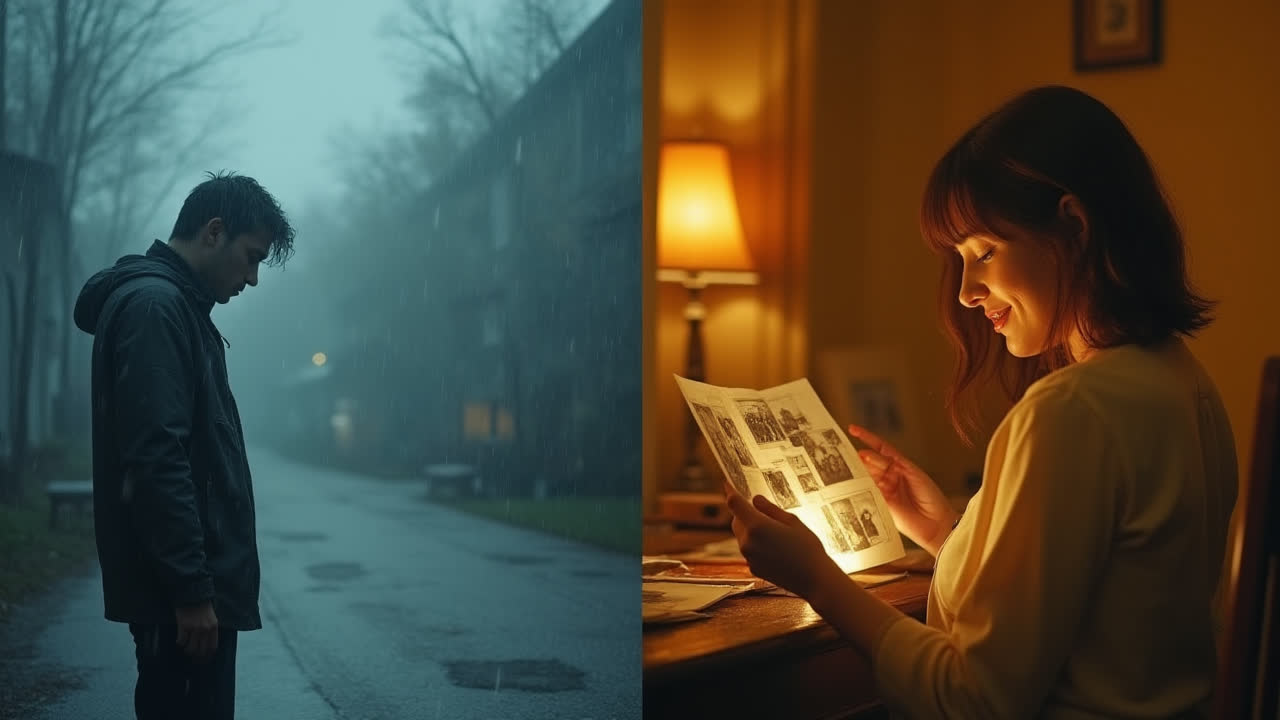
Melancholy represents a persistent gloomy state of mind characterized by deep sadness or pensiveness. It's that heavy feeling that settles in your chest for reasons that might not always be clear. I remember experiencing this after moving to a new city – a general sense of gloom that wasn't tied to any specific memory but rather existed as an emotional cloud hovering over daily life.
Historically, melancholy was even considered a medical condition. According to ancient medical theories, it was believed to be caused by an excess of "black bile" in the body – one of the four humors that supposedly regulated human health and temperament. While this theory has long been debunked, it shows how long humans have recognized and tried to explain this particular emotional state.
What makes melancholy particularly challenging is its often undefinable nature. Unlike grief, which has a clear cause, melancholy can arise without any identifiable trigger. You might wake up feeling an inexplicable sadness that persists throughout the day. This vague quality is part of what distinguishes it from other emotional states and can make it difficult to address.
When prolonged, melancholy can potentially develop into depression. Mental health professionals often consider persistent melancholy as a warning sign of deeper emotional struggles. The difference? Depression is a clinical condition with specific diagnostic criteria, while melancholy is more of a mood state. However, they exist on the same emotional spectrum, with melancholy potentially serving as an early indicator of depression.
Exploring Nostalgia: Yearning for Yesterday
Nostalgia, on the other hand, represents a sentimental longing for the past. It's that bittersweet feeling when you smell your grandmother's signature dish or hear a song from your high school days. Unlike the general gloom of melancholy, nostalgia is tied to specific memories and often carries positive emotional tones alongside the longing.
The word "nostalgia" comes from Greek roots: "nostos" meaning "return home" and "algos" meaning "pain." It was initially described in the 17th century as a medical condition affecting Swiss mercenaries who longed for their homeland. Today, psychologists view nostalgia not as a disorder but as a complex emotional response that can actually be beneficial for mental well-being in many circumstances.
Interestingly, when we feel nostalgic, we tend to view the past through rose-colored glasses. Wasn't high school actually filled with anxiety and awkward moments? Yet when nostalgia kicks in, we often remember the laughter, the friendships, and the sense of possibility. This selective remembering is part of nostalgia's unique character – it reshapes our memories, highlighting the good while softening the edges of the difficult.
Research suggests that nostalgia can serve beneficial psychological functions. It can strengthen our sense of personal continuity, boost positive self-regard, and even enhance our sense of social connectedness. During times of loneliness or transition, nostalgic memories can provide comfort and reassurance. Ever noticed how you might reminisce more during major life changes? That's nostalgia helping you maintain your sense of identity through shifts in circumstance.
Key Differences Between Melancholy and Nostalgia
| Comparison Point | Melancholy | Nostalgia |
|---|---|---|
| Definition | A deep sadness or gloom, often without clear cause | Sentimental longing or affection for the past |
| Emotional Tone | Predominantly negative; characterized by sadness | Mixed or bittersweet; can include both joy and longing |
| Temporal Focus | Can be present-focused, not necessarily about the past | Always focused on the past, usually distant past |
| Connection to Depression | Can be a symptom of depression when persistent | Generally not associated with depression |
| Motivational Effect | Often demotivating; may lead to withdrawal | Can be motivating; may inspire reconnection |
| Psychological Function | May signal unresolved emotional issues | Can provide comfort and strengthen identity |
| Trigger Specificity | Often triggered by vague or unknown causes | Usually triggered by specific memories or sensory cues |
| Duration | Can be prolonged and habitual | Typically episodic and temporary |
While these emotional states can sometimes overlap or occur simultaneously, they represent distinct psychological experiences. You might feel nostalgic for your childhood home (a specific longing for the past) while also experiencing a general melancholy about the passage of time (a broader sense of sadness). Understanding this distinction helps us better recognize and process our emotional responses.
Real-Life Examples: Experiencing Melancholy vs. Nostalgia
Melancholy Example
Imagine a young woman who lost her mother to cancer years ago. On some days, she finds herself overwhelmed by a deep sadness that she can't quite place. Is she missing her mother? Is she worried about her own health? Or is it something entirely unrelated? This unclear, profound sadness represents melancholy – a generalized gloom that doesn't necessarily connect to a specific memory or desire.
Nostalgia Example
Consider a college graduate who comes across an old yearbook. As he flips through the pages, he's filled with a bittersweet longing for those carefree days – swimming in the campus lake, late-night philosophical discussions in the dorm, and the excitement of new friendships. He smiles while simultaneously feeling a twinge of sadness that those specific moments are gone. This combination of joy and longing epitomizes nostalgia.
The difference becomes clearer in these examples. The woman experiencing melancholy feels sadness without a clear object of longing, while the graduate explicitly wishes to revisit or reconnect with specific past experiences. One state is diffuse and general, the other targeted and memory-specific.
Why Understanding the Difference Matters
Distinguishing between melancholy and nostalgia isn't just a semantic exercise – it has practical implications for emotional well-being. Recognizing persistent melancholy might prompt you to seek support if it begins to interfere with daily functioning, particularly if it lasts for extended periods or intensifies over time. Melancholy that doesn't lift could signal depression, which benefits from professional treatment.
On the other hand, understanding nostalgia's role can help you harness its potential benefits. Feeling nostalgic during challenging transitions? That's your mind attempting to maintain psychological continuity and boost your mood. Some therapists even use directed nostalgia as a technique to help patients connect with positive aspects of their identity when facing difficulties.
These emotional states also influence creative expression differently. Have you noticed how melancholy often drives introspective, sometimes darker artistic works? Think of Chopin's nocturnes or Edgar Allan Poe's writings. By contrast, nostalgia tends to fuel art that celebrates or reimagines the past – from Norman Rockwell's paintings to contemporary "retro" music trends. Understanding which emotional state drives your creative impulses can help channel them more effectively.
In our relationships, too, recognizing these distinctions matters. A friend experiencing melancholy might need different support than one experiencing nostalgia. The former might benefit from companionship that gently lifts their mood, while the latter might appreciate conversations that honor and explore those cherished memories.
Frequently Asked Questions
Can someone experience both melancholy and nostalgia simultaneously?
Yes, absolutely. These emotional states aren't mutually exclusive and can often blend together. For instance, you might feel nostalgic about a specific period in your life while simultaneously experiencing a more general melancholy about the passage of time or current circumstances. This overlap can create complex emotional experiences that have elements of both specific longing and undefined sadness.
Is nostalgia always a positive emotion?
No, nostalgia is better described as "bittersweet" rather than purely positive. While it often involves fond memories and can evoke warmth or comfort, it also inherently contains an element of sadness or longing for what's gone. For most people, nostalgia's positive elements outweigh the negative, making it generally beneficial. However, if nostalgia becomes excessive or primarily focused on regret, it can become maladaptive and more closely resemble rumination.
When should I be concerned about feelings of melancholy?
Occasional melancholy is a normal part of the human emotional spectrum, but persistent or intense melancholy that interferes with daily functioning deserves attention. Be particularly mindful if your melancholy is accompanied by changes in sleep patterns, appetite, energy levels, or concentration. If these feelings last for more than two weeks or if you have thoughts of harming yourself, it's important to consult with a healthcare professional, as these could be signs of clinical depression requiring treatment.
Conclusion: Navigating Our Emotional Landscape
Understanding the distinction between melancholy and nostalgia helps us navigate our complex emotional lives with greater awareness. While melancholy represents a general state of sadness that might signal deeper issues when persistent, nostalgia offers a bittersweet connection to our past that can actually strengthen our sense of identity and purpose.
Next time you find yourself staring out that window, take a moment to identify which of these emotional states you're experiencing. Is it the undefined gloom of melancholy, or the specific longing of nostalgia? The answer might help you respond more effectively to your emotional needs, whether that means seeking support or simply allowing yourself to fully experience the complex tapestry of human feeling.