Merkel Cells vs Meissner Corpuscles: Understanding Touch Sensation
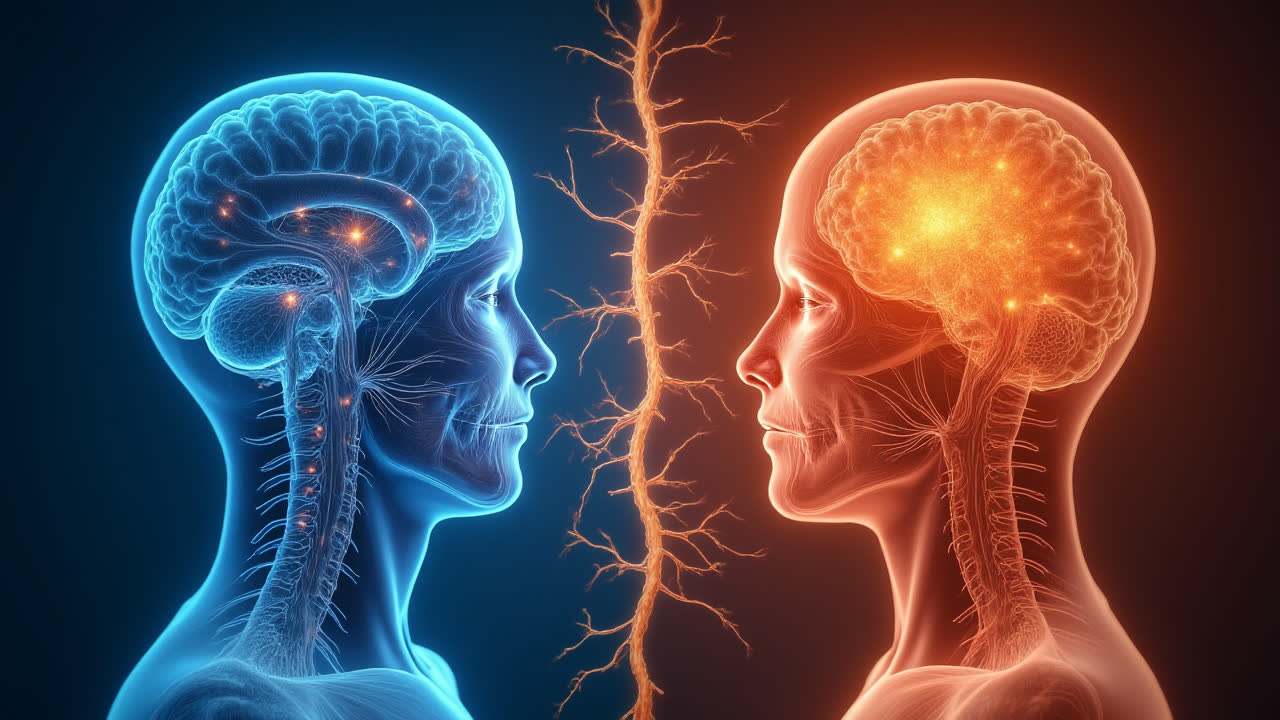
Have you ever wondered how your skin can distinguish between different types of touch? The incredible sensitivity of human skin allows us to experience the world through touch, from the gentle caress of a breeze to the precise texture of surfaces. At the heart of this remarkable ability are specialized sensory receptors, with Merkel cells and Meissner corpuscles being two of the most fascinating components of our tactile sensory system.
These microscopic structures serve as the frontline interpreters of touch sensation, translating physical contact into electrical signals that our brain can understand. Though they're both found near the skin's surface and serve as primary tactile mechanoreceptors, Merkel cells and Meissner corpuscles have distinct characteristics and functions that make them uniquely suited for different aspects of tactile perception.
I've always been fascinated by how our nervous system processes sensory information. The specialization of these different touch receptors reminds me of how a well-orchestrated team works, with each member handling specific tasks. In this article, we'll explore the key differences and similarities between these two crucial mechanoreceptors, and why understanding them matters for our comprehension of human sensory perception.
What Are Mechanoreceptors?
Before diving into the specific differences between Merkel cells and Meissner corpuscles, it's helpful to understand what mechanoreceptors are more broadly. Mechanoreceptors are specialized sensory receptors that respond to mechanical pressure or distortion. They're essentially the translators that convert physical stimuli into the language of the nervous system: electrical impulses.
The human skin contains four main types of mechanoreceptors, each specialized for detecting different aspects of touch. Two of these—Merkel cells and Meissner corpuscles—are located near the skin's surface and respond to light touch. The other two—Pacinian corpuscles and Ruffini endings—are found deeper in the skin and respond to different types of pressure and stretching. There's also a fifth type, Krause end bulbs, which are found only in specialized regions of the skin.
What makes mechanoreceptors particularly interesting is how they've evolved to detect specific types of stimuli. It's similar to how a team of specialists might work together—each mechanoreceptor has its own "expertise" in detecting particular aspects of touch. This specialization allows our brain to create a comprehensive picture of what we're touching, combining information about pressure, vibration, texture, and more.
Understanding Merkel Cells: Nature's Precision Touch Detectors
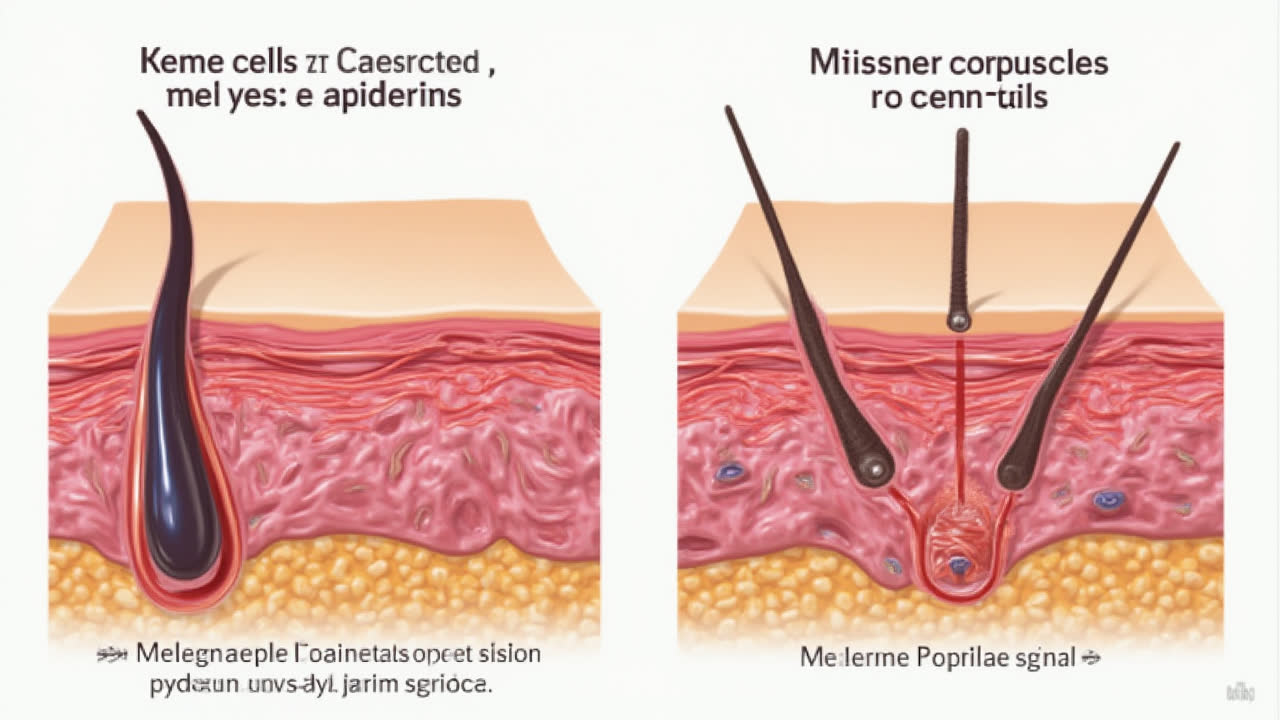
Merkel cells are fascinating structures that act as some of the most precise touch detectors in our body. Named after the German anatomist Friedrich Merkel who first described them in 1875, these cells are located in the basal layer of the epidermis. What makes Merkel cell structures particularly special is their association with sensory nerve fibers, forming what's known as the Merkel cell-neurite complex.
These receptors are found in both hairy and glabrous (hairless) skin. They're particularly abundant in areas where tactile discrimination is crucial—fingertips, lips, and the soles of our feet contain high concentrations of these cells. Think about how sensitive your fingertips are when you're trying to identify an object in your pocket without looking, or how your lips can detect even the smallest food particles—that's partly thanks to Merkel cells.
One of the most important characteristics of Merkel cells is that they're slow-adapting. This means they continue to fire action potentials as long as a stimulus is present, allowing us to maintain awareness of continuous touch. I once tried an experiment where I placed a small coin on my palm—initially I felt it strongly, but after a while, the sensation faded as other receptors adapted. However, when I moved my hand slightly, I could immediately feel it again as the Merkel cells provided information about the pressure and edges of the coin.
Merkel cells respond primarily to light touch and pressure, particularly the type that allows for discriminative touch—the ability to precisely localize where on the skin a stimulus is occurring. They have small, well-defined receptive fields with clear borders, which contributes to their role in helping us detect fine details and textures of objects.
Exploring Meissner Corpuscles: The Vibration Specialists
Meissner corpuscles, also known as tactile corpuscles, represent another crucial component of our touch sensory system. These specialized mechanoreceptors were first described by anatomist Georg Meissner and physiologist Rudolf Wagner in 1852. Unlike Merkel cells, Meissner corpuscles are encapsulated nerve endings, meaning they're surrounded by a capsule of connective tissue.
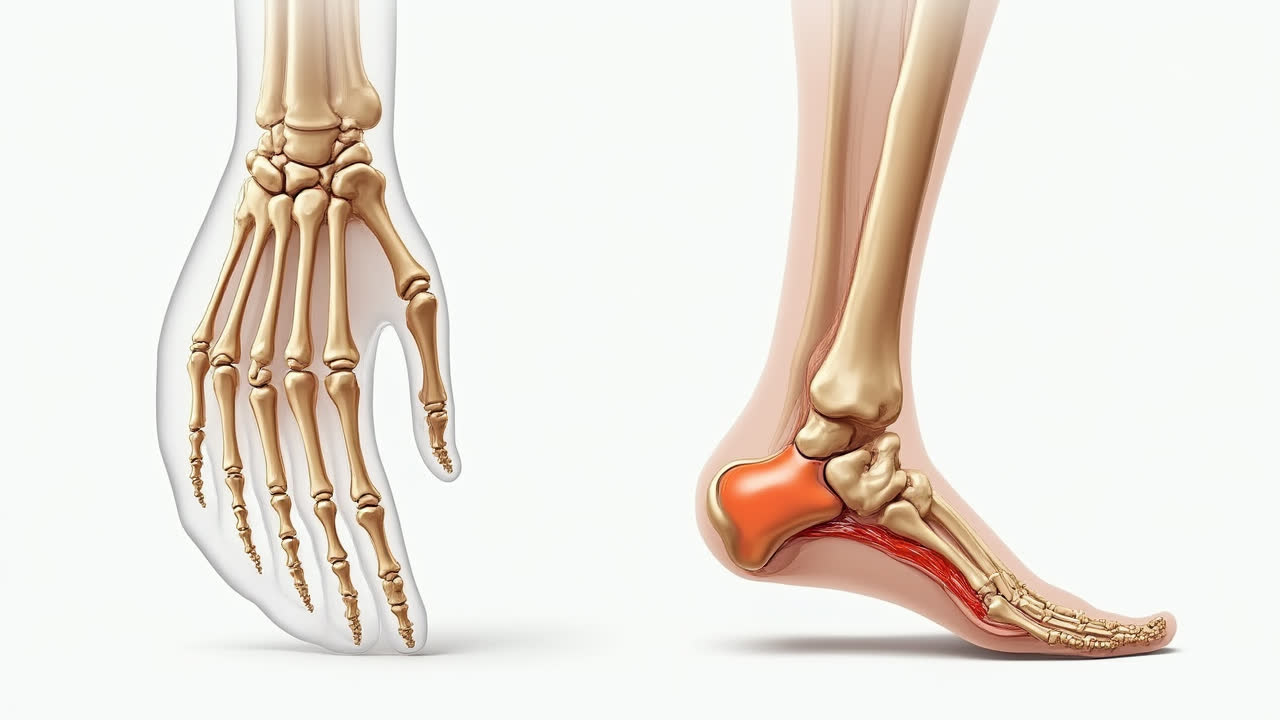
These receptors are primarily found in the dermal papillae of glabrous skin—the hairless skin on parts of your body like fingertips, palms, soles of feet, lips, and eyelids. They're particularly concentrated in the fingertips, where they play a crucial role in fine touch discrimination. Have you ever been amazed at how pianists can feel the subtle differences between keys, or how a craftsperson can detect minute variations in texture? That's tactile sensitivity at work, largely thanks to Meissner corpuscles.
What truly sets Meissner corpuscles apart is their specialization in detecting low-frequency vibrations and flutter sensations (around 10-50 Hz). They're rapidly adapting, meaning they respond quickly at the onset and offset of a stimulus but reduce their signaling during constant stimulation. This characteristic makes them particularly adept at detecting changes in texture as our fingers move across a surface. I'm reminded of running my fingers across different fabrics in a store—the rapid firing of Meissner corpuscles helps create that immediate sensation of texture difference between silk and cotton.
The receptive fields of Meissner corpuscles are relatively small but larger than those of Merkel cells. This arrangement allows for relatively precise localization of stimuli while being particularly sensitive to changes in stimulation, such as when an object moves across the skin or when the skin moves across an object's surface.
Key Differences Between Merkel Cells and Meissner Corpuscles
| Characteristic | Merkel Cells | Meissner Corpuscles |
|---|---|---|
| Type of Sensation | Light touch and pressure (discriminative touch) | Low-frequency vibrations and flutter (10-50 Hz) |
| Adaptation Rate | Slow-adapting (SA-I) | Rapidly-adapting (RA-I) |
| Structure | Unencapsulated nerve endings | Encapsulated, fluid-filled nerve endings |
| Location | Both hairy and glabrous skin (fingertips, lips, etc.) | Primarily glabrous skin (fingertips, eyelids, etc.) |
| Receptive Field | Small with well-defined borders | Small to medium-sized |
| Primary Function | Form and texture perception, spatial details | Movement detection, grip control, texture discrimination |
| Response Duration | Continues firing during sustained pressure | Fires primarily at onset and offset of stimulation |
| Cellular Origin | Derived from neural crest cells | Derived from specialized Schwann cells |
Similarities Between Merkel Cells and Meissner Corpuscles
Despite their differences, Merkel cells and Meissner corpuscles share several important characteristics. Both are classified as primary tactile mechanoreceptors, meaning they're among the first structures to detect and respond to mechanical stimuli on the skin. They're both located in the superficial layers of the skin, positioned just below the epidermis, which allows them to respond quickly to external stimuli.
At a functional level, both receptors contain mechanically-gated ion channels that open and close in response to physical deformation. When these channels open, they allow ions to flow across the cell membrane, generating electrical signals that travel along associated nerve fibers to the brain. This transduction process is fundamental to how all mechanoreceptors work.
Another similarity is their innervation—both Merkel cells and Meissner corpuscles are innervated by Aβ nerve fibers, which are myelinated for rapid signal transmission. They both contribute to our ability to perceive and interact with our environment through touch, allowing for the complex tactile experiences that we often take for granted.
The Functional Significance of Different Mechanoreceptors
The specialization of Merkel cells and Meissner corpuscles has profound implications for how we interact with the world. Their different properties allow for a rich, multidimensional experience of touch that combines information about pressure, texture, vibration, and movement.
Merkel cells, with their slow adaptation rate, are crucial for tasks that require sustained awareness of pressure and form. When you're holding an egg or a delicate object, Merkel cells help you maintain just the right amount of pressure—enough to secure the object without crushing it. They're also essential for reading Braille, where the ability to detect small spatial details is paramount.
Meissner corpuscles, with their sensitivity to low-frequency vibrations and rapid adaptation, excel at detecting motion across the skin. They're particularly important for grip control and manipulation of objects. When you're writing with a pencil or using chopsticks, Meissner corpuscles provide feedback about the subtle movements and vibrations that help you maintain precise control.
Together, these receptors, along with the deeper Pacinian corpuscles and Ruffini endings, create a comprehensive system for tactile perception. It's a beautiful example of how specialization and integration in biological systems allow for complex functions that exceed what any single component could achieve on its own.
Clinical Implications and Disorders
Understanding the differences between Merkel cells and Meissner corpuscles has important implications for clinical medicine. Disorders affecting these mechanoreceptors can lead to significant impairments in tactile sensitivity and discrimination.
Peripheral neuropathies, such as those associated with diabetes or certain chemotherapy treatments, can damage the nerve fibers that innervate mechanoreceptors. This often results in reduced tactile sensitivity and can manifest as numbness, tingling, or difficulty with fine motor tasks. The specific symptoms can sometimes provide clues about which types of mechanoreceptors are most affected.
Merkel cell carcinoma, though rare, is an aggressive form of skin cancer that arises from Merkel cells. This condition highlights the importance of these cells beyond their sensory functions and underscores the complex nature of cell biology in the skin.
Research into mechanoreceptors also has promising applications for prosthetic development. Engineers and scientists are working to create prosthetic limbs that can restore tactile sensation by stimulating the appropriate nerve fibers in patterns that mimic natural mechanoreceptor activity. By understanding the distinct properties of different mechanoreceptors, researchers hope to create more naturalistic sensory feedback for prosthetic users.
Frequently Asked Questions
How do Merkel cells and Meissner corpuscles contribute to our sense of touch?
Merkel cells and Meissner corpuscles contribute to our sense of touch in complementary ways. Merkel cells are slow-adapting receptors that respond to sustained light touch and pressure, allowing us to perceive the form, shape, and texture of objects with great detail. They continue sending signals to the brain as long as pressure is applied, which helps with precise spatial discrimination.
Meissner corpuscles, on the other hand, are rapidly-adapting receptors specialized for detecting low-frequency vibrations and movement across the skin. They fire most strongly at the beginning and end of stimulation, making them excellent at detecting changes in stimuli rather than constant pressure. This makes them crucial for tasks requiring grip control and manipulation of objects. Together, these receptors provide a rich, multidimensional experience of touch that combines information about pressure, texture, vibration, and movement.
Why are Merkel cells and Meissner corpuscles concentrated in fingertips and lips?
Merkel cells and Meissner corpuscles are concentrated in fingertips and lips because these areas serve as primary exploratory surfaces for humans. Our fingertips and lips interact with the environment constantly and require exceptional tactile sensitivity for survival and function.
From an evolutionary perspective, the ability to manipulate objects precisely with our fingertips provided significant advantages for tool use and fine motor tasks. Similarly, lips are involved in critical functions like eating, drinking, and speech, where tactile feedback is essential. The high density of these mechanoreceptors in these regions allows for the detailed sensory information needed for these complex tasks. This concentration of receptors is reflected in the disproportionately large areas devoted to these body parts in the somatosensory cortex of the brain, highlighting their sensory importance.
Can tactile sensitivity be improved or trained?
Yes, tactile sensitivity can be improved through training and practice. The nervous system demonstrates significant plasticity, allowing for enhancement of tactile discrimination with repeated exposure and focused attention. This is evident in professionals like musicians, surgeons, and craftspeople who develop extraordinary tactile sensitivity through years of practice.
Training methods can include discrimination exercises (distinguishing between similar textures or shapes), tactile puzzles, and specialized equipment that provides graduated tactile challenges. Blind individuals who read Braille develop enhanced tactile sensitivity in their reading fingers. Even simple daily practices like handling small objects without visual feedback can improve tactile acuity. This improvement occurs through changes at multiple levels of the nervous system, from increased efficiency of mechanoreceptors to expanded representation in the somatosensory cortex of the brain.
Conclusion
The differences between Merkel cells and Meissner corpuscles highlight the remarkable specialization within our sensory systems. Through their distinct properties—from adaptation rates to preferred stimuli—these mechanoreceptors provide complementary information that enriches our tactile experience of the world.
Merkel cells, with their slow adaptation and response to light touch, help us perceive the form and texture of objects with precision. Meissner corpuscles, rapidly adapting and sensitive to vibrations, alert us to movement and changes in contact with our skin. Together, they form part of a sophisticated network that translates physical contact into neural signals.
Understanding these mechanisms not only satisfies scientific curiosity but also has practical applications in fields ranging from medicine to robotics. As research continues to unravel the complexities of tactile perception, we gain deeper appreciation for the intricate systems that allow us to experience the richness of touch.
So next time you run your fingers over a textured surface or gently hold a delicate object, take a moment to appreciate the billions of specialized cells working in concert to create your unique perception of touch. It's truly one of the marvels of human physiology, and one that continues to inspire and inform our understanding of sensory perception.