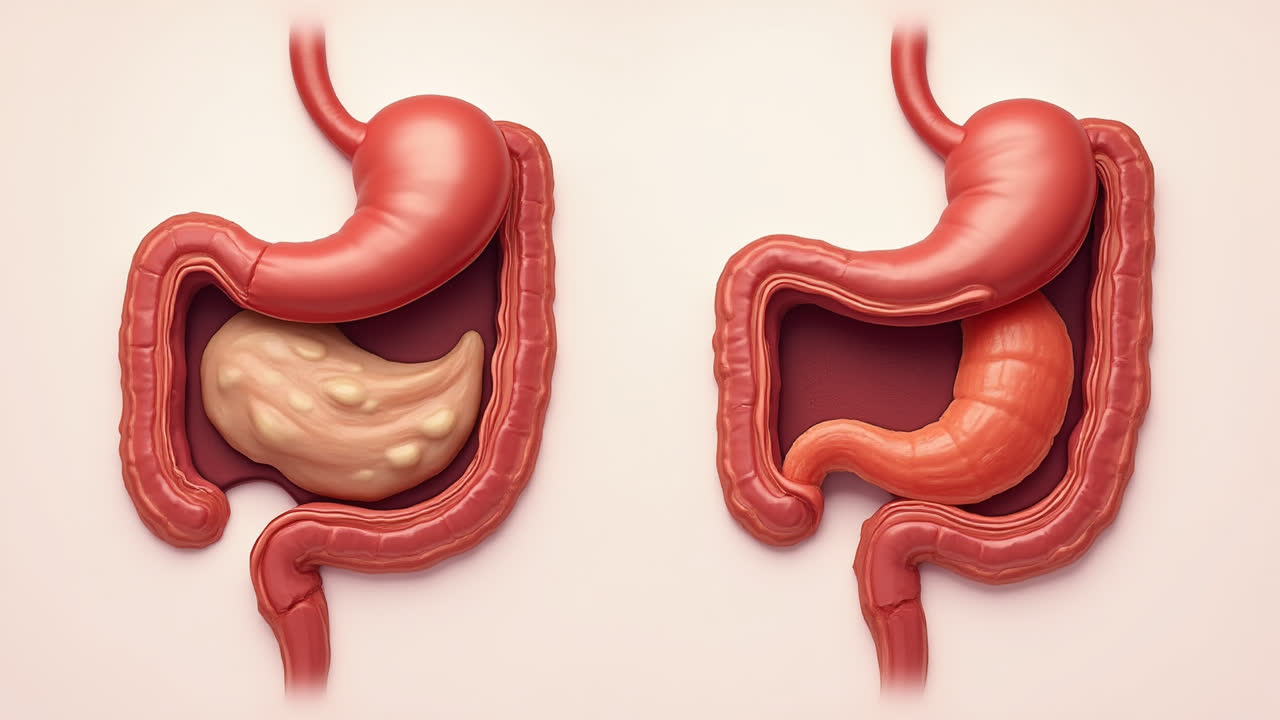
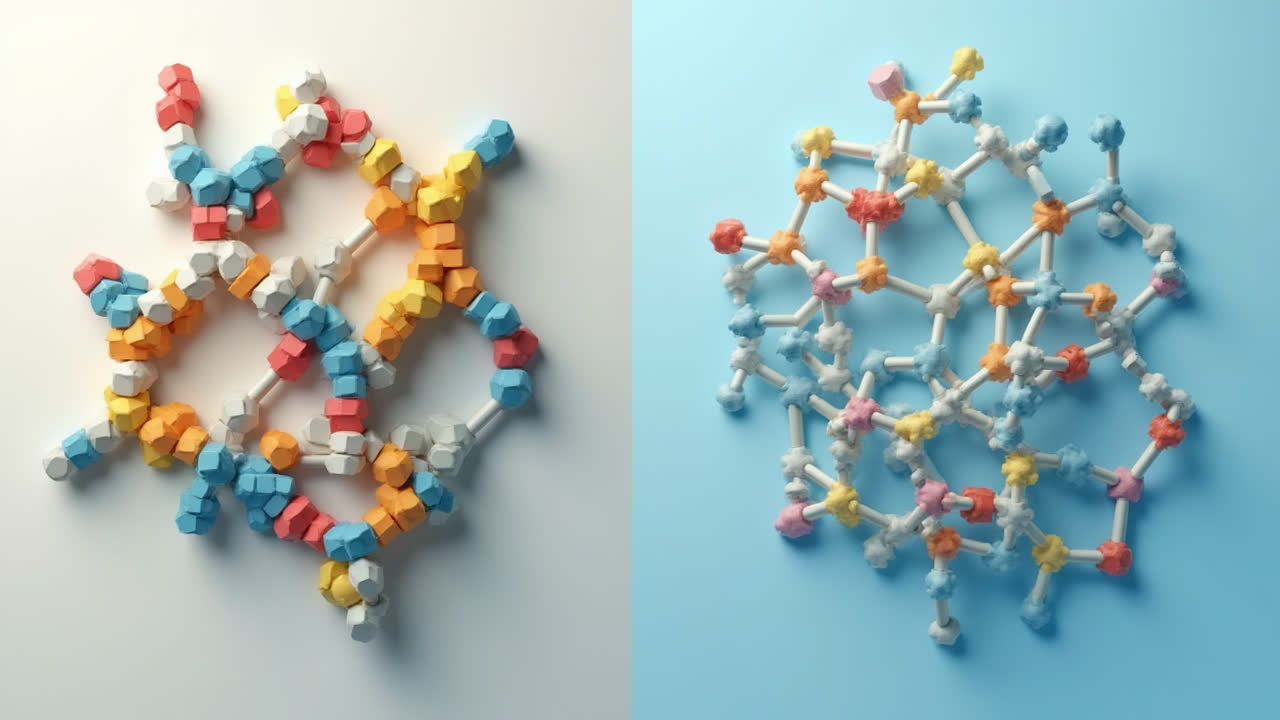
Positive vs Negative Blood Types: Essential Differences Explained
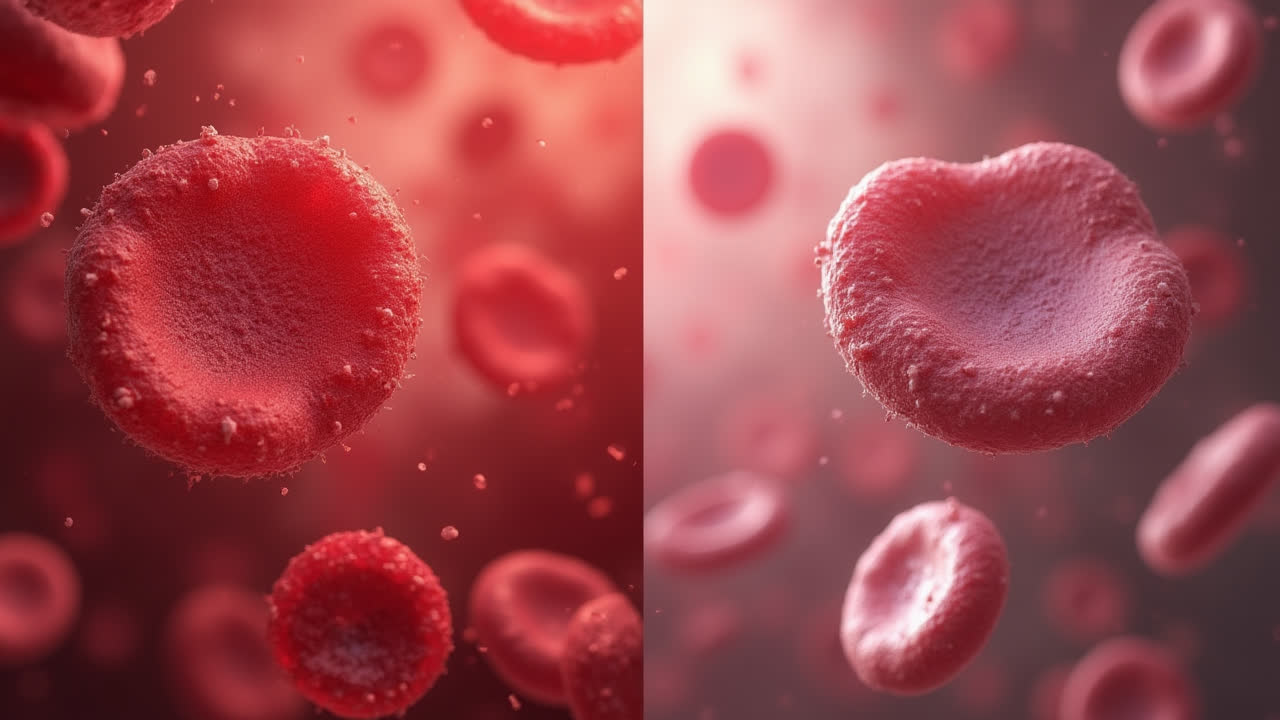
Have you ever wondered why blood types matter so much during medical emergencies? I certainly did, until I donated blood for the first time and learned I was Rh negative—a relatively rare blood type that affects only about 15% of the population. The difference between positive and negative blood types goes beyond simple classification—it can literally be a matter of life and death in certain situations.
Blood typing is one of medicine's most critical discoveries, preventing countless transfusion reactions that once puzzled and frustrated doctors. Today, we'll explore the fascinating world of blood group systems, specifically focusing on what makes positive blood different from negative blood, and why this distinction matters for your health.
Understanding the Basics of Blood Types
Before diving into positive and negative blood types, we need to understand that your blood type is determined by the presence or absence of specific proteins called antigens on the surface of your red blood cells. These antigens act like identity markers that your immune system uses to distinguish between "self" and "foreign" cells.
The most well-known blood typing system is the ABO system, which classifies blood as A, B, AB, or O based on the presence of A and B antigens. But there's another equally important system called the Rh blood group system, which determines whether your blood is positive or negative. This classification is based solely on the presence or absence of the Rh factor (specifically, the D antigen) on your red blood cells.
I remember learning about blood types in biology class, but it wasn't until I saw my blood donation card that it really clicked—my blood type wasn't just A or O, but actually A-negative, meaning I lack this important Rh factor that most people have. This seemingly small distinction actually has major implications for blood transfusions and pregnancy.
What Makes Blood Positive?
When we talk about positive blood, we're referring to blood that contains the Rh factor (antigen D) on the surface of red blood cells. If you have positive blood, it means your genetic makeup includes either the DD or Dd genotype, as the D allele is dominant. The presence of even one D allele is enough to produce the Rh factor.
About 85% of the global population has positive blood, though this percentage varies significantly based on ethnicity and geographical location. For instance, the prevalence of Rh-positive blood is higher in certain Asian populations compared to European populations.
Positive blood types include A+, B+, AB+, and O+. The plus sign indicates the presence of the Rh factor in addition to the ABO blood group classification. If you have positive blood, your body doesn't produce anti-D antibodies naturally, which means you can typically receive transfusions from both positive and negative donors of the compatible ABO type.
I've often wondered why more people have positive blood than negative. From an evolutionary perspective, it likely provided some advantage—perhaps resistance to certain diseases or better adaptation to environmental conditions in our ancestors. Isn't it fascinating how these tiny proteins on our cells shaped human evolution?
What Makes Blood Negative?
Negative blood lacks the Rh factor (antigen D) on the red blood cells. If you have negative blood, your genotype is dd, with both alleles being recessive. This absence of the Rh factor is what defines blood as "negative" in the Rh blood group system.
Only about 15% of people worldwide have negative blood, making it considerably less common than positive blood. The distribution isn't equal across all populations—for example, about 15-16% of Caucasians, 8% of African Americans, and only 1% of Asian populations have Rh-negative blood.
Negative blood types include A-, B-, AB-, and O-. The minus sign indicates the absence of the Rh factor. What makes negative blood particularly interesting is that individuals with this blood type can develop anti-D antibodies if exposed to Rh-positive blood. These antibodies will attack and destroy any Rh-positive red blood cells that enter their bloodstream in future exposures.
This immune response is what creates complications during pregnancy and blood transfusions. I've heard stories from friends with Rh-negative blood who needed special monitoring during pregnancy. One of them told me she had to receive an injection called Rhogam to prevent her body from developing antibodies against her baby's potentially Rh-positive blood. Medical science has come so far in understanding and managing these complications!
Clinical Significance: Why the Difference Matters
The distinction between positive and negative blood becomes critically important in two main scenarios: blood transfusions and pregnancy. Understanding these implications can help you appreciate why medical professionals are so careful about blood typing.
In blood transfusions, giving Rh-positive blood to someone with Rh-negative blood can trigger a potentially dangerous immune response called a hemolytic transfusion reaction (HTR). During this reaction, the recipient's immune system attacks the donated red blood cells, causing them to rupture and release their contents. Symptoms can range from fever and back pain to kidney failure and, in severe cases, death.
This is why people with Rh-negative blood can only safely receive Rh-negative blood. However, those with Rh-positive blood can receive either Rh-positive or Rh-negative blood (as long as the ABO types are compatible). This flexibility makes Rh-negative blood, especially O-negative—the universal donor—extremely valuable in emergency situations when there's no time to determine a patient's blood type.
During pregnancy, if an Rh-negative woman carries an Rh-positive baby (which can happen if the father is Rh-positive), her body might develop antibodies against the baby's blood if their blood mixes, typically during delivery. While this usually doesn't affect the first pregnancy, these antibodies can cross the placenta in subsequent pregnancies and attack the red blood cells of an Rh-positive fetus, causing hemolytic disease of the newborn (HDN)—a potentially serious condition.
To prevent this, Rh-negative pregnant women often receive RhoGAM (Rh immunoglobulin) injections during pregnancy and after delivery of an Rh-positive baby. This remarkable medication prevents the mother's immune system from developing antibodies against the Rh factor, protecting future pregnancies.
Comparison Table: Positive vs Negative Blood
| Characteristic | Positive Blood | Negative Blood |
|---|---|---|
| Definition | Contains Rh factor (antigen D) on red blood cells | Lacks Rh factor on red blood cells |
| Genotype | DD or Dd (dominant) | dd (recessive) |
| Global prevalence | Approximately 85% of population | Approximately 15% of population |
| Anti-D antibodies | Naturally absent in serum | May develop after exposure to Rh+ blood |
| Blood types | A+, B+, AB+, O+ | A-, B-, AB-, O- |
| Can donate to | Only Rh-positive recipients | Both Rh-positive and Rh-negative recipients |
| Can receive from | Both Rh-positive and Rh-negative donors | Only Rh-negative donors |
| Pregnancy concerns | No specific Rh-related concerns | Monitoring needed if baby may be Rh-positive |
Historical Context and Discovery of the Rh Factor
The story behind the discovery of the Rh factor is quite fascinating. The term "Rh" comes from Rhesus macaques, a species of monkey used in early blood research. In 1940, Karl Landsteiner and Alexander Wiener discovered that rabbits injected with Rhesus monkey blood produced an antibody that would also react with about 85% of human blood samples.
This discovery led to the identification of the Rh factor, which was later found to be distinct from the monkey blood factor but retained the name. The identification of the Rh factor was a groundbreaking advancement that helped explain previously mysterious cases of transfusion reactions and newborn hemolytic disease.
Before this discovery, doctors were puzzled by cases where blood transfusions between seemingly compatible ABO blood types still resulted in severe reactions. Similarly, some newborns would develop jaundice and anemia for reasons that weren't understood. The discovery of the Rh factor solved these medical mysteries and saved countless lives.
It's amazing to think about how relatively recent this discovery is—less than a century ago! Modern medicine has come so far in such a short time. Sometimes I wonder what medical breakthroughs are happening right now that will seem obvious to future generations.
Beyond D: Other Rh Antigens and Rare Blood Types
While we commonly use "Rh-positive" and "Rh-negative" to refer to the presence or absence of the D antigen, the Rh blood group system is actually much more complex. To date, at least 49 different Rh antigens have been identified, with five being particularly significant: D, C, c, E, and e.
These Rh antigens result from two genes—RHD and RHCE—that undergo various genetic rearrangements to produce different combinations of antigens. This complexity creates rare blood types that can be extremely difficult to match for transfusions.
One particularly rare phenotype is Rh-null, sometimes called "golden blood," where individuals lack all Rh antigens. This blood type is so rare that fewer than 50 people worldwide are known to have it. People with Rh-null blood can only receive transfusions from other Rh-null donors, making medical treatment challenging in emergencies.
I once read about a man with Rh-null blood who had to travel with his own frozen blood supply when visiting countries with less advanced medical systems. Can you imagine the stress of knowing that your blood type is so rare that most hospitals wouldn't be able to help you in an emergency? It really puts into perspective how fortunate most of us are to have relatively common blood types.
Frequently Asked Questions About Positive and Negative Blood
Can a person with Rh-negative blood receive Rh-positive blood in an emergency?
While it's generally avoided, in life-threatening emergencies where Rh-negative blood is unavailable, doctors might sometimes transfuse Rh-positive blood to an Rh-negative patient. This decision is made very carefully, weighing the immediate risk of death against the risk of a hemolytic transfusion reaction. This is more commonly considered for male patients or females beyond childbearing age, as the consequences of Rh sensitization are less severe for these groups. However, this creates Rh sensitization, meaning the patient will develop anti-D antibodies and can never safely receive Rh-positive blood again.
Why is O-negative blood considered the "universal donor" type?
O-negative blood is considered the universal donor because it lacks both the A and B antigens from the ABO system and the Rh factor (D antigen). This means it won't trigger an immune response in recipients of any blood type in most cases. In emergency situations where there's no time to determine a patient's blood type, O-negative blood can be safely transfused. This makes O-negative blood extremely valuable for trauma centers and emergency rooms. However, even O-negative blood contains other minor antigens that can sometimes cause reactions in certain recipients, so it's still preferable to use type-specific blood when possible.
Can blood type change from positive to negative or vice versa over time?
No, your blood type is genetically determined and remains constant throughout your life under normal circumstances. It cannot change from positive to negative or vice versa. However, some rare situations can cause temporary changes in how blood type tests appear, such as certain cancers, massive transfusions, bone marrow transplants, or some medications. For example, a person who receives a bone marrow transplant from a donor with a different blood type may eventually develop the donor's blood type, as the new marrow produces blood cells with different antigens. These are considered special medical circumstances rather than true changes in a person's inherent blood type.
The Future of Blood Typing and Transfusion Medicine
Blood typing technology continues to advance, with researchers developing more precise methods to identify not just major blood groups but also the numerous minor antigens that can still cause transfusion reactions in some patients. This increased precision is particularly important for patients who require regular transfusions, such as those with sickle cell disease or thalassemia.
One exciting area of research involves the development of artificial blood or blood substitutes that could eliminate the need for blood type matching altogether. Scientists are also exploring ways to enzymatically convert type A, B, and AB blood into the universal O type by removing the ABO antigens from red blood cells. Similarly, researchers are investigating methods to mask or neutralize the Rh factor to make all blood universally transfusable.
Gene therapy might someday allow for the modification of a person's blood type, which could be life-changing for those with rare blood types who struggle to find compatible donors. However, these technologies are still in developmental stages and aren't yet available for clinical use.
The field of transfusion medicine has come such a long way since the early days of trial-and-error blood transfusions. Who knows what breakthroughs the next few decades might bring? Perhaps our children or grandchildren will look back at our current blood typing systems as quaintly outdated technology.
Conclusion
The difference between positive and negative blood types represents one of medicine's most important distinctions. This simple classification—based on the presence or absence of the Rh factor on red blood cells—has profound implications for blood transfusions and pregnancy management.
Understanding your blood type, including whether you're Rh-positive or Rh-negative, is an important part of health literacy. It can be particularly crucial information during medical emergencies, surgeries, or pregnancy. If you don't know your blood type, consider asking your doctor to include it in your next routine blood test or donate blood to find out.
The complexity of human blood types reminds us of both our biological diversity and our interconnectedness. Despite our different blood types, advanced medical knowledge allows us to safely help one another through blood donation—a beautiful example of how science enables human compassion and care.