Saturated vs Unsaturated Polyester Resin: Complete Comparison Guide
When diving into the world of polymer chemistry, understanding the differences between saturated and unsaturated polyester resin becomes essential for both professionals and hobbyists. These versatile materials power countless industries and products we encounter daily, yet many aren't familiar with what makes each type unique. Have you ever wondered why some polyester resins harden quickly with a catalyst while others require heat treatment?
The fundamental distinction lies in their chemical structure – particularly the presence or absence of double bonds. This seemingly small difference dramatically affects everything from how these resins cure to their final properties and suitable applications. I've worked with both types extensively in manufacturing settings, and the choice between them can make or break your project's success.
In this comprehensive guide, I'll walk you through the key differences between these two polyester resin varieties, their formation processes, unique properties, and ideal applications. Whether you're in composite manufacturing, coatings development, or simply curious about the materials around you, this knowledge will help you make informed decisions about which polyester resin is right for your specific needs.
Understanding Polyester Resins: The Basics
Polyester resins are synthetic polymers that have revolutionized numerous industries with their versatility and durability. Before we dive into the specifics of saturated versus unsaturated varieties, let's establish a foundation. At their core, polyester resins are formed through condensation polymerization – a chemical process where monomers join together, releasing small molecules (typically water) as a byproduct.
I remember my first chemistry class where we created simple polyesters in the lab. The process seemed almost magical – combining relatively simple chemicals that transformed into something entirely new with valuable properties. This fundamental reaction is the starting point for both types of polyester resins we're discussing today.
Both saturated and unsaturated polyester resins share some common characteristics. They're both thermosetting polymers, meaning once they cure, they form permanent chemical bonds that cannot be reversed through heating. This distinguishes them from thermoplastics, which can be repeatedly melted and reshaped. Additionally, both types require some form of curing process to achieve their final properties, though the mechanisms differ significantly – and that's where our story of differences begins.
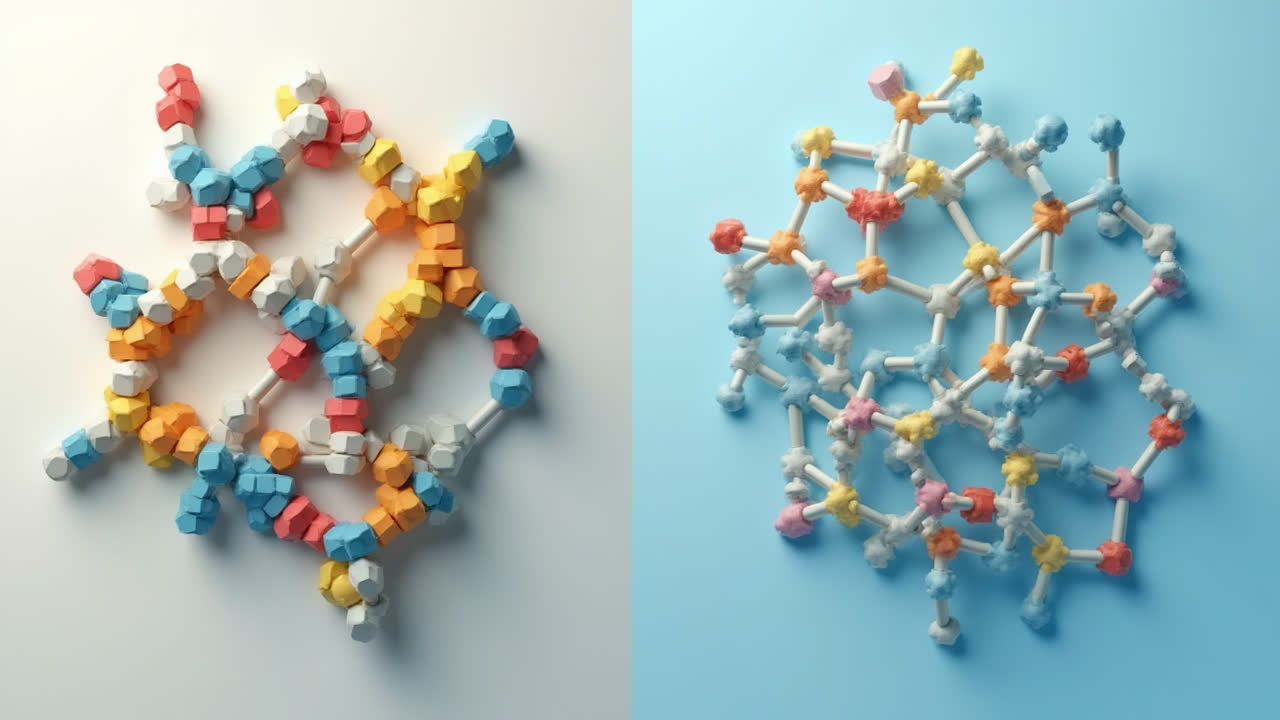
The terminology can sometimes be confusing. When chemists talk about "saturation," they're referring to the bonds between carbon atoms in the molecule. A saturated molecule has only single bonds between carbon atoms (C-C), while an unsaturated one contains at least some double bonds (C=C). This seemingly small difference in molecular structure creates profound differences in behavior and applications.
Saturated Polyester Resin: Properties and Formation
Saturated polyester resin is characterized by its lack of carbon-carbon double bonds in the molecular structure. These resins are formed through the condensation polymerization of saturated diols (like ethylene glycol or propylene glycol) with saturated dicarboxylic acids (such as phthalic anhydride, isophthalic acid, or adipic acid). The resulting polymer consists of a linear chain of saturated repeating units connected by ester linkages.
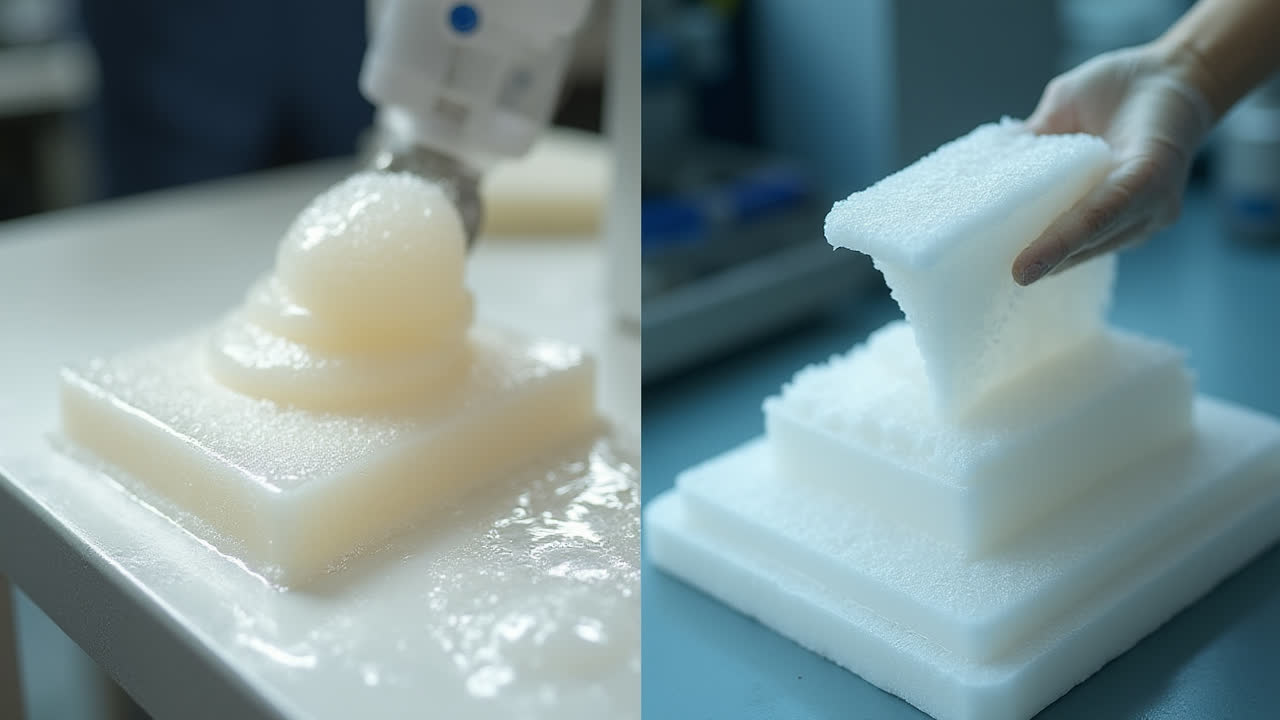
The absence of double bonds in saturated polyester resins has significant implications for how they cure and behave. Without these reactive sites, these resins typically cure through esterification reactions, often requiring heat to complete the process. This gives them a longer working time and more controlled curing process compared to their unsaturated counterparts. I've found this particularly useful in applications where precise positioning or alignment is needed before the resin sets.
One of the standout qualities of saturated polyester resins is their excellent dimensional stability. Once cured, these materials maintain their shape and size even under varying environmental conditions. They also exhibit impressive mechanical properties, including high tensile strength, compressive strength, and impact resistance. This makes them ideal for applications where structural integrity is paramount.
Perhaps most impressive is their chemical resistance profile. Saturated polyester resins demonstrate remarkable resistance to various chemicals, oils, and solvents. I once witnessed a demonstration where a saturated polyester coating protected a metal surface from corrosive acid that would have otherwise caused immediate damage. This property makes them invaluable in environments where exposure to harsh chemicals is a concern.
Unsaturated Polyester Resin: Properties and Formation
In contrast to their saturated counterparts, unsaturated polyester resins contain carbon-carbon double bonds within their molecular structure. These resins are produced through the reaction of unsaturated diols (like propylene glycol or glycerol) with unsaturated dicarboxylic acids (such as maleic anhydride or fumaric acid). The presence of these double bonds creates reactive sites throughout the polymer chain.
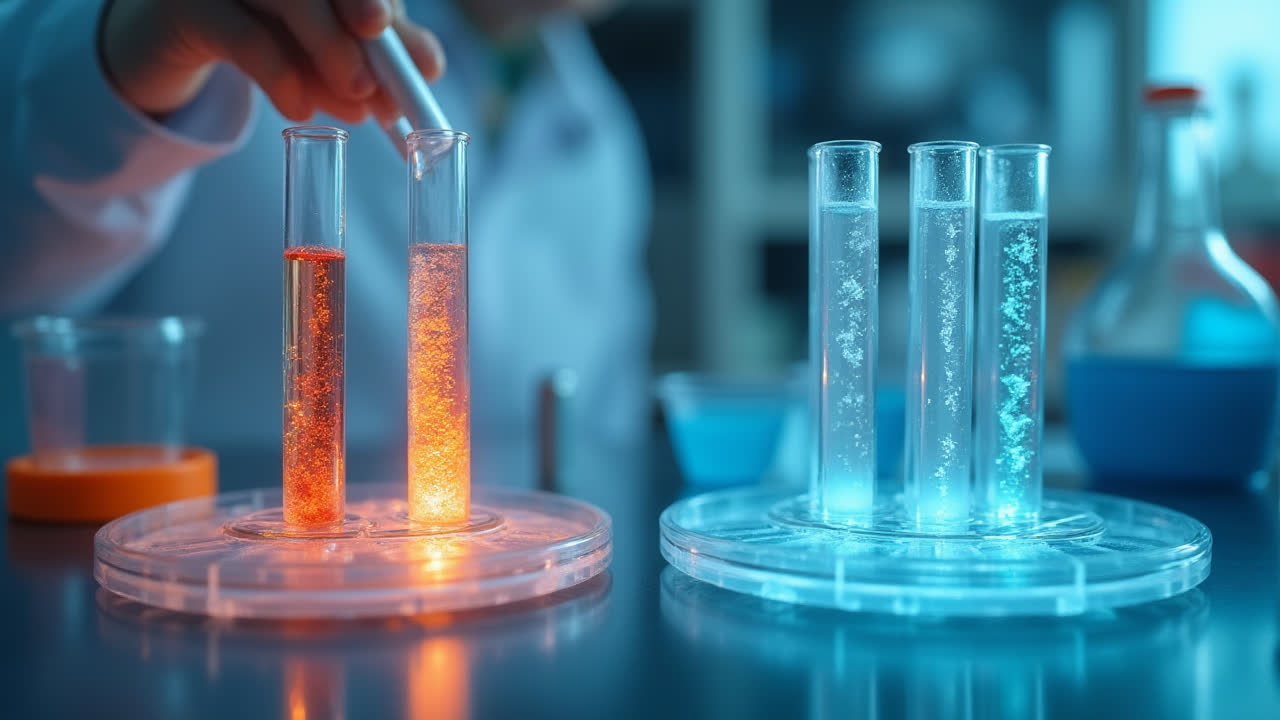
The defining feature of unsaturated polyester resins is their curing mechanism. These resins typically cure through free-radical polymerization, a process initiated by catalysts and accelerators. When mixed with a suitable catalyst (often methyl ethyl ketone peroxide or MEKP), the double bonds in the resin react with styrene monomers (commonly used as a diluent) to form cross-links between polymer chains. This reaction can occur at room temperature and results in a rigid, three-dimensional network.
From my hands-on experience, the most noticeable practical difference is how quickly unsaturated polyester resins can cure. I've worked on projects where we needed rapid setting times, and the ability to adjust cure rates by controlling catalyst amounts gave us tremendous flexibility. The exothermic reaction during curing can be quite dramatic – I've seen large pours generate enough heat to be uncomfortable to touch!
Unsaturated polyester resins offer excellent mechanical properties after curing, including high tensile strength, flexural strength, and impact resistance. The cross-linked structure provides rigidity and durability that makes these resins suitable for demanding applications. While they may not match the chemical resistance of saturated varieties in all circumstances, they still offer good resistance to many common substances.
One advantage that sometimes gets overlooked is the versatility in forming complex shapes. Unsaturated polyester resins can be easily molded, cast, or laminated before curing, allowing for intricate designs that would be challenging to achieve with other materials. This has made them particularly popular in the marine industry, where complex hull shapes can be constructed with fiberglass reinforcement.
Comparative Analysis: Saturated vs Unsaturated Polyester Resin
| Characteristic | Saturated Polyester Resin | Unsaturated Polyester Resin |
|---|---|---|
| Chemical Structure | No carbon-carbon double bonds | Contains carbon-carbon double bonds |
| Formation | Reaction of saturated diols with saturated dicarboxylic acids | Reaction of unsaturated diols with unsaturated dicarboxylic acids |
| Curing Mechanism | Crosslinking through esterification (heat-activated) | Free-radical polymerization (catalyst-activated) |
| Curing Conditions | Typically requires heat | Can cure at room temperature with catalyst |
| Chemical Resistance | Excellent resistance to various chemicals | Good resistance but generally less than saturated |
| Dimensional Stability | Excellent | Good but may experience more shrinkage |
| Common Applications | Powder coatings, industrial finishes, can linings | Fiberglass composites, boat hulls, automotive parts |
| Working Time | Longer working time | Shorter working time once catalyst is added |
When comparing these two types of polyester resins, it's crucial to consider the specific requirements of your application. Neither type is inherently "better" – they simply have different properties that make them suitable for different uses. The choice often comes down to factors like cure time requirements, operating environment, and mechanical property needs.
In my experience, saturated polyester resins excel in applications requiring exceptional chemical resistance and long-term dimensional stability. Their heat-activated curing makes them ideal for controlled manufacturing environments. Meanwhile, unsaturated polyester resins shine in applications where room-temperature curing, rapid setting, or integration with fiberglass reinforcement is desired.
Applications and Industry Uses
Saturated Polyester Resin Applications
Saturated polyester resins have carved out essential niches across multiple industries. One of their most widespread uses is in powder coatings, where they provide durable, chemical-resistant finishes for everything from appliances to automotive parts. The powder coating industry has embraced these resins for their excellent adhesion, impact resistance, and weather durability.
In the packaging industry, saturated polyester resins are commonly used for can and container linings. Their chemical resistance prevents interaction between the container material and its contents, preserving product quality and extending shelf life. I've toured beverage facilities where these linings protect both the can from the liquid and vice versa – a critical function we rarely think about as consumers.
Another significant application is in industrial coatings and finishes. These resins provide protective and decorative coatings for a wide range of surfaces, offering excellent resistance to UV radiation, moisture, and chemical exposure. They're also found in adhesives, sealants, and as binders in composite materials where their dimensional stability and strength are valuable assets.
Unsaturated Polyester Resin Applications
Unsaturated polyester resins dominate in the world of fiber-reinforced composites. The marine industry relies heavily on these resins in combination with fiberglass to construct boat hulls, decks, and components that offer an excellent strength-to-weight ratio while resisting water damage. I've watched skilled boat builders layer fiberglass mats with catalyzed resin to create structures that are remarkably strong yet lightweight.
The automotive sector utilizes unsaturated polyester resins for body panels, components, and repairs. Their ability to be easily molded into complex shapes, rapid curing, and good mechanical properties make them ideal for these applications. Many of the aftermarket body kits and custom components in the automotive world start as unsaturated polyester resin formulations.
Construction and infrastructure also benefit from these versatile materials. Cultured marble, synthetic granite, and other engineered stone products often use unsaturated polyester resins as binders. They're also found in corrosion-resistant pipes, tanks, and structural components where traditional materials would fail in aggressive environments.
The electrical and electronics industry employs unsaturated polyester resins for insulation components, circuit boards, and encapsulation. Their electrical insulation properties combined with good mechanical strength and thermal stability make them valuable in applications where safety and reliability are paramount.
Frequently Asked Questions About Polyester Resins
How do I determine whether I need saturated or unsaturated polyester resin for my project?
Choosing between saturated and unsaturated polyester resin depends on your specific application requirements. Consider factors like cure conditions (do you need room temperature curing or can you apply heat?), working time needed, environmental exposure (chemicals, UV, moisture), and mechanical properties required. Generally, choose unsaturated polyester resin for fiberglass reinforced parts, room temperature curing, and applications where rapid setting is beneficial. Opt for saturated polyester resin when superior chemical resistance, dimensional stability, and controlled curing processes are priorities. When in doubt, consulting with a polymer specialist can help you make the right choice for your specific needs.
Can saturated polyester resin be used in place of unsaturated polyester resin in fiberglass applications?
Saturated polyester resin is generally not suitable as a direct replacement for unsaturated polyester resin in fiberglass applications. The fundamental difference lies in their curing mechanisms. Unsaturated polyester resins contain reactive double bonds that allow them to form strong cross-links with styrene monomers during the catalyst-activated curing process, creating an excellent bond with fiberglass reinforcement. Saturated polyester resins lack these double bonds and typically require heat for curing through esterification, making them unable to form the same type of strong cross-linked structure with fiberglass at room temperature. For fiberglass applications like boat construction, automotive parts, and composites, unsaturated polyester resins remain the standard choice due to their compatible curing mechanism and resulting mechanical properties.
What safety precautions should be taken when working with polyester resins?
When working with polyester resins, safety should be your top priority. Always work in a well-ventilated area, as both types of resin emit vapors that can be harmful if inhaled. Wear appropriate personal protective equipment including chemical-resistant gloves, safety goggles, and protective clothing to prevent skin and eye contact. For unsaturated polyester resins, be particularly careful with catalysts like MEKP (methyl ethyl ketone peroxide), which can cause severe burns and eye damage. Never mix catalysts directly with promoters as this can cause violent reactions. Keep a fire extinguisher nearby, as some components are flammable. Familiarize yourself with the material safety data sheets (MSDS) for all products you're using, and have a plan for spill containment and proper disposal of waste materials. Lastly, if working with large quantities, be aware of the exothermic reaction during curing, which can generate significant heat and potentially lead to fire hazards if not properly managed.
Conclusion: Choosing the Right Polyester Resin
The distinction between saturated and unsaturated polyester resins goes far beyond simple chemistry – it has practical implications for countless applications across multiple industries. The key difference remains in their molecular structure: saturated resins lack double bonds and crosslink through ester linkages, while unsaturated resins contain reactive double bonds and cure through free-radical polymerization.
Selecting the appropriate type for your specific application requires careful consideration of factors including curing conditions, working time requirements, chemical exposure, mechanical property needs, and cost constraints. There's rarely a one-size-fits-all answer, and sometimes the best solution might even involve specialized formulations or hybrids that combine characteristics of both types.
As polymer technology continues to advance, we're seeing increasingly specialized formulations that push the boundaries of what these versatile materials can achieve. Innovations in additives, reinforcements, and processing techniques are expanding the potential applications for both saturated and unsaturated polyester resins.
Whether you're developing new products, selecting materials for an existing application, or simply satisfying your curiosity about the materials that surround us, understanding the fundamental differences between these polyester resin types provides valuable insight. The right choice can mean the difference between product success and failure, especially in demanding applications where performance under specific conditions is critical.
What polyester resin projects are you working on? The answer to whether you need saturated or unsaturated varieties likely lies in the specific requirements of your application – and now you have the knowledge to make that determination with confidence.