Staphylococcus Aureus vs Epidermidis: Key Differences Explained
The human body harbors countless microorganisms, with Staphylococcus bacteria being among the most prevalent on our skin and mucous membranes. Within this genus, two species stand out due to their significant yet distinct impacts on human health: Staphylococcus aureus and Staphylococcus epidermidis. While these bacterial cousins share many characteristics, their differences in virulence and pathogenicity make understanding them crucial for healthcare professionals and the general public alike.
Both S. aureus and S. epidermidis are Gram-positive, cocci-shaped bacteria that naturally reside on human skin. However, S. aureus has earned a reputation as a dangerous pathogen capable of causing severe infections in both healthy and immunocompromised individuals, while S. epidermidis generally acts as a commensal organism that only becomes problematic in specific circumstances, particularly involving medical implants. This fundamental difference in pathogenicity is just the beginning of what separates these two bacterial species.
Have you ever wondered why some bacterial infections are more serious than others, even when the bacteria seem similar? The answer lies in their unique characteristics and virulence factors. In this comprehensive comparison, we'll explore how these two Staphylococcus species differ in their structures, infection mechanisms, clinical significance, and treatment approaches. Whether you're a healthcare student, a curious reader, or someone dealing with a Staphylococcus infection, this guide will provide valuable insights into these important microorganisms.
Understanding Staphylococcus Aureus
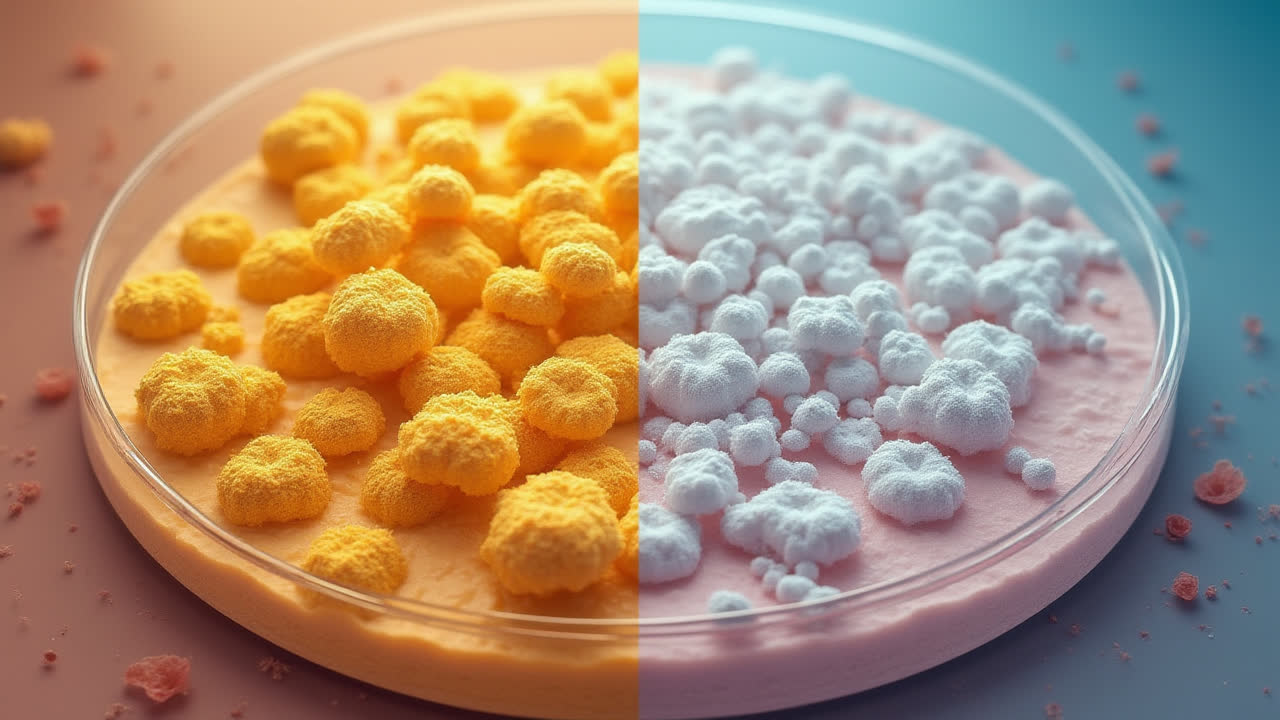
S. aureus is perhaps the most notorious member of the Staphylococcus genus, known for its remarkable ability to cause a wide range of infections. This golden-colored bacterium (hence the name "aureus," meaning gold) is a common resident of the human body, particularly in the nasal passages, respiratory tract, and on the skin. Despite this seemingly peaceful coexistence, S. aureus is an opportunistic pathogen that can quickly turn dangerous when it breaches the skin barrier or enters normally sterile sites within the body.
What makes S. aureus particularly concerning is its arsenal of virulence factors. This bacterium produces numerous enzymes and toxins that enable it to invade tissues, evade the immune system, and damage host cells. Among these are coagulase (which helps form protective clots around bacterial cells), hemolysins (which destroy red blood cells), leukocidins (which target white blood cells), and various superantigens that can trigger excessive immune responses. These virulence factors contribute to S. aureus' ability to cause disease even in individuals with healthy immune systems.
The clinical manifestations of S. aureus infections range from relatively minor skin conditions to life-threatening systemic diseases. Skin infections such as impetigo, folliculitis, furuncles (boils), and carbuncles are among the most common presentations. More severe infections include cellulitis (infection of the deeper skin layers), abscesses, pneumonia, osteomyelitis (bone infection), endocarditis (heart valve infection), toxic shock syndrome, and septicemia (bloodstream infection). The versatility of S. aureus as a pathogen is one of its most defining characteristics.
Perhaps the most concerning aspect of S. aureus in modern healthcare is the emergence and spread of antibiotic-resistant strains, particularly Methicillin-Resistant Staphylococcus aureus (MRSA). These resistant bacteria have evolved mechanisms to survive treatment with beta-lactam antibiotics, including penicillins and cephalosporins, making infections much more difficult to treat. MRSA infections can occur both in healthcare settings (hospital-acquired MRSA) and in the community (community-acquired MRSA), posing significant public health challenges worldwide.
Understanding Staphylococcus Epidermidis
In contrast to its more aggressive relative, S. epidermidis has long been considered a relatively harmless commensal bacterium. It's the most common Staphylococcus species found on human skin and mucous membranes, where it typically lives without causing any problems. In fact, S. epidermidis plays a beneficial role in maintaining skin health by competing with more pathogenic bacteria for space and nutrients, essentially forming part of the skin's first line of defense against potential invaders.
Despite its generally benign nature, S. epidermidis has gained increasing attention from the medical community due to its role as an opportunistic pathogen, particularly in healthcare settings. The primary virulence factor of S. epidermidis is its remarkable ability to form biofilms—complex communities of bacteria encased in a protective matrix of polysaccharides, proteins, and DNA. These biofilms can develop on various surfaces, including medical devices such as catheters, prosthetic heart valves, orthopedic implants, and intravenous lines.
Once established, biofilms provide S. epidermidis with significant protection against both the host immune system and antimicrobial agents. Bacteria within biofilms can be up to 1,000 times more resistant to antibiotics compared to their planktonic (free-floating) counterparts. This resistance isn't due to specific resistance genes (though these may also be present) but rather to the physical barrier created by the biofilm matrix and the altered metabolic state of the bacteria within it. Some cells within the biofilm enter a dormant state, allowing them to survive antibiotic treatment and later reactivate, potentially leading to persistent or recurrent infections.
The infections caused by S. epidermidis are typically healthcare-associated and occur predominantly in individuals with predisposing factors such as the presence of foreign bodies (medical implants), immunosuppression, premature birth, or prolonged hospitalization. Common S. epidermidis infections include catheter-related bloodstream infections, prosthetic joint infections, central nervous system shunt infections, endocarditis (particularly involving prosthetic valves), and certain eye infections. While generally less severe than S. aureus infections, S. epidermidis infections can be challenging to treat due to biofilm formation and increasing levels of antibiotic resistance.
Similar to S. aureus, many S. epidermidis strains have developed resistance to multiple antibiotics, including methicillin. These methicillin-resistant S. epidermidis (MRSE) strains further complicate treatment options. The ability of S. epidermidis to serve as a reservoir of resistance genes that can potentially be transferred to more virulent pathogens like S. aureus is an additional concern in the ongoing battle against antimicrobial resistance.
Key Similarities Between S. aureus and S. epidermidis
Before delving further into their differences, it's important to recognize that S. aureus and S. epidermidis share several fundamental characteristics, reflective of their close evolutionary relationship. Both are members of the genus Staphylococcus, which comprises Gram-positive cocci (spherical bacteria) that typically arrange in grape-like clusters when viewed under a microscope. This distinctive arrangement gives the genus its name, derived from the Greek words "staphyle" (bunch of grapes) and "kokkos" (berry).
Both species are facultative anaerobes, meaning they can grow in both the presence and absence of oxygen, though they prefer oxygen-rich environments. This metabolic flexibility contributes to their ability to thrive in various niches within the human body. Additionally, both species are non-motile and non-spore-forming, distinguishing them from certain other bacterial groups.
From a habitat perspective, both S. aureus and S. epidermidis are common colonizers of human skin and mucous membranes. They've evolved to survive the challenging conditions of the skin surface, including tolerance to high salt concentrations, resistance to desiccation (drying out), and the ability to utilize various skin substrates for growth. This adaptability helps explain why staphylococci are among the most common bacteria found on human skin.
In clinical settings, both species have emerged as significant causes of nosocomial (hospital-acquired) infections, particularly those associated with invasive procedures and implanted medical devices. They share certain mechanisms for attachment to host tissues and foreign materials, which represents the first critical step in the infection process. Both species can also develop biofilms, although S. epidermidis is generally considered more proficient at this particular virulence strategy.
Perhaps most concerning from a public health perspective is that both S. aureus and S. epidermidis have developed resistance to multiple antibiotics. Methicillin resistance, mediated primarily by the mecA gene encoding for an altered penicillin-binding protein (PBP2a), is common in both species. This resistance mechanism renders the entire class of beta-lactam antibiotics ineffective against these strains, significantly limiting treatment options.
Comparative Analysis: S. aureus vs. S. epidermidis
| Characteristic | Staphylococcus aureus | Staphylococcus epidermidis |
|---|---|---|
| Appearance | Golden yellow colonies | White to pale gray colonies |
| Coagulase Production | Positive (produces coagulase) | Negative (does not produce coagulase) |
| Primary Habitat | Anterior nares, skin, respiratory tract | Skin and mucous membranes |
| Pathogenicity | Highly pathogenic, causes infections in both healthy and immunocompromised individuals | Primarily opportunistic, mainly causes infections in individuals with predisposing factors |
| Common Infections | Skin infections, pneumonia, osteomyelitis, endocarditis, toxic shock syndrome, food poisoning | Device-related infections, catheter infections, prosthetic joint infections, endocarditis involving prosthetic valves |
| Biofilm Formation | Can form biofilms, but less dependent on this mechanism | Strong biofilm former, primary virulence mechanism |
| Toxin Production | Produces numerous toxins (hemolysins, leukocidins, enterotoxins, exfoliative toxins) | Limited toxin production |
| Antibiotic Resistance | High prevalence of MRSA (Methicillin-Resistant S. aureus) | High prevalence of MRSE (Methicillin-Resistant S. epidermidis) |
Clinical Significance and Treatment Approaches
The clinical management of infections caused by S. aureus and S. epidermidis differs significantly, reflecting their distinct pathogenic profiles. For S. aureus infections, especially those involving MRSA, treatment typically requires aggressive antibiotic therapy with agents such as vancomycin, linezolid, daptomycin, or newer antibiotics specifically developed to combat resistant strains. Surgical drainage of abscesses is often necessary as antibiotics alone may not penetrate these collections adequately. The rapid progression and potential severity of S. aureus infections necessitate prompt diagnosis and intervention.
S. epidermidis infections, with their strong association with implanted medical devices, often present a different challenge. The biofilm mode of growth renders these infections highly resistant to conventional antibiotic therapy. In many cases, successful treatment requires the removal of the infected device in addition to appropriate antibiotics. When device removal is not feasible, extended antibiotic courses (sometimes lasting weeks to months) may be necessary, often combining agents with different mechanisms of action to improve efficacy against biofilm-embedded bacteria.
Prevention strategies also differ between these two pathogens. For S. aureus, particularly in healthcare settings, measures focus on identifying and decolonizing carriers (especially for MRSA), strict adherence to hand hygiene, contact precautions for infected individuals, and appropriate cleaning and disinfection of the environment. For S. epidermidis, prevention centers more on reducing the risk of contamination during device insertion through strict aseptic technique, use of antimicrobial-impregnated devices in high-risk situations, and minimizing the duration of device placement when possible.
The emergence of multidrug-resistant strains of both species represents a serious threat to public health, driving ongoing research into alternative treatment approaches. These include bacteriophage therapy, which uses viruses that specifically infect bacteria; anti-virulence strategies that target bacterial virulence factors rather than killing the bacteria directly; and various biofilm-disrupting agents that might enhance the effectiveness of conventional antibiotics. Additionally, there's increasing interest in developing vaccines against S. aureus, although this has proven challenging due to the bacterium's complex pathogenicity and ability to evade immune responses.
Future Perspectives and Research Directions
The evolving landscape of Staphylococcus research continues to reveal new insights into these bacteria and their interactions with human hosts. Recent advances in genomics have enabled a deeper understanding of the genetic basis for virulence and antibiotic resistance in both S. aureus and S. epidermidis. Comparative genomic studies have shown that S. epidermidis possesses a more flexible genome with a higher proportion of mobile genetic elements, potentially explaining its remarkable adaptability to various environments, including the hostile surface of medical implants.
Interestingly, research is also shedding light on the potential beneficial roles of these bacteria, particularly S. epidermidis, in human health. Some strains of S. epidermidis produce antimicrobial peptides that inhibit the growth of more pathogenic bacteria, including S. aureus, contributing to the skin's defense mechanisms. Understanding these protective functions could lead to novel probiotic approaches for preventing certain bacterial infections or treating conditions like atopic dermatitis, where dysbiosis of the skin microbiome plays a role.
The recognition of staphylococci as part of complex microbial communities rather than isolated organisms has also opened new research avenues. The interactions between staphylococci and other members of the human microbiome may influence their behavior, including their tendency to cause disease or remain as harmless commensals. This ecological perspective suggests that maintaining a balanced microbiome might be an effective strategy for preventing staphylococcal infections, particularly in vulnerable populations.
As antibiotic resistance continues to spread, there's an urgent need for novel therapeutic approaches. Recent research has explored the potential of CRISPR-Cas systems for specifically targeting antibiotic resistance genes in staphylococci, potentially restoring susceptibility to conventional antibiotics. Other innovative approaches include anti-biofilm enzymes that can degrade the extracellular matrix of biofilms, making embedded bacteria more accessible to antibiotics and immune cells. The development of monoclonal antibodies targeting specific virulence factors represents another promising avenue, particularly for preventing severe S. aureus infections in high-risk patients.
Frequently Asked Questions
How can I tell if I have a Staphylococcus aureus or Staphylococcus epidermidis infection?
It's not possible to differentiate between S. aureus and S. epidermidis infections based on symptoms alone. Definitive diagnosis requires laboratory testing of samples from the infected site. However, certain patterns may suggest one over the other. S. aureus typically causes more acute, rapidly progressing infections with pronounced inflammation, pus formation, and systemic symptoms like fever. These often include skin abscesses, cellulitis, or impetigo. S. epidermidis infections tend to be more indolent (slow-developing) and are strongly associated with implanted medical devices such as catheters or prosthetic joints. If you suspect any type of bacterial infection, you should consult a healthcare provider for proper diagnosis and treatment.
Are there natural remedies effective against Staphylococcus infections?
While several natural substances have shown anti-staphylococcal activity in laboratory studies, including tea tree oil, manuka honey, garlic extract, and various plant compounds, there is insufficient clinical evidence to recommend these as primary treatments for established Staphylococcus infections. Some natural products may have a role as complementary approaches or in preventing minor skin infections, but serious staphylococcal infections require proper medical treatment with antibiotics. Additionally, some natural remedies may interfere with conventional antibiotics or cause skin irritation. Always consult with healthcare providers before using natural remedies, especially for serious infections or if you're already taking prescribed medications.
How can I reduce my risk of developing resistant Staphylococcus infections?
Several strategies can help reduce your risk of developing antibiotic-resistant Staphylococcus infections. First, practice good hand hygiene by washing hands thoroughly with soap and water, especially before touching wounds or handling medical devices. Keep cuts, scrapes, and wounds clean and covered until healed. Avoid sharing personal items that may contact skin or mucous membranes, such as towels, razors, or cosmetics. Use antibiotics only when prescribed by healthcare providers and complete the full course as directed, even if symptoms improve earlier. If you have a higher risk due to medical conditions or devices, discuss additional preventive measures with your healthcare team. In healthcare settings, don't hesitate to ask providers about their hand hygiene compliance and infection control measures being taken during procedures.
Conclusion
The comparison between Staphylococcus aureus and Staphylococcus epidermidis reveals a fascinating dichotomy within the same bacterial genus. While sharing many biological features, these two species have evolved distinct strategies for interacting with their human hosts. S. aureus has developed an impressive arsenal of virulence factors that enable it to cause acute, often severe infections in diverse host tissues. In contrast, S. epidermidis has specialized in forming biofilms on artificial surfaces, allowing it to persist as a more subtle but still significant pathogen, particularly in healthcare settings.
This distinction is not merely academic but has profound implications for diagnosis, treatment, and prevention strategies. Understanding the unique characteristics of these bacteria helps clinicians make informed decisions about appropriate antibiotic therapy, the necessity for device removal in implant-associated infections, and suitable infection control measures. For researchers, these differences provide valuable insights into bacterial pathogenicity and host-microbe interactions, potentially guiding the development of novel therapeutic approaches.
As we continue to face the challenge of increasing antibiotic resistance in both species, a nuanced understanding of their similarities and differences becomes even more crucial. By recognizing S. aureus as an aggressive pathogen requiring prompt, targeted intervention and S. epidermidis as a biofilm specialist demanding strategies to overcome this protective mechanism, we can develop more effective approaches to managing these common but distinct bacterial threats. The ongoing evolution of our understanding of these important pathogens underscores the dynamic nature of infectious disease research and the continuing need for innovation in antimicrobial strategies.