Straight vs. Branched Chain Hydrocarbons: Key Differences Explained
Straight vs. Branched Chain Hydrocarbons: Key Differences Explained
Understanding Hydrocarbon Structures
When exploring the fascinating world of organic chemistry, hydrocarbons stand out as fundamental building blocks of numerous substances we encounter daily. These compounds, composed solely of carbon and hydrogen atoms, form the backbone of petroleum products, natural gas, and countless synthetic materials. Have you ever wondered why some hydrocarbon-based products have different properties despite similar chemical compositions? The answer often lies in their molecular structure—specifically whether they possess straight or branched chains.
The molecular architecture of hydrocarbons dramatically influences their physical and chemical properties, determining everything from boiling points to solubility. Carbon atoms create the framework of these molecules, with hydrogen atoms attached in various configurations, resulting in diverse structures. The two primary structural arrangements we'll explore are straight-chain and branched-chain hydrocarbons—each with distinctive characteristics that make them suitable for specific applications.
I've always been fascinated by how such small changes in molecular structure can lead to significant differences in everyday products. From the gasoline that powers our vehicles to the plastics that make up countless household items, the arrangement of carbon atoms in these hydrocarbons affects our daily lives in ways most people never consider. Let's dive deeper into these two structural varieties and uncover what makes them unique.
Straight-Chain Hydrocarbons: Structure and Properties
Straight-chain hydrocarbons, as their name suggests, feature carbon atoms arranged in a linear, unbranched sequence. Imagine them as a simple string of carbon atoms with hydrogen atoms filling the remaining bonding sites. The simplest example is methane (CH₄), containing just one carbon atom with four hydrogen atoms attached. As the carbon chain lengthens, we get increasingly complex molecules like ethane (C₂H₆), propane (C₃H₈), and beyond.
One notable characteristic of straight-chain hydrocarbons is their relatively high boiling and melting points compared to their branched counterparts of similar molecular weight. This property stems from their linear structure, which allows molecules to pack closely together, creating stronger intermolecular forces. I've noticed this principle in action when comparing different grades of fuel—those with more straight-chain components tend to have different performance characteristics under various temperature conditions.
Another interesting property is their increased water solubility relative to branched structures. Though hydrocarbons are generally hydrophobic (water-repelling), the linear arrangement of straight-chain varieties permits slightly better interaction with water molecules. In terms of reactivity, these compounds are generally stable under normal conditions but readily undergo combustion reactions with oxygen—the reaction that powers internal combustion engines in most vehicles today.
Straight-chain hydrocarbons find applications as fuels, lubricants, solvents, and chemical feedstocks for manufacturing various products. Their predictable physical properties make them particularly valuable in industrial processes where consistent behavior is essential.
Branched-Chain Hydrocarbons: Structure and Properties
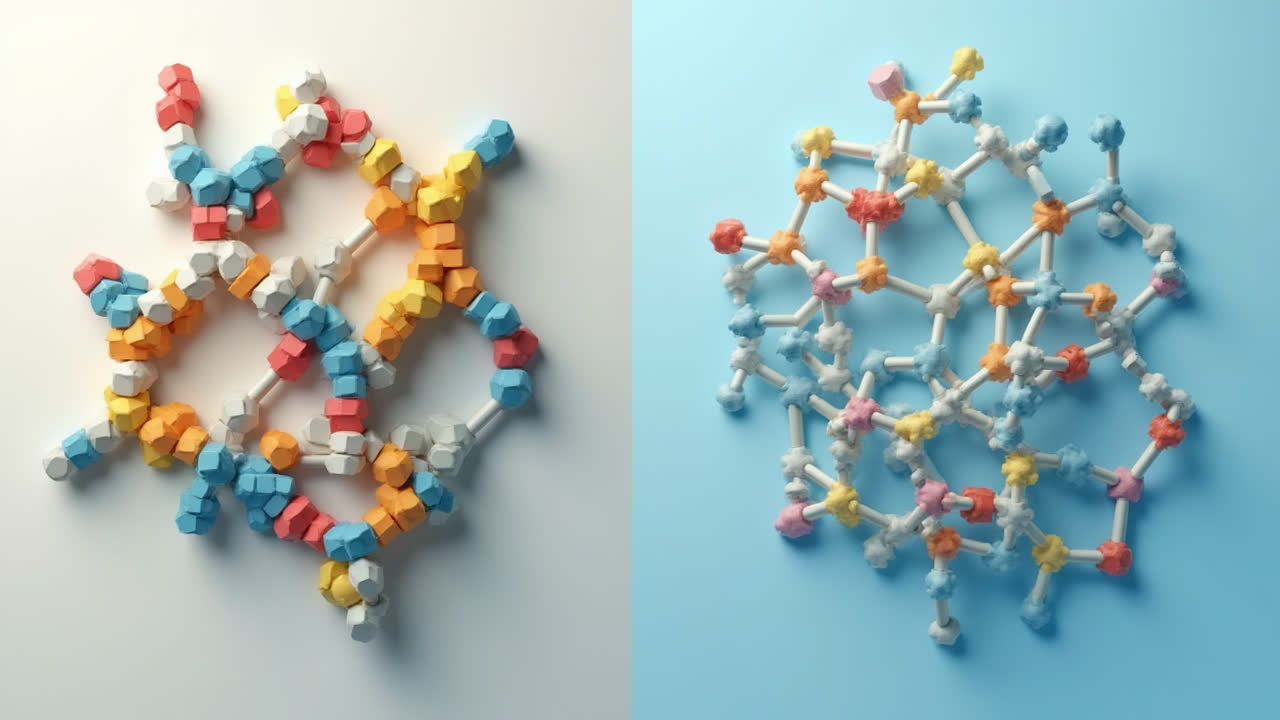
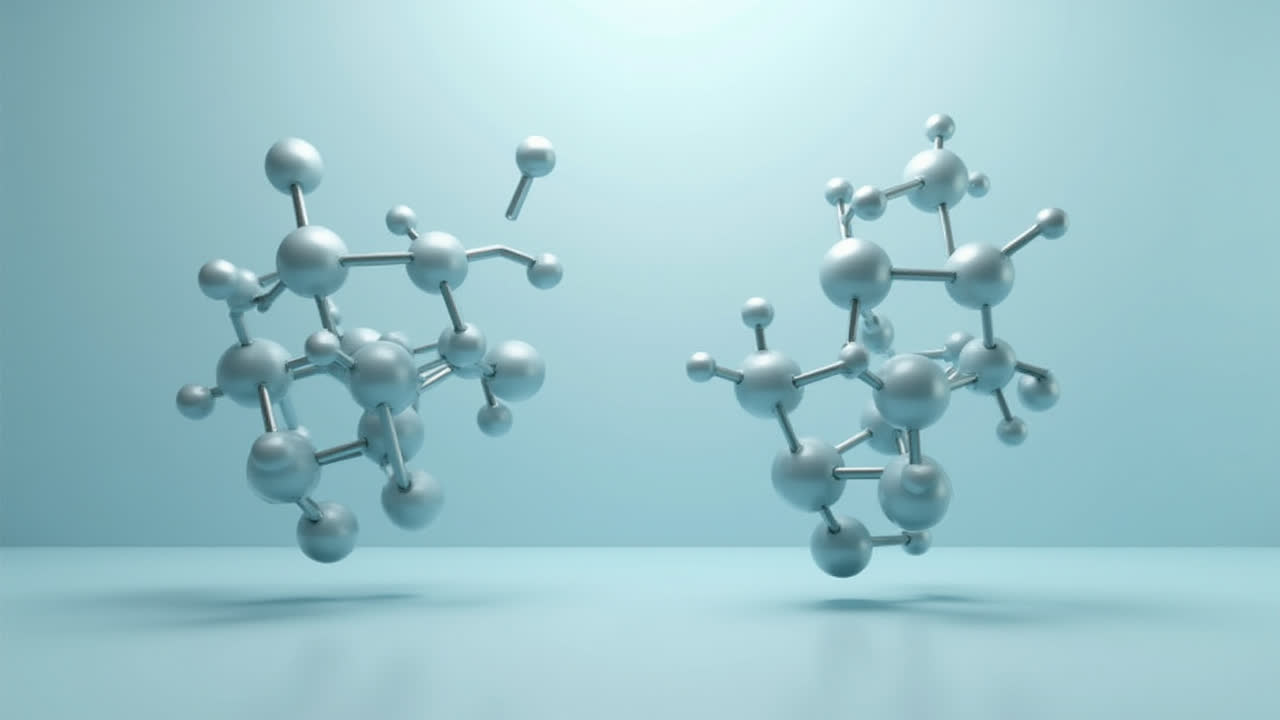
In contrast to their linear cousins, branched-chain hydrocarbons feature one or more side chains extending from the main carbon backbone. This structural arrangement creates molecules with the same chemical formula as straight-chain versions but with notably different physical properties. The branching can vary in length, position, and complexity, leading to numerous possible configurations for a single molecular formula—a phenomenon known as isomerism.
Perhaps the most significant difference between straight and branched hydrocarbons lies in their boiling and melting points. Branched structures exhibit lower values for both properties, which stems from their irregular shape disrupting the neat packing that straight chains can achieve. This disruption weakens intermolecular forces, requiring less energy to separate molecules during phase transitions. I remember learning this concept when studying why certain specialized fuels perform better in cold weather—their higher proportion of branched hydrocarbons prevents solidification at lower temperatures.
Branched hydrocarbons also display reduced viscosity compared to straight-chain variants, making them flow more easily. This property makes them particularly valuable in lubricant formulations where ease of movement is crucial. Interestingly, despite having lower water solubility, branched hydrocarbons are often more soluble in organic solvents, influencing their role in various chemical processes.
The reduced reactivity of branched-chain hydrocarbons under normal conditions can be advantageous in applications requiring chemical stability. However, they still participate in important reactions like combustion, halogenation, and hydrogenation. Applications for these compounds include specialized fuels, lubricants, refrigerants, and raw materials for plastics manufacturing.
Comparing Straight and Branched Chain Hydrocarbons
When examining these two structural variants side by side, several key differences become apparent. While both contain the same elements (carbon and hydrogen), their molecular arrangement creates distinct physical and chemical characteristics that determine their suitability for various applications. Sometimes I think about it like comparing identical building blocks arranged in different patterns—the components are the same, but the resulting structures serve different purposes.
| Property | Straight-Chain Hydrocarbons | Branched-Chain Hydrocarbons |
|---|---|---|
| Molecular Structure | Carbon atoms arranged in a linear sequence | Carbon backbone with one or more branches |
| Boiling Point | Higher | Lower |
| Melting Point | Higher | Lower |
| Reactivity | More reactive | Less reactive |
| Water Solubility | Slightly higher | Lower |
| Viscosity | Higher | Lower |
| Common Applications | Fuels, lubricants, chemical feedstocks | Specialized fuels, lubricants, refrigerants |
| Molecular Packing | More efficient packing | Less efficient packing |
Practical Applications in Everyday Life
The theoretical differences between straight and branched hydrocarbons translate into practical applications we encounter daily. In the automotive industry, for example, gasoline quality is often measured by its "octane rating," which relates to the proportion of branched hydrocarbons (specifically, a branched hydrocarbon called isooctane) compared to straight-chain heptane. Higher-octane fuels contain more branched structures, providing better performance in high-compression engines.
Lubricants represent another area where the structural distinction matters significantly. Motor oils often contain a mixture of both types, with branched hydrocarbons providing better flow properties at low temperatures while straight-chain components offer enhanced film strength at high temperatures. I've personally noticed this balance when changing oil in my car—different viscosity ratings indicate different molecular compositions optimized for various operating conditions.
In the production of plastics and synthetic materials, the choice between straight and branched hydrocarbon feedstocks influences the physical properties of the final product. Polyethylene, one of the world's most common plastics, can be produced with varying degrees of branching, resulting in different densities and applications—from rigid containers to flexible films.
Even household products like candles demonstrate these principles. Paraffin wax, commonly used in candle-making, consists primarily of straight-chain hydrocarbons, providing the solid structure needed for the candle to maintain its shape. The straight chains pack efficiently together, creating a crystalline structure with the appropriate melting point for gradual, controlled burning.
Frequently Asked Questions
Why do branched-chain hydrocarbons have lower boiling points than straight-chain hydrocarbons?
Branched-chain hydrocarbons have lower boiling points because their irregular shapes prevent efficient molecular packing. This reduced contact between molecules weakens intermolecular forces, particularly van der Waals forces, requiring less energy (lower temperature) to separate the molecules during boiling. Straight-chain hydrocarbons, with their linear structure, can pack more closely together, creating stronger intermolecular attractions that require higher temperatures to overcome.
How do structural differences affect the applications of straight vs. branched hydrocarbons?
Structural differences lead to distinct physical properties that determine suitable applications. Straight-chain hydrocarbons, with higher melting points and viscosity, are often used in applications requiring stability and consistency, such as candle wax and certain lubricants. Branched hydrocarbons, with lower freezing points and better flow properties at low temperatures, are valuable in cold-weather fuels, specialized lubricants, and refrigerants. In petroleum refining, converting straight chains to branched structures (isomerization) creates higher-octane fuels for better engine performance.
Can a hydrocarbon molecule contain both straight and branched sections?
Yes, many hydrocarbon molecules contain both straight chains and branched sections. These complex structures are common in natural petroleum products and can be engineered in synthetic hydrocarbons. For example, a molecule might have a primarily linear backbone with one or more alkyl groups (branches) attached at various positions. The location, number, and size of these branches determine the molecule's properties, creating compounds with characteristics between purely straight and highly branched hydrocarbons. This structural versatility allows for fine-tuning properties for specific applications.
Conclusion
The distinction between straight and branched chain hydrocarbons illustrates how molecular architecture profoundly influences material properties. While seemingly a minor structural variation, the difference between linear carbon arrangements and those with branches creates compounds with unique characteristics suitable for various applications. From fuels and lubricants to plastics and refrigerants, these fundamental hydrocarbon structures form the building blocks of countless products essential to modern life.
Understanding these differences helps explain why certain hydrocarbon-based products perform better in specific applications. The next time you fill your car with premium gasoline, apply a lubricant, or use a plastic container, consider the invisible molecular structures that give these products their particular properties. The elegant relationship between structure and function in hydrocarbons demonstrates the remarkable precision of organic chemistry and its practical impact on our everyday experiences.