Taq Polymerase vs DNA Polymerase: Key Differences Explained
Taq Polymerase vs DNA Polymerase: Understanding the Key Differences
When diving into the fascinating world of molecular biology, you'll often encounter terms like Taq polymerase and DNA polymerase. While they might sound similar, these enzymes have distinct characteristics that set them apart. If you've ever wondered what makes them tick, you're in the right place. Whether you're a student trying to ace your biology exam or just someone curious about the science behind PCR, understanding these enzymes is pretty crucial.
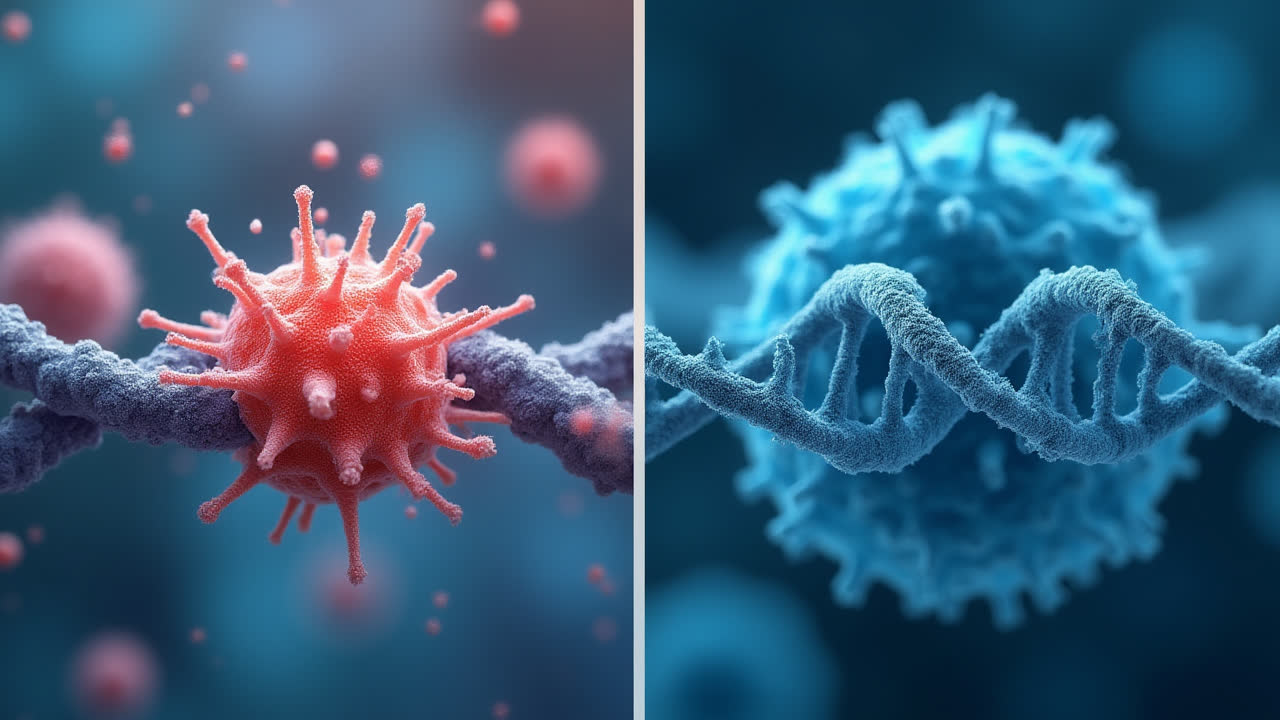
The main difference between Taq polymerase and DNA polymerase lies in their temperature stability. Taq polymerase is the heat-resistant champion, while DNA polymerase is your everyday, temperature-sensitive enzyme that keeps your cells running smoothly. But there's so much more to this story, and I promise it's not as dry as it sounds!
What Exactly is DNA Polymerase?
DNA polymerase is like the master builder in your cells – it's constantly at work copying DNA and fixing mistakes. Every time your cells divide, this enzyme springs into action, carefully reading the DNA template and adding nucleotides one by one. It's a bit like having a really precise photocopier, except this one works at the molecular level.
In humans, we've got several types of DNA polymerases, each with their own special job. Some focus on replication, while others patrol for errors and fix them. It's like having different types of workers on a construction site – some lay the foundation, others handle the finishing touches. What's really fascinating is that these enzymes can't just start from scratch; they need a little "starter" piece called a primer.
Speaking from a molecular perspective, these enzymes only work in one direction – from 5' to 3'. It's a bit like reading a book that can only be read left to right, no matter what. This might sound limiting, but it's actually quite clever from an evolutionary standpoint.
Why Taq Polymerase is a Game-Changer
Now, here's where things get really interesting. Taq polymerase, named after the heat-loving bacterium Thermus aquaticus, is basically the superhero of the enzyme world. This tiny organism lives in hot springs where temperatures can reach boiling point. Can you imagine working in an office that hot? These bacteria thrive there!
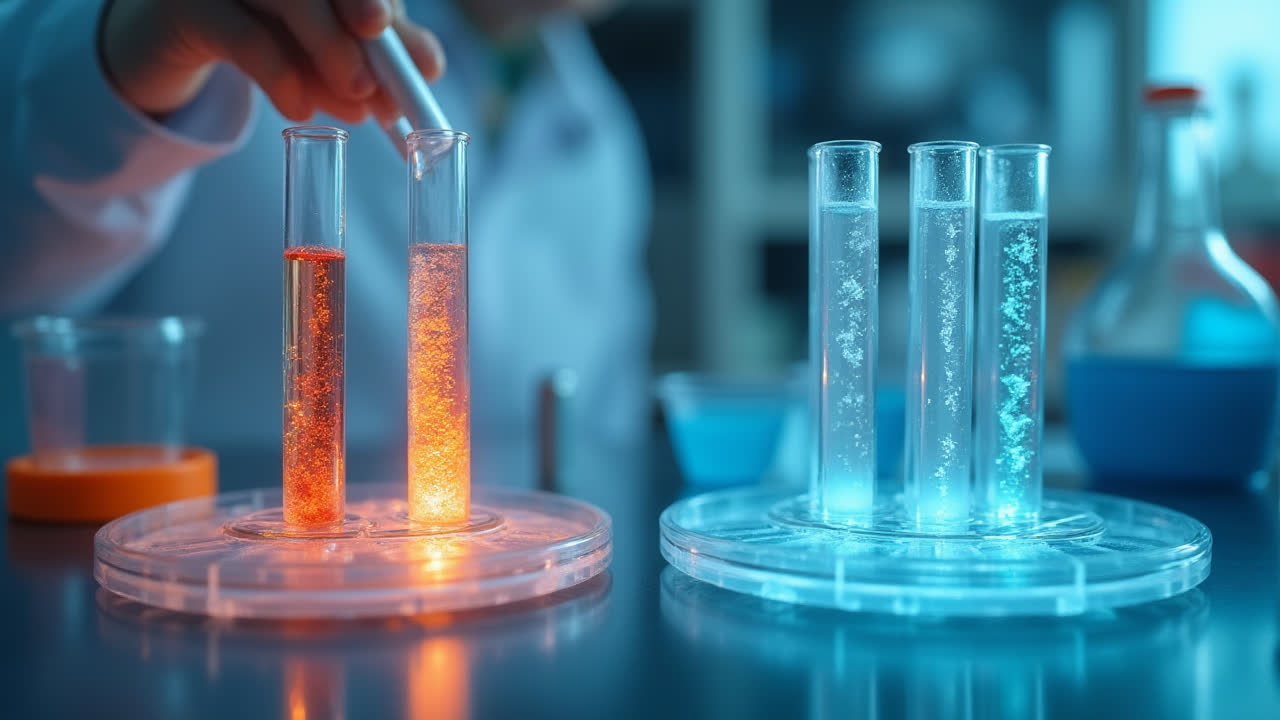
What makes Taq special is its incredible heat tolerance. While regular DNA polymerase would basically fall apart at the temperatures used in PCR (around 95°C), Taq just keeps on going. It's like comparing a regular ice cube to a heat-resistant ceramic tile – both serve their purpose, but only one can handle extreme conditions.
I've seen students get confused about this, thinking Taq is just "better" than regular DNA polymerase. But it's not about better or worse – it's about the right tool for the right job. You wouldn't use a sledgehammer to hang a picture frame, right?
| Feature | Taq Polymerase | DNA Polymerase |
|---|---|---|
| Optimal Temperature | 72°C | 37°C |
| Heat Stability | Remains active at 95°C | Denatures at high temperatures |
| Source | Thermus aquaticus bacteria | Various prokaryotic cells |
| Primary Application | PCR amplification | DNA replication in living cells |
| Speed | 2-4 kilobases per minute | ~15-20 nucleotides per second |
| Environmental Adaptation | Thermophilic (heat-loving) | Mesophilic (moderate temperature) |
| Function | DNA synthesis in laboratory settings | DNA synthesis in cellular environments |
| Proofreading Ability | Variable (some versions have it) | Usually present (depends on type) |
The Revolutionary Impact on PCR Technology
You know what's really cool? Before Taq polymerase came along, scientists had to manually add new DNA polymerase after each heating cycle in PCR. Talk about tedious! It was like having to refill your car with fuel every mile you drove. The discovery of Taq polymerase automated this entire process, making PCR the powerful tool it is today.
This breakthrough didn't just save time – it revolutionized molecular biology. Suddenly, researchers could amplify tiny amounts of DNA into quantities large enough to study. We're talking about taking a single DNA molecule and making millions of copies. It's like having a really efficient photocopier that can copy a single page millions of times without losing quality.
The impact has been enormous. From forensic science to medical diagnostics, from archaeology to paternity testing – Taq polymerase made it all possible. Who would have thought that a simple enzyme from a hot spring bacterium would become such a cornerstone of modern biology?
How These Enzymes Actually Work
Picture this: DNA polymerase is like a construction worker building a brick wall. They need a foundation (the primer) and then carefully place each brick (nucleotide) in exactly the right spot. The worker reads the blueprint (template DNA) and makes sure everything matches perfectly. It's a methodical, careful process that happens at body temperature.
Now, imagine transferring that same worker to build walls inside a furnace! That's essentially what we're asking of DNA polymerase in PCR conditions. It just can't survive those temperatures. But Taq polymerase? It's like a specialized construction worker who can build walls inside a volcano. The heat doesn't bother it at all.
One thing I find particularly interesting is how both enzymes maintain fidelity. They both double-check their work, though some versions of Taq are more error-prone than others. It's a bit like having editors with different levels of attention to detail.
Practical Applications in Modern Science
Let's talk about where these enzymes shine in the real world. DNA polymerase is the unsung hero working tirelessly in every living cell. Every time you heal from a cut, grow taller, or even just think a thought, DNA polymerase is there, making sure your genetic information gets copied correctly.
Meanwhile, Taq polymerase has become the star of the laboratory world. It's the enzyme behind COVID-19 testing, genetic fingerprinting, and countless research projects. Without it, we wouldn't have the rapid genetic analysis capabilities we rely on today.
Here's something that might surprise you: while Taq is incredible for PCR, it's not perfect for every application. Some procedures require higher fidelity (fewer errors), which has led to the development of specialized versions and alternatives. Science is always evolving, and these enzymes are no exception.
Frequently Asked Questions
Can Taq polymerase be used inside living cells?
No, Taq polymerase cannot be used inside living cells because its optimal temperature is 72°C, which would literally cook the cell. It's specifically designed for laboratory conditions, particularly PCR reactions that require high temperatures. Inside cells, we rely on specialized DNA polymerases that work at body temperature.
Why can't regular DNA polymerase be used in PCR?
Regular DNA polymerase denatures (breaks down) at the high temperatures (95°C) needed to separate DNA strands in PCR. Since PCR involves repeated heating cycles, you'd need to add fresh enzyme after each cycle, making the process extremely inefficient and expensive. Taq polymerase's heat stability solves this problem completely.
Are there other heat-stable polymerases besides Taq?
Yes, several other thermostable polymerases exist, including Pfu, Pwo, and Vent polymerases. These alternatives are derived from different thermophilic organisms and often offer benefits like higher fidelity (fewer errors) or better specificity. Many modern PCR applications use modified versions of Taq or these alternative enzymes, depending on specific requirements.
The Future of Polymerase Technology
As we look toward the future, scientists are constantly improving these enzymes. Engineers are developing hybrid polymerases that combine the best features of different types – high fidelity with heat stability, improved speed with better accuracy. It's like upgrading from a basic smartphone to the latest model with all the bells and whistles.
The field of synthetic biology is particularly exciting. Who knows? Maybe someday we'll have polymerases that can work at room temperature but with the efficiency of Taq, or enzymes that can handle even more challenging conditions. The possibilities are endless, and honestly, that's what makes science so exciting!
In wrapping up, understanding the differences between these two crucial enzymes isn't just academic – it's fundamental to grasping how modern biology and biotechnology work. Next time you hear about a breakthrough in genetic research or medical testing, remember the tiny enzymes making it all possible!