Upper vs Lower Motor Neurons: Key Differences Explained
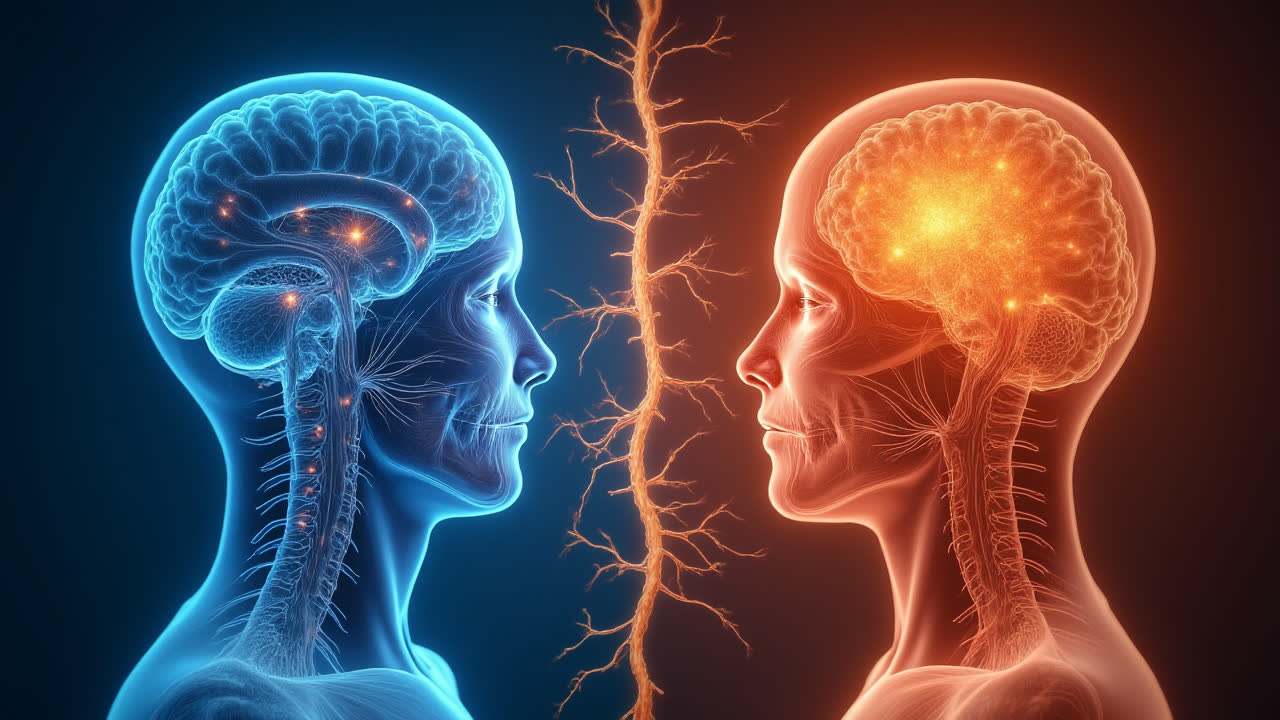
The human nervous system is an incredibly complex network that controls everything from our thoughts to our movements. At the heart of our ability to move our muscles voluntarily lies two critical components: upper motor neurons and lower motor neurons. While they work together seamlessly when healthy, these two types of neurons have distinct characteristics, functions, and locations within our nervous system. Understanding their differences isn't just academic—it has real implications for diagnosing and treating neurological conditions.
Have you ever wondered why some neurological conditions cause spasticity while others lead to flaccid paralysis? The answer lies in whether the upper or lower motor neurons are affected. In this comprehensive guide, I'll break down the key differences between these two essential neural components and explain why they matter for your understanding of the human body.
What Are Upper Motor Neurons?
Upper motor neurons (UMNs) originate in the motor region of the cerebral cortex or the brainstem. Their primary function is to transmit nerve impulses from the brain to the lower motor neurons through various pathways. Interestingly, UMNs don't directly connect to muscles—they form synapses with lower motor neurons instead, acting as the first step in the command chain for voluntary movement.
The cell bodies of upper motor neurons are relatively large and are housed in the brain cortex. When I first learned about the nervous system, I was fascinated by how these neurons manage to send signals across such long distances in the body. They accomplish this through special pathways or tracts that serve as the neural highways for motion commands. There are six main pathways through which UMNs transmit signals:
- Corticospinal tract
- Corticobulbar tract
- Colliculospinal tract
- Rubrospinal tract
- Vestibulospinal tract
- Reticulospinal tract
When upper motor neurons fire, they release glutamate, a neurotransmitter that activates the lower motor neurons. This transmission happens through specific receptors called glutamatergic receptors. Think of upper motor neurons as the generals in an army, sending orders but never directly engaging in the battle themselves.
What Are Lower Motor Neurons?
Lower motor neurons (LMNs) serve as the final common pathway from the central nervous system to muscles. Unlike their upper counterparts, LMNs directly connect to and activate muscles, causing them to contract. These neurons have their cell bodies located in the gray matter of the spinal cord or in the brainstem, positioning them closer to the muscles they control.
Lower motor neurons receive signals from multiple sources, including upper motor neurons and sensory feedback pathways. They integrate all this information before sending the final command to the muscle fibers. I've always thought of LMNs as the front-line soldiers who take the generals' orders and execute them directly.
There are two main types of lower motor neurons: alpha motor neurons and gamma motor neurons. Alpha motor neurons innervate extrafusal muscle fibers (the ones that generate force), while gamma motor neurons innervate intrafusal muscle fibers (involved in muscle length sensing). Lower motor neurons collectively form the cranial and spinal nerves that extend throughout the body.
When a lower motor neuron fires, it releases acetylcholine at the neuromuscular junction (the connection between the neuron and muscle fiber). This neurotransmitter triggers the contraction of the muscle. The directness of this connection is why damage to lower motor neurons leads to immediate and significant muscle weakness or paralysis.
Key Differences Between Upper and Lower Motor Neurons
While both upper and lower motor neurons contribute to voluntary movement, they differ significantly in multiple aspects. Let's examine these differences in detail to gain a clearer understanding of how our motor system operates:
| Characteristic | Upper Motor Neurons | Lower Motor Neurons |
|---|---|---|
| Definition | Motor neurons that originate from the motor region of the cerebral cortex or brainstem | Motor neurons that transmit nerve impulses from upper motor neurons to effector muscles |
| Location | Found in the cerebral cortex or brainstem | Found in the brainstem and spinal cord |
| Cell Body Size & Position | Larger cell bodies located in the brain cortex | Smaller cell bodies located in the gray matter of the spinal cord and brainstem |
| Transmission Pathway | Transmit signals from brain to lower motor neurons | Transmit signals from upper motor neurons to muscles |
| Form Synapses With | Lower motor neurons | Muscle fibers |
| Classification Basis | Classified based on pathway they travel in | Classified based on type of muscle fiber they innervate |
| Types | Six different pathways (tracts) | Cranial and spinal nerves |
| Neurotransmitter Used | Primarily glutamate | Primarily acetylcholine |
| Damage Symptoms | Increased muscle tone, spasticity, hyperactive deep reflexes | Decreased muscle tone, flaccid paralysis, muscle atrophy, fasciculations |
The Clinical Significance of Upper vs Lower Motor Neuron Lesions
The distinction between upper and lower motor neurons becomes particularly important in clinical settings. When a neurologist examines a patient with muscle weakness or movement disorders, determining whether the problem stems from upper or lower motor neuron damage is one of the first diagnostic steps. This differentiation guides both diagnosis and treatment approaches.
Upper motor neuron lesions (damage) produce a distinctive set of symptoms often referred to as "upper motor neuron syndrome." These include increased muscle tone leading to spasticity, hyperactive deep tendon reflexes, and the presence of pathological reflexes like the Babinski sign (when the big toe extends upward rather than downward when the sole of the foot is stimulated). Conditions like stroke, multiple sclerosis, and spinal cord injury commonly cause upper motor neuron damage.
I once observed a patient with an upper motor neuron lesion from a stroke. Despite his attempts to relax his arm, the muscles remained tight and resistant to passive movement—a classic sign of the increased muscle tone characteristic of UMN damage. His reflexes were also notably brisk, with minimal tapping of the tendon producing an exaggerated response.
In contrast, lower motor neuron lesions result in decreased muscle tone (flaccidity), reduced or absent reflexes, and muscle atrophy that develops relatively quickly. You might also observe fasciculations—small, visible muscle twitches under the skin. Conditions like amyotrophic lateral sclerosis (ALS), polio, Guillain-Barré syndrome, and peripheral nerve injuries typically involve lower motor neuron damage.
The treatment approaches differ significantly based on whether upper or lower motor neurons are affected. For instance, spasticity from upper motor neuron damage might be treated with muscle relaxants like baclofen or botulinum toxin injections, while lower motor neuron problems might require approaches focused on preventing muscle atrophy and maintaining joint mobility.
Similarities Between Upper and Lower Motor Neurons
While we've focused on the differences, it's worth highlighting that upper and lower motor neurons do share some important characteristics. Both are integral parts of the somatic nervous system, the portion of the peripheral nervous system responsible for voluntary movement. Neither functions in isolation—they form a connected system that allows for the precise control of skeletal muscles.
Both upper and lower motor neurons are involved in the complex process of voluntary muscle movement. Whether you're typing on a keyboard, throwing a ball, or walking down the street, both classes of neurons must work together to execute the movement properly. This collaborative effort allows for the incredible range and precision of human movement.
Additionally, both types of neurons can be affected by similar disease processes. Neurodegenerative conditions like amyotrophic lateral sclerosis (ALS) can affect both upper and lower motor neurons, though typically to different degrees and sometimes at different stages of the disease. This is why ALS patients may show mixed symptoms of both upper and lower motor neuron damage.
Both neuron types also rely on the same basic principles of neuronal function—they generate action potentials (electrical signals) and release neurotransmitters to communicate with other cells. The fundamental cellular machinery is similar, even if the specific neurotransmitters and the cells they communicate with differ.
Understanding Motor Neuron Pathways
To truly appreciate the difference between upper and lower motor neurons, it helps to visualize the complete pathway of a voluntary movement. When you decide to move your hand, the process begins in the motor cortex of your brain, where upper motor neurons fire and send signals down through the brainstem and spinal cord.
These signals travel through one of the six pathways mentioned earlier, with the corticospinal tract being the most important for fine, precise movements of the hands and fingers. The signals eventually reach the lower motor neurons in the anterior horn of the spinal cord. From there, the lower motor neurons extend their axons through peripheral nerves to reach the target muscles.
This two-neuron system creates what neurologists call the "final common pathway" for movement—regardless of where the movement command originates or what feedback influences it, the signal must ultimately pass through the lower motor neuron to reach the muscle. This arrangement allows for both direct cortical control of movement and integration of reflexive and autonomic influences.
I find it remarkable that despite this complex, multi-step process, most of our movements feel instant and effortless. The neural circuitry processes signals with such speed and efficiency that we're rarely aware of the incredible coordination happening beneath the surface.
Frequently Asked Questions
How can doctors determine if a patient has upper or lower motor neuron damage?
Doctors use a combination of physical examination findings and diagnostic tests to determine whether a patient has upper or lower motor neuron damage. Physical examination typically reveals distinctive patterns: upper motor neuron damage usually presents with increased muscle tone (spasticity), hyperactive reflexes, and positive Babinski sign, while lower motor neuron damage shows decreased muscle tone, reduced or absent reflexes, fasciculations, and more rapid muscle atrophy. Diagnostic tests such as EMG (electromyography) and nerve conduction studies can help distinguish between the two by measuring electrical activity in muscles and nerves. MRI scans of the brain and spinal cord may also reveal lesions affecting upper motor neurons, while imaging of peripheral nerves can identify lower motor neuron issues.
Can a disease affect both upper and lower motor neurons simultaneously?
Yes, some neurological conditions can affect both upper and lower motor neurons simultaneously or at different stages of the disease. The most notable example is Amyotrophic Lateral Sclerosis (ALS), also known as Lou Gehrig's disease. In ALS, both upper and lower motor neurons degenerate progressively, leading to a mixed clinical picture with features of both types of damage. Patients may experience spasticity and hyperreflexia (upper motor neuron signs) alongside muscle wasting, fasciculations, and weakness (lower motor neuron signs). Other conditions that can affect both include certain viruses like polio, some forms of multiple sclerosis, and certain metabolic disorders. The mixed presentation often makes these conditions particularly challenging to diagnose and treat.
What are the most common causes of damage to upper and lower motor neurons?
Upper motor neurons are commonly damaged by conditions affecting the brain or spinal cord, including stroke (the most common cause), traumatic brain or spinal cord injury, multiple sclerosis, brain or spinal tumors, and neurodegenerative diseases like primary lateral sclerosis. Lower motor neurons, meanwhile, are typically affected by conditions involving the peripheral nervous system or the anterior horn cells in the spinal cord. Common causes include peripheral nerve injuries, diabetic neuropathy, Guillain-Barré syndrome, polio, spinal muscular atrophy, and toxin exposure. Some conditions, like ALS, can affect both types of motor neurons. The location and extent of the damage, along with whether it affects upper or lower motor neurons, significantly influences the resulting symptoms, prognosis, and treatment options.
Conclusion
The distinction between upper and lower motor neurons represents one of the fundamental organizing principles in neurology. Though they work together seamlessly in healthy individuals, understanding their differences is crucial for diagnosing and treating neurological conditions that affect movement.
Upper motor neurons, originating in the brain and extending to the spinal cord, serve as the command center for voluntary movement. Lower motor neurons, extending from the spinal cord to the muscles, serve as the final executors of these commands. This two-neuron system allows for the remarkable precision and versatility of human movement.
The next time you perform a simple movement like reaching for a cup, take a moment to appreciate the complex neural circuitry at work. From the initial firing of neurons in your motor cortex to the final contraction of muscle fibers in your arm and hand, your upper and lower motor neurons are working in perfect harmony to translate your intentions into action. It's just one of the many marvels of the human nervous system that we often take for granted.
Whether you're a student studying neuroscience, a healthcare professional, or simply someone interested in how your body works, I hope this explanation has helped clarify the important differences between upper and lower motor neurons and why they matter.