What Is Kolkata Famous For? 12 Cultural Treasures of the City of Joy
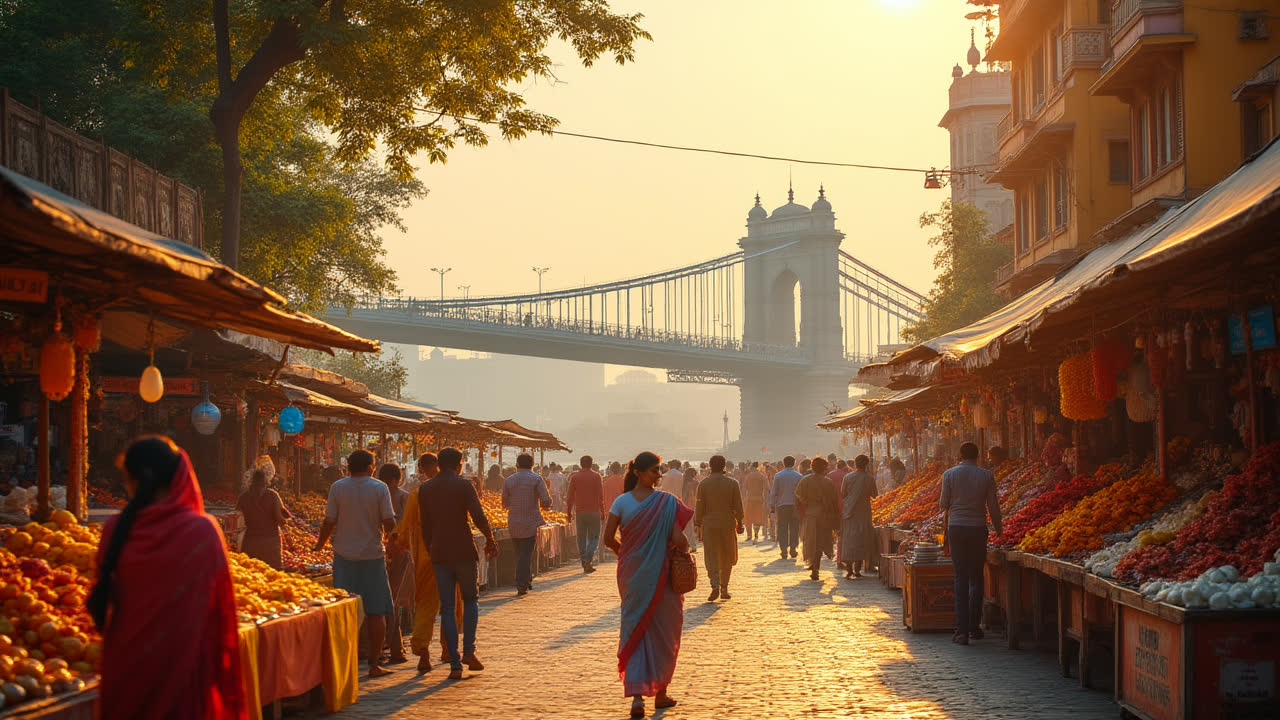
Kolkata: A Cultural Powerhouse of India
Once known as Calcutta, Kolkata serves as the capital of West Bengal state in eastern India. With a population exceeding 15 million people, it stands as one of India's largest urban centers. The city's fascinating blend of colonial architecture, intellectual heritage, and artistic spirit has earned it the title of India's cultural capital.
I've always found Kolkata's streets to pulse with an energy that's hard to describe. The chaotic yet beautiful symphony of honking cars, street vendors calling out their wares, and the animated conversations of locals creates an atmosphere that's uniquely Kolkatan. Walking through College Street or Park Street in the evening, you can't help but feel immersed in the city's soul.
What makes Kolkata truly special is how it balances tradition and modernity. Ancient temples stand alongside gleaming shopping malls, and age-old cultural practices continue alongside contemporary art movements. This juxtaposition gives the city its distinctive character and explains why it continues to fascinate visitors from around the world.
Kolkata's Pioneering Transportation Systems
Kolkata's transportation history reveals its pioneering spirit. It was the first Indian city to introduce a metro rail system for mass transit, revolutionizing urban commuting in India. This achievement demonstrates Kolkata's innovative approach to urban planning and infrastructure development.
The city's transportation landscape once featured unique elements like manual rickshaw pullers—men who physically pulled passengers in wheeled carriages. Though this practice has been phased out, it represents a distinctive chapter in Kolkata's urban history. These human-pulled rickshaws surprised even British colonizers with their efficiency in navigating the city's narrow lanes.
Perhaps most iconic are Kolkata's charming trams, which have traversed the city streets for generations. As one of the few remaining tram networks in India, these vintage vehicles offer both practical transportation and a nostalgic glimpse into the past. Whenever I ride these trams, I'm struck by how they seem to move at their own unhurried pace, almost as if resisting the rush of modern life.
The combination of ultramodern metro trains alongside heritage trams perfectly symbolizes Kolkata's ability to embrace progress while honoring tradition. This balance permeates every aspect of the city's identity and contributes significantly to its unique charm.
Nobel Laureates and Artistic Giants
When discussing what Kolkata is famous for, its intellectual and artistic heritage deserves special attention. The city has produced an astonishing number of India's Nobel Prize winners, including literary titan Rabindranath Tagore, economist Amartya Sen, physicist C.V. Raman, and humanitarian Mother Teresa. This concentration of exceptional talent speaks volumes about Kolkata's intellectual environment.
Beyond Nobel laureates, Kolkata has gifted India with spiritual leaders like Swami Vivekananda and social reformers like Raja Ram Mohan Roy. The city's artistic legacy includes legendary filmmaker Satyajit Ray, whose poetic cinema brought Bengali culture to global audiences. Musical geniuses like Kishore Kumar and R.D. Burman similarly transformed Indian entertainment with their innovative compositions.
What fascinates me is how deeply art and intellectualism are woven into everyday Kolkata life. Coffee house debates on philosophy and politics, impromptu poetry recitations in parks, and animated discussions about cinema are common occurrences rather than special events. This pervasive cultural engagement creates an atmosphere where artistic expression feels as natural as breathing.
The city continues to nurture new generations of artists, writers, and thinkers who draw inspiration from its rich cultural soil while adding their contemporary voices to Kolkata's ongoing creative conversation.
Durga Puja: Kolkata's Magnificent Festival
No exploration of what Kolkata is famous for would be complete without mentioning Durga Puja, the spectacular nine-day festival that transforms the entire city into an open-air art gallery. This celebration honoring Goddess Durga transcends religious boundaries to become a cultural phenomenon embraced by people of all backgrounds.
During Durga Puja, thousands of elaborate "pandals" (temporary structures) spring up across neighborhoods, each housing magnificent idols of the goddess. These pandals often recreate famous architectural wonders or explore contemporary themes through stunning artistic innovation. The competition for creating the most extraordinary pandal drives incredible creativity, with some installations featuring moving parts, light shows, and immersive environments.
What makes Durga Puja in Kolkata unique is its community-based organization. Neighborhood committees spend months planning their pandals, pooling resources and talents to create something spectacular. The result is a city-wide celebration where art, devotion, and community spirit blend seamlessly. I've spent countless evenings during Durga Puja wandering from one pandal to another, marveling at the creativity on display and enjoying the festive energy that permeates every corner of the city.
The festival culminates in emotional processions where the idols are immersed in the Hooghly River, symbolizing the goddess's return to her divine abode. This bittersweet farewell captures the essence of life's impermanence while promising renewal in the coming year.
Howrah Bridge: An Iconic Symbol
Standing majestically over the Hooghly River, the Howrah Bridge serves as Kolkata's most recognizable landmark. Officially renamed Rabindra Setu after the great poet Rabindranath Tagore, locals and visitors alike continue to call it by its original name, reflecting how deeply it's embedded in the city's identity.
This massive cantilever bridge isn't just architecturally impressive—it's a vital lifeline connecting Kolkata with Howrah station, one of India's busiest railway terminals. Every day, more than 100,000 vehicles and countless pedestrians cross this engineering marvel, making it one of the world's busiest bridges.
What's remarkable about Howrah Bridge is how it transcends its utilitarian purpose to become a cultural icon. It appears in countless Bengali films, poems, and songs, symbolizing Kolkata's strength and resilience. The bridge's silhouette against the sunset creates one of the city's most photographed views, capturing the imagination of artists and tourists alike.
I've often found myself lingering on the bridge at dusk, watching boats glide beneath its imposing structure while feeling connected to generations of Kolkatans who have shared this same experience. In those moments, the bridge feels less like infrastructure and more like a living monument to the city's enduring spirit.
Culinary Delights: Kolkata's Famous Sweets
Kolkata's culinary reputation rests significantly on its exquisite sweets, particularly the world-famous rasgulla and sandesh. These delectable treats have traveled far beyond Bengal to become nationally beloved desserts, instantly recognizable as symbols of Bengali cuisine.
Rasgulla consists of spongy cheese balls soaked in sugar syrup, creating a juicy sweetness that explodes in your mouth. In contrast, sandesh offers a more subtle pleasure—a firm milk-based sweet that gradually melts on the tongue, often flavored with cardamom, saffron, or pistachios. Both sweets showcase the sophisticated techniques of Bengali confectionery.
What many people don't realize is that sweet-making in Kolkata is considered an art form passed down through generations. Master confectioners guard their secret techniques and recipes, creating distinctive variations that loyal customers can identify blindfolded. During special occasions, these sweet shops transform into bustling social hubs where people gather to purchase elaborate sweet platters for celebrations.
Beyond rasgulla and sandesh, Kolkata offers a dizzying array of other sweet specialties—from creamy mishti doi (sweet yogurt) to syrupy jalebi. Each sweet shop seems to have its signature creation, making culinary exploration a delightful adventure for visitors. Frankly, I've never managed to visit Kolkata without gaining a few pounds from my sweet explorations!
Comparison: Old Kolkata vs. Modern Kolkata
| Aspect | Old Kolkata (Pre-2000) | Modern Kolkata (Post-2000) |
|---|---|---|
| Transportation | Hand-pulled rickshaws, trams, limited metro | Expanded metro system, app-based taxis, no hand-pulled rickshaws |
| Architecture | Colonial buildings, traditional Bengali houses | Mix of heritage structures and modern high-rises |
| Cultural Scene | Traditional theater, classical music dominance | Fusion of traditional arts with contemporary expressions |
| Food Culture | Traditional Bengali cuisine, modest eateries | International cuisines, trendy cafes alongside traditional restaurants |
| Durga Puja | Neighborhood-focused celebrations, traditional themes | Grand productions, innovative themes, corporate sponsorships |
| Economic Focus | Government jobs, traditional industries | IT sector growth, startup culture emerging |
| Lifestyle Pace | Relaxed, afternoon siestas common | Faster-paced, more cosmopolitan lifestyle |
| Shopping Experience | Local markets, family-owned shops | Shopping malls alongside traditional markets |
Artistic Crafts: Terracotta and Textiles
Kolkata's artistic heritage extends to its remarkable crafts, particularly terracotta products and handloom textiles. The city serves as both a production center and marketplace for these traditional art forms, connecting rural artisans with urban consumers.
Terracotta crafts from Kolkata, especially the iconic Bankura horses and elephants, represent Bengali folk art at its finest. These clay sculptures, characterized by their earthy red hue and minimalist design, have become popular decorative items across India. The simplicity of these pieces belies the incredible skill required to create them—each figure is hand-shaped and kiln-fired using techniques passed down through generations.
Equally renowned are Kolkata's exquisite handloom textiles, particularly the cotton and silk saris. Taant saris, with their lightweight cotton weave, and Dhaka silk saris, featuring intricate patterns, exemplify the sophistication of Bengali textile arts. What makes these textiles special is their perfect balance of practicality and beauty—they're comfortable for daily wear yet elegant enough for special occasions.
Wandering through Kolkata's craft markets like Dakshinapan or Gariahat, you'll discover artisans who treat their work not just as a livelihood but as a cultural mission. Many are working to preserve traditional techniques while adapting them for contemporary tastes. Their dedication ensures that Kolkata's artistic heritage continues to thrive in the modern era.
Colonial Heritage: Victoria Memorial and Beyond
Kolkata's years as the capital of British India left an indelible mark on its landscape, with magnificent colonial structures that now serve as important historical landmarks. The majestic Victoria Memorial stands as the crown jewel of this architectural legacy—a stunning white marble edifice surrounded by meticulously maintained gardens.
Beyond the Victoria Memorial, Kolkata boasts other significant colonial-era buildings like the Writers' Building (the former British administrative headquarters) and St. Paul's Cathedral. These structures represent not just architectural accomplishment but also complex historical narratives about colonialism, resistance, and national identity.
What's fascinating about Kolkata's relationship with its colonial past is how the city has reclaimed these spaces while acknowledging their historical significance. The Victoria Memorial now houses art galleries and historical exhibits that tell India's story from Indian perspectives. Meanwhile, the Writers' Building has been repurposed for Indian governmental functions, symbolically turning a colonial administrative center into a tool of independent governance.
Strolling through the Maidan (the large urban park near Victoria Memorial) or down Chowringhee Road offers glimpses of both colonial grandeur and postcolonial transformation. These spaces tell stories of Kolkata's multifaceted history and its evolving identity as a city that honors its past while continually reimagining its future.
Frequently Asked Questions About Kolkata
What is the best time to visit Kolkata?
The ideal time to visit Kolkata is during the winter months from October to February when the weather is pleasant with temperatures ranging between 15°C to 25°C (59°F to 77°F). This period also coincides with the famous Durga Puja festival (usually in October), which transforms the city into a spectacular cultural showcase. Summer months (March to June) can be extremely hot and humid, while the monsoon season (July to September) brings heavy rainfall that sometimes disrupts transportation.
Why is Kolkata called the City of Joy?
Kolkata earned the nickname "City of Joy" after Dominique Lapierre's 1985 novel of the same name, which portrayed the indomitable spirit of Kolkatans living in challenging conditions. Despite economic hardships, the city's residents demonstrate remarkable resilience, warmth, and enthusiasm for life, especially during festivals and cultural celebrations. The title reflects Kolkata's vibrant community bonds, intellectual vitality, and the residents' ability to find happiness and meaning despite difficulties—qualities that visitors often find deeply moving.
What are must-visit places in Kolkata for first-time visitors?
First-time visitors to Kolkata should prioritize the Victoria Memorial for its stunning architecture and historical exhibits, Howrah Bridge for iconic views (especially at sunset), and the riverside Dakshineswar Kali Temple for spiritual heritage. Cultural experiences should include College Street (Asia's largest book market), Park Street for dining and nightlife, and the Indian Museum (India's oldest and largest museum). For authentic local experiences, visit Kumartuli (potter's quarter) to see artisans crafting Durga idols, sample Bengali sweets at legendary shops like K.C. Das or Balaram Mullick, and take an early morning stroll through the vibrant flower market at Mallick Ghat.
Conclusion: The Enduring Appeal of Kolkata
What is Kolkata famous for? As we've explored, the city's fame rests on multiple pillars—its cultural contributions, architectural landmarks, culinary treasures, artistic heritage, and above all, its distinctive spirit. From Howrah Bridge to rasgulla, from Durga Puja to Rabindranath Tagore, Kolkata offers a multifaceted identity that continues to captivate visitors and inspire devotion from residents.
The city's charm lies in its contradictions—it's intellectually sophisticated yet emotionally expressive, deeply traditional yet constantly evolving, physically chaotic yet spiritually profound. These paradoxes create a urban experience unlike any other in India or perhaps the world.
Whether you're drawn to Kolkata for its cultural festivals, historical landmarks, literary heritage, or simply to experience the warmth of its people, the City of Joy offers endless discoveries. Each visit reveals new layers of this complex metropolis, making it a destination that rewards repeated exploration and deep engagement.
As Kolkata continues to navigate the challenges of modernization while preserving its unique character, it remains a living testament to the power of cultural identity and community spirit. The city's ability to maintain its distinctive soul amid rapid change offers valuable lessons for urban centers worldwide and ensures that Kolkata will continue to fascinate visitors for generations to come.


Related Posts